



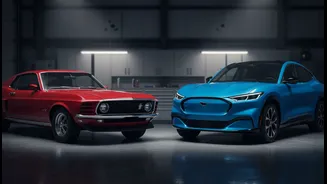



Mustang Models: Wiper and Drivetrain Issues
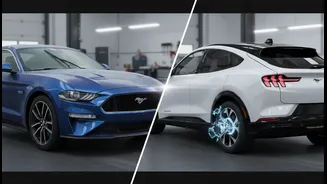
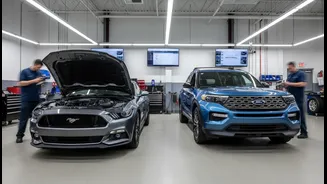
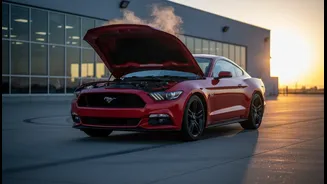
The first set of recalls targets the iconic Ford Mustang. One action involves nearly 68,000 Mustang and Mustang GTD vehicles from model years 2024-2026 for a windshield wiper and washer system malfunction that can occur in cold weather, potentially reducing
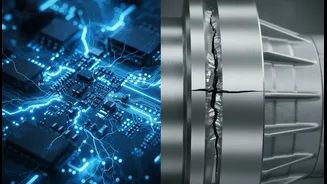
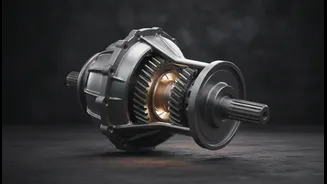
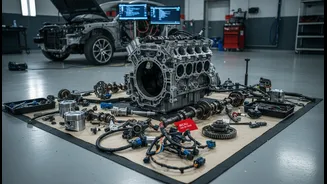
visibility. A separate recall affects over 42,000 Mustang Mach-E electric SUVs from 2021-2023. This issue concerns a rear differential pinion shaft that may fracture, leading to a sudden loss of drive power or causing the vehicle to move while in park if the handbrake isn't engaged, increasing crash risks. Ford has stated it is not aware of any accidents or injuries related to the Mach-E issue.
Explorer Hybrids: Pedestrian Alert Failure
Another significant recall covers more than 66,000 Lincoln Nautilus and Ford Explorer Hybrids from recent model years (2025-2027 for the Explorer). The problem is a software error that can prevent the vehicle from making the required pedestrian warning sounds when moving at low speeds in electric mode. Interestingly, this campaign includes vehicles that were part of a previous recall for the same issue, suggesting the initial fix was not completely effective. Engineers are still investigating the root cause of the recurring software problem.
A Broader Trend of Safety Actions
These July 2026 announcements are part of a larger pattern for the automaker. In late June, Ford also recalled over 741,000 trucks and SUVs, including previous Explorer models, for a transmission issue that could lead to a rollaway risk. That single action was one of the largest in a year that has seen the company recall well over 1.7 million vehicles in the U.S. alone. While these numbers may seem high, they also reflect a proactive approach to addressing potential safety defects as vehicle technology becomes more complex. Many recent recalls across the industry, not just for Ford, are related to software glitches that can be fixed with an update.
What This Means for Owners in India
While the specific recalls mentioned are primarily for the North American market, they serve as a critical reminder for vehicle owners in India. The underlying issues—software glitches, component failures, and supply chain defects—are global challenges for all automakers. Ford India has a history of voluntary recalls for models like the Figo, Aspire, Freestyle, and Endeavour for issues ranging from battery wiring to airbag inflators and emissions compliance. The key takeaway for Indian drivers is the importance of staying informed. Automakers in India are required to fix safety-related defects free of charge for the life of the vehicle, regardless of how many times it has been sold.
How to Check for Recalls on Your Vehicle
It is a good practice to periodically check if your car is subject to a recall. Most manufacturers, including Ford, have dedicated sections on their Indian websites where you can enter your Vehicle Identification Number (VIN) to check for any open campaigns. The VIN is a unique 17-digit code found on your vehicle's registration certificate (RC) and also typically on a plate on the dashboard or driver-side door jamb. If a recall notice applies to your car, you should contact your nearest authorized service centre to schedule the free repair. Ignoring a safety recall can not only be dangerous but may also affect your insurance claims and the vehicle's resale value.