



The Allure of the DIY Promise
The trend towards homemade sunscreen taps into a growing desire for 'clean' and transparent beauty. For those with oily or acne-prone skin, the appeal is even stronger. Many commercial sunscreens can feel heavy or greasy, leading to clogged pores and breakouts.
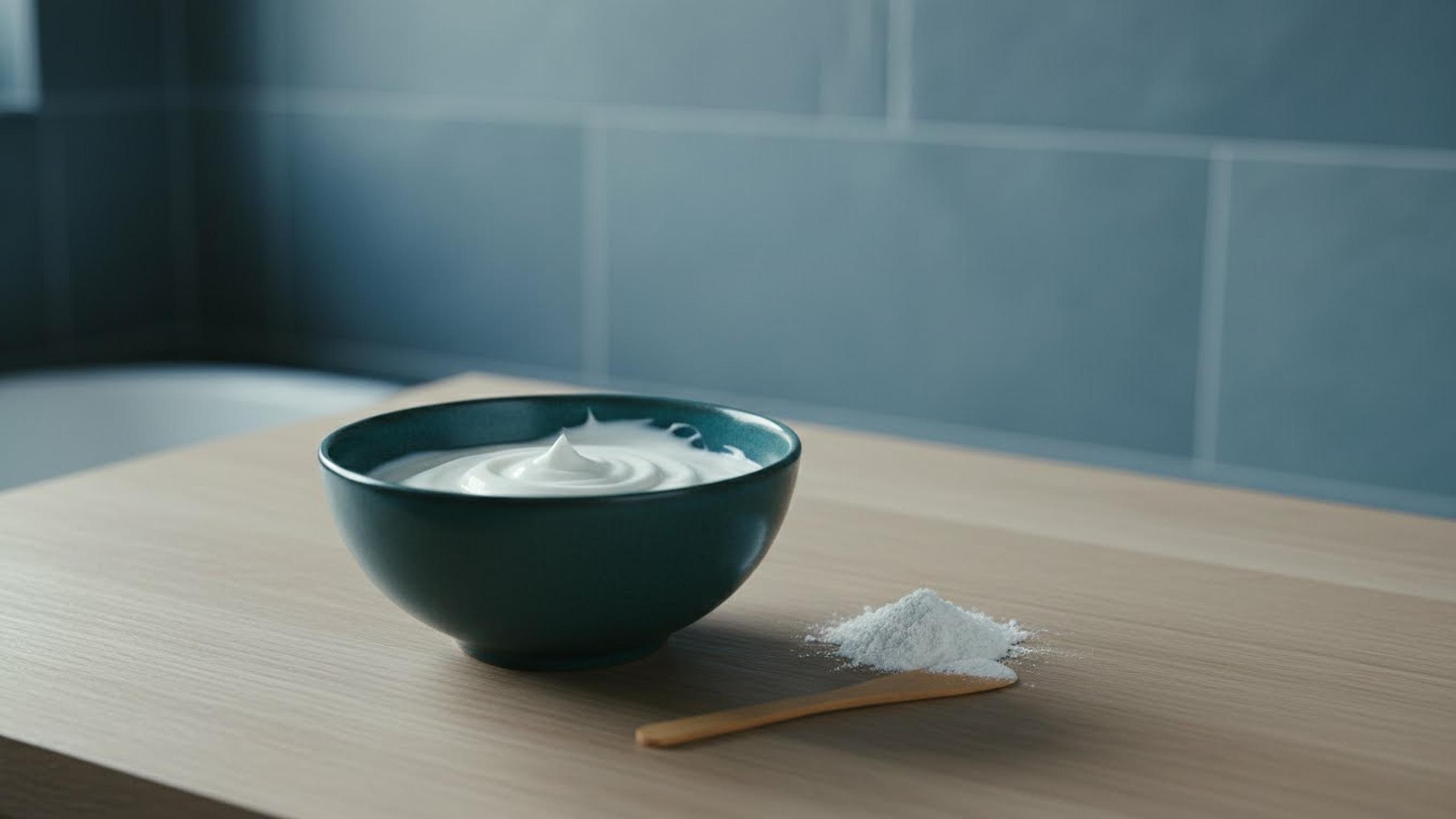
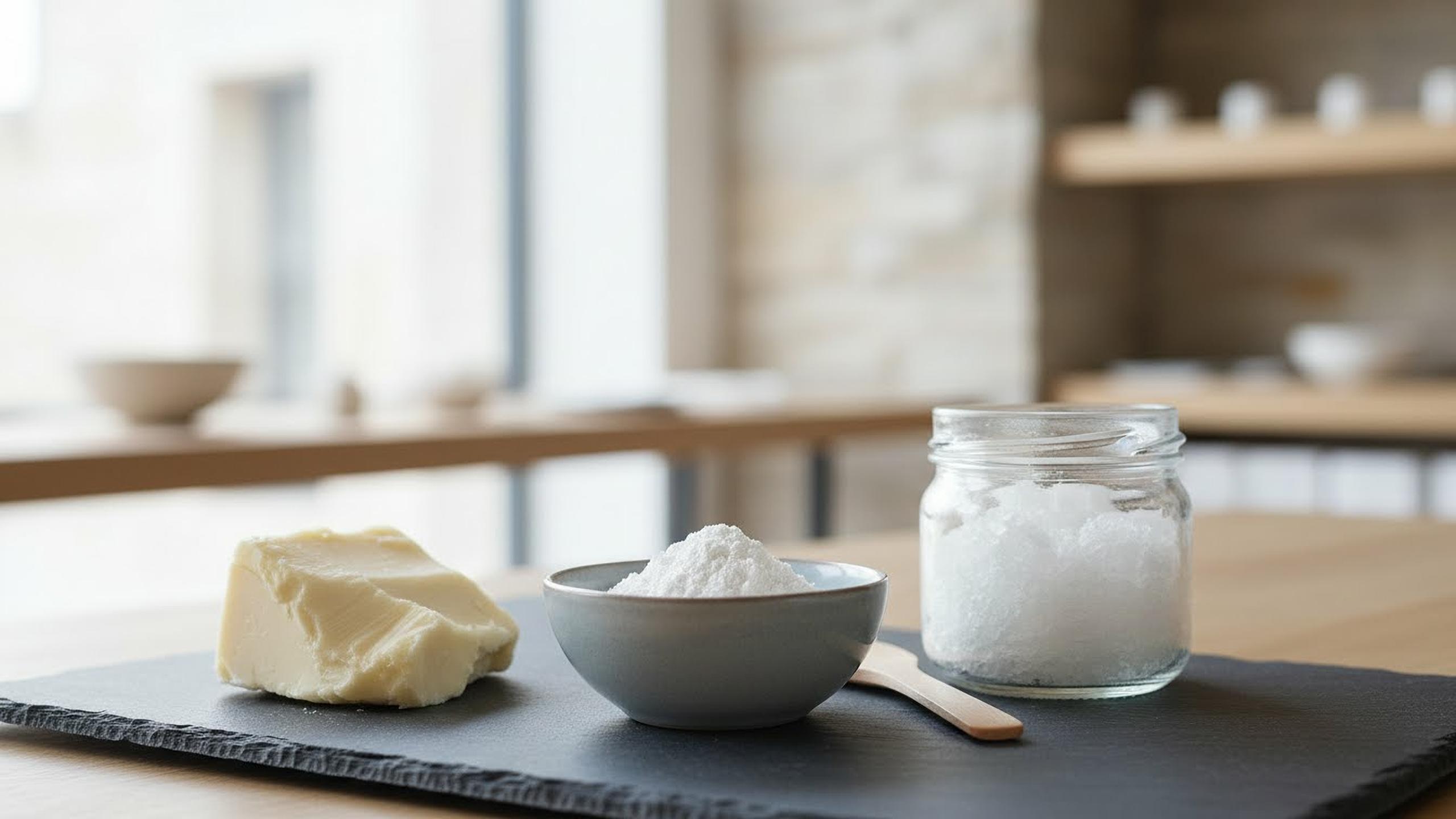
The idea of creating a custom blend with minimal, natural ingredients that you control is incredibly attractive. Recipes often feature a simple base of coconut oil, shea butter, and the star ingredient: zinc oxide powder. Proponents claim these recipes not only protect from the sun but also nourish the skin, a compelling narrative for anyone frustrated with the trial-and-error process of finding the right store-bought product.
Zinc Oxide: A Hero Ingredient?
Zinc oxide itself is a well-regarded ingredient in skincare, and for good reason. As a mineral or physical sunscreen, it creates a barrier on the skin that reflects and scatters harmful UVA and UVB rays. Dermatologists often recommend it for sensitive and acne-prone skin because it's non-comedogenic (won't clog pores) and has anti-inflammatory properties that can help soothe irritation and redness. For oily skin types, it also has mild astringent and oil-controlling properties that can help reduce shine. It's the ingredient's solid reputation that gives these DIY recipes a veneer of credibility. If the main active is dermatologist-approved, the whole recipe must be safe, right?
The Expert Verdict: A Risky Recipe
Unfortunately, the expert consensus is a resounding 'no'. The American Academy of Dermatology and numerous skincare chemists warn that homemade sunscreen is not a safe or effective option. The core problem is formulation. Simply adding zinc oxide powder to a mixture of oils does not create a functional sunscreen. Commercial sunscreens are regulated products that undergo rigorous testing to ensure their safety, stability, and, most importantly, their Sun Protection Factor (SPF). This involves ensuring the zinc oxide particles are evenly distributed throughout the product to form a consistent protective film on the skin. Without specialized equipment, homemade versions will almost certainly have clumps and gaps, leaving parts of your skin completely exposed to UV radiation.
The Protection Problem You Can't See
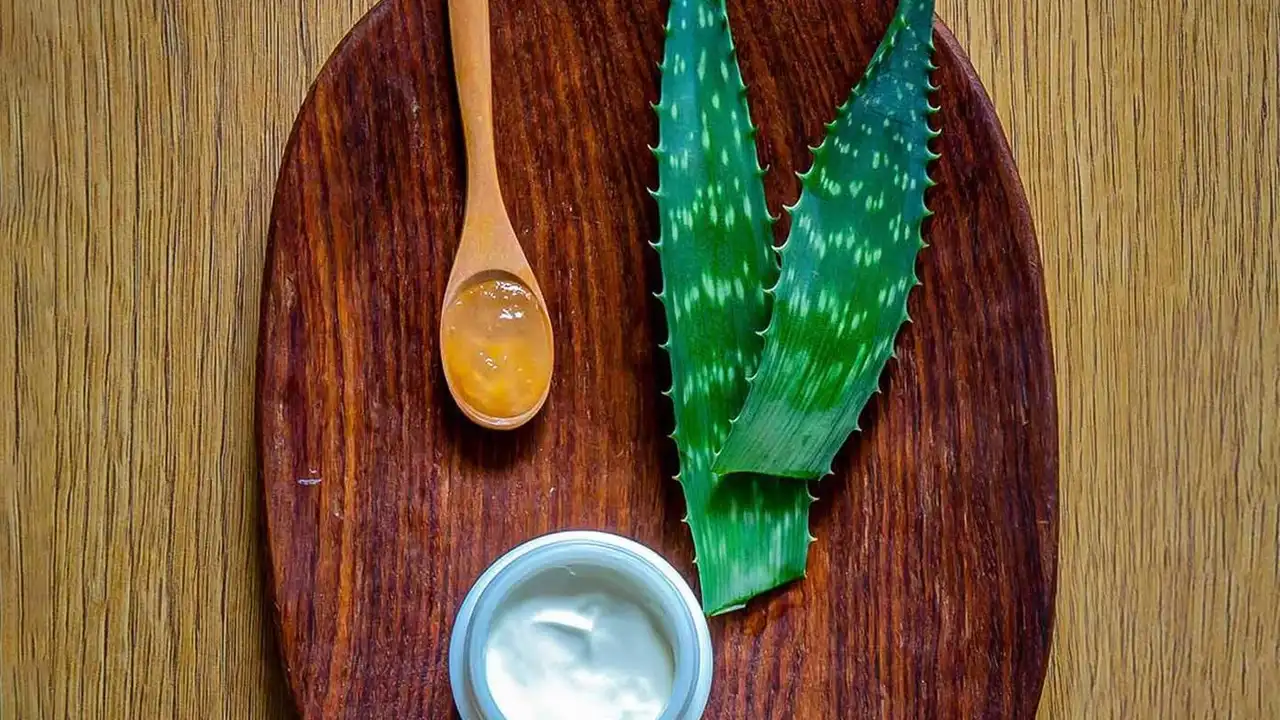
When you make sunscreen at home, you have no way of knowing its true SPF value. You can't be sure it provides broad-spectrum protection against both UVA (aging) and UVB (burning) rays. The stability of the product is also a major concern. Without proper preservatives, a DIY concoction, especially one containing water-based ingredients like aloe, can quickly become a breeding ground for bacteria and mold. This gives the user a false sense of security, which dermatologists argue is more dangerous than wearing no sunscreen at all. Believing you are protected might lead you to stay in the sun longer, increasing your risk of sunburn, premature aging, and skin cancer.
Better, Safer Options for Oily Skin
The good news is that the desire for a lightweight, non-greasy sunscreen has been heard by the beauty industry. There is a vast market of professionally formulated and tested mineral sunscreens created specifically for oily and acne-prone skin. Look for products labeled 'non-comedogenic,' 'oil-free,' and featuring zinc oxide as the active ingredient. These sunscreens are designed to provide the mattifying and anti-inflammatory benefits of zinc oxide without any of the risks of a DIY project. They are stable, provide guaranteed broad-spectrum SPF, and are safe to use daily, which is the most important factor in sun protection.