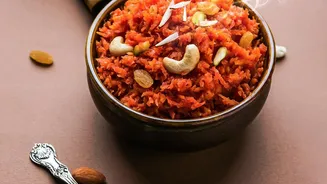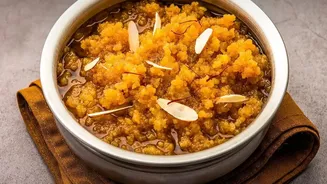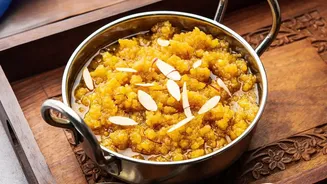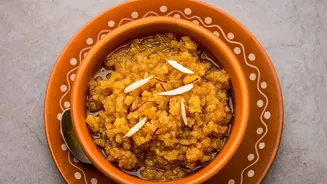





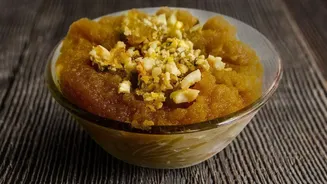
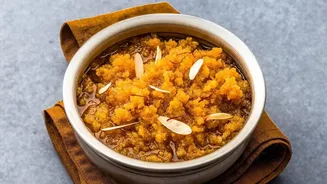
A Classic Comfort Dessert
Aloo Halwa, or potato halwa, is a classic sweet dish primarily enjoyed in North India. While using a vegetable for a dessert might sound unusual to some, it’s a treasured recipe, often prepared for religious fasts (vrat), like Navratri, as it provides
a delicious source of energy. Made from simple, staple ingredients — potatoes, ghee, sugar, and milk — its beauty lies in its rich, melt-in-your-mouth texture and comforting warmth. The transformation of the humble potato into this decadent sweet is a testament to the magic of Indian cooking techniques, where patience and process are just as important as the ingredients themselves.
The Right Ingredients for a Perfect Halwa
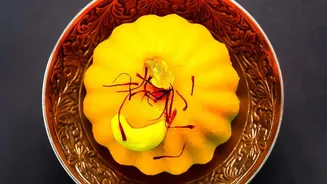
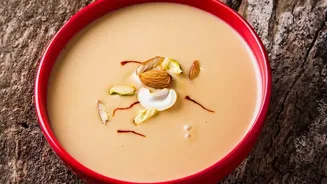
Before you begin, gathering the right components is key. You will need potatoes that are good for mashing, ensuring they cook to a fluffy, not watery, consistency. Ghee, or clarified butter, is non-negotiable for authentic flavour and aroma; it’s what gives the halwa its signature glossiness. Full-fat milk will provide the best richness and creamy texture. Sugar provides the sweetness, while flavourings like green cardamom powder and a few strands of saffron lend an aromatic elegance. Finally, a mix of chopped nuts like almonds, pistachios, and cashews, lightly toasted in ghee, will add a delightful crunch and finish to the dish.
Preparing the Potato Base
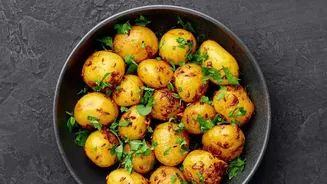
The foundation of a great halwa is a perfectly prepared potato base. Start by boiling the potatoes until they are completely soft. Once boiled, peel them while they are still warm and mash them thoroughly. It is crucial to ensure there are absolutely no lumps, as this will affect the final texture. Some chefs recommend passing the mashed potatoes through a sieve or grating the boiled potatoes to achieve an exceptionally smooth consistency. This step prevents the halwa from becoming gluey and ensures a uniform, velvety feel in every spoonful.
The Roasting Process: Building Flavour
This is where the first stage of flavour development happens. Heat a generous amount of ghee in a heavy-bottomed pan or kadai. Once the ghee is hot, add the mashed potatoes. Sauté the potatoes on a medium-low flame, stirring continuously. This step requires patience. Initially, the potato will absorb the ghee. You must continue to roast, breaking up the mash with your spoon, until the colour changes to a light golden brown and a rich, nutty aroma is released. After about 10-15 minutes, you will notice the potato mixture starting to release the ghee back, which is a sign that it is perfectly roasted and ready for the next step.
The Key Step: Thickening with Milk
Here lies the secret to the halwa's signature texture. Once the potatoes are well-roasted, it's time to introduce the milk. Pour the milk into the pan and stir continuously to integrate it with the potatoes. Keep the flame on medium and continue to stir as the mixture comes to a boil. The potato base will slowly absorb the milk, and the entire mixture will begin to thicken. This process of cooking the milk down into the potato is what creates that dense, rich, and creamy consistency. You must keep stirring to prevent it from sticking to the bottom of the pan. Cook until all the milk has been absorbed and the halwa starts to pull away from the sides of the pan.
Finishing with Sweetness and Aromatics
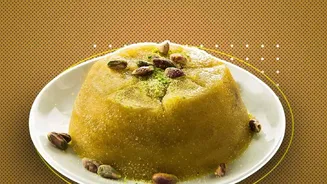
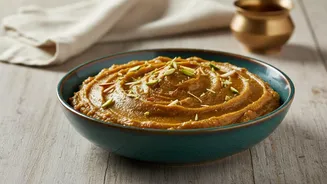
Once the halwa has reached a thick, unified consistency, it's time to add the sugar. Continue to stir on a medium flame. The sugar will melt and make the mixture a bit loose initially, but keep cooking. As you stir, the halwa will thicken again and start to get glossy. Cook until the ghee begins to separate from the sides of the halwa once more. This is the final sign that your halwa is perfectly cooked. Finally, turn off the heat and stir in the cardamom powder and your choice of roasted nuts, reserving some for garnish. Mix everything well, and your delicious Aloo Halwa is ready.