








The Heart of the Matter: A Tale of Two Spices
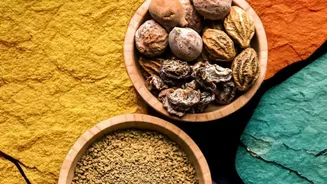
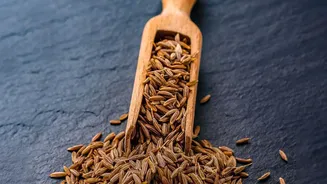
A bitter conflict has erupted over two of India's most essential kitchen staples: cumin (jeera) and fennel (saunf). The controversy began when the 'Unjha Jeera' and 'Unjha Fennel' from Gujarat were awarded the coveted Geographical Indication (GI) tag
by the Government of India. While this was celebrated in Gujarat as a major win for its agricultural identity, it sparked immediate and fierce resistance from farming communities across the border in Rajasthan. These farmers and agricultural groups argue that the GI status unfairly gives credit to Gujarat for spices that are, in reality, overwhelmingly grown on Rajasthani soil.
Grown in Rajasthan, Sold in Unjha
To understand the conflict, one must distinguish between cultivation and commerce. The Unjha market, located in Gujarat's Mehsana district, is Asia's largest regulated market for seed spices. It is a massive trading and processing hub that sets prices and is renowned throughout India. However, a very large portion of the cumin and fennel that arrives at the Unjha APMC (Agricultural Produce Market Committee) is not grown in Gujarat. It is cultivated by thousands of farmers in the arid regions of western Rajasthan, in districts like Barmer, Jalore, Nagaur, and Jodhpur. Due to better infrastructure, pricing, and established trade networks in Unjha, these farmers have for decades transported their harvest hundreds of kilometres to sell it there.
Why the 'Unjha' GI Tag is a Problem
A GI tag is meant to protect products whose unique qualities and reputation are tied to their geographical origin—where they are grown. Rajasthan's farmers argue that the GI tag was granted to the Unjha APMC based on its reputation as a trading centre, not a primary cultivation zone. Their deepest fear is that this legal status will be weaponized by traders. They believe traders at the Unjha market could use the 'Unjha Jeera' brand to label their own processed spices as premium while dismissing produce from Rajasthan as inferior or uncertified, thereby driving down the prices offered to the farmers who grew the crops.
The Economic Stakes and Loss of Identity
The core of the issue is the potential for significant economic loss and the erosion of regional identity. If all cumin and fennel passing through the hub is simply branded as 'Unjha' produce, Rajasthan's farmers lose the ability to build their own brand based on the specific quality of their crops. Their produce's distinct identity could gradually diminish, making it harder to command premium prices independently. Farmer groups, like a cooperative of 400 women in Barmer, have already demonstrated the ability to get better prices by selling directly to processors. They fear the GI tag will force them back into dependency on the Unjha market, where they may face lower rates. This dispute complicates any future efforts by Rajasthan to secure its own GI tag for its unique cumin and fennel varieties.
A Push for Revocation
In response, farming bodies and agricultural science centres from Rajasthan have formally objected. The Jodhpur-based South Asia Biotechnology Centre has submitted a detailed objection to the GI Registry in Chennai, seeking a review and revocation of the tags. They argue that granting a GI tag to a market rather than a place of cultivation undermines the very purpose of the GI system. Meanwhile, the chairman of the Unjha APMC has defended the GI tags, stating that the region is a pioneer in jeera cultivation and that the tag will enhance the product's global reputation, ultimately benefiting farmers and traders. The conflict now serves as a crucial test case for how India's intellectual property framework handles agricultural goods that are grown in one state but gain commercial identity in another.