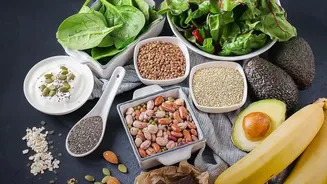








Beyond the Hype: A Realistic Approach
The constant barrage of nutritional advice often creates more stress than health. One moment, a food is a superfood; the next, it's blacklisted. This headline offers a refreshing alternative: focus on incorporating a few key food groups into your diet
without the pressure of medical perfection. This philosophy isn't about restriction or chasing unproven cures; it's about building a foundation of practical, wholesome meals that are both enjoyable and sustainable. The goal is to nourish your body with foods that have long been recognised for their benefits, making healthy eating an achievable part of your daily routine, not a source of anxiety. It's a shift from 'what can't I eat?' to 'what delicious things can I add to my plate?' This positive, addition-focused mindset can make all the difference in building habits that last.
Your Pantry's Unsung Hero: Beans
Often overlooked, beans and other legumes are nutritional powerhouses that are both affordable and versatile. They are packed with plant-based protein, complex carbohydrates, and, most importantly, dietary fibre. This combination helps you feel full longer, provides steady energy, and supports good digestive health. But their biggest advantage is convenience. Keeping canned beans like kidney, black, or chickpeas in your pantry means you're minutes away from a healthier meal. Rinsing canned beans can help remove excess sodium. You can toss them into salads, stir them into soups and chilis, or mash them into burgers and wraps for a satisfying, nutrient-dense boost. They don't require complex preparation and can easily be integrated into dishes you already enjoy.
More Than a Breakfast Bowl: Yoghurt's Versatility
Yoghurt is much more than just a quick breakfast. Many varieties contain probiotics, which are beneficial live bacteria that support a healthy gut. A healthy gut microbiome is linked to better digestion and a stronger immune system. Yoghurt is also an excellent source of protein, calcium, and essential vitamins like B12. To get the most benefit, opt for plain, unsweetened yoghurt that lists “live and active cultures” on the label. Its uses extend far beyond the breakfast table. Use plain yoghurt as a base for creamy salad dressings, as a healthier substitute for sour cream on tacos, or as a tenderising marinade for chicken. Its cooling properties make it a perfect complement to spicy Indian and Middle Eastern dishes, showcasing its global culinary reach.
Making Friends with Vegetables
We all know we should eat more vegetables, but it often feels like a chore. The key is to make it easy. Don’t dismiss the value of frozen and canned options; they are just as nutritious and can be a lifesaver on busy weeknights. Steaming a bag of frozen mixed vegetables takes mere minutes. Another strategy is 'sneaking' them into your favourite foods. Add a handful of spinach to your morning omelet or smoothie, toss pre-chopped bell peppers into pasta sauce, or mix finely chopped carrots and celery into casseroles and meat sauces. Roasting a large tray of vegetables at the beginning of the week gives you a ready-to-use ingredient for salads, grain bowls, and side dishes for several days. The goal is progress, not perfection.
The Simple Swap: Integrating Whole Grains
Whole grains are grains that contain all three parts of the kernel—the bran, germ, and endosperm—providing fibre, vitamins, and minerals that are stripped from refined grains. A diet rich in whole grains has been linked to a lower risk of heart disease and type 2 diabetes. Integrating them into your diet doesn’t require a complete overhaul. Start with simple swaps. Choose whole-wheat bread for your sandwiches, opt for brown rice instead of white with your stir-fries, and try oatmeal for breakfast. Because their fibre helps you feel fuller for longer, you may find that you are satisfied with smaller portions. These small changes add up, providing your body with more nutrients and helping to maintain steady blood sugar levels.