



Mark your calendars for India’s most vibrant cultural spectacle. The Hornbill Festival is set to return from December 1-10, 2026, at the Naga Heritage Village in Kisama, offering a dazzling window into the soul of Nagaland.
What is the 'Festival of Festivals'?
Often called the 'Festival of
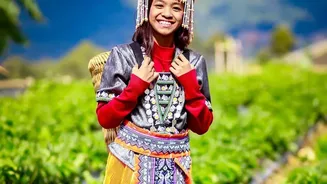
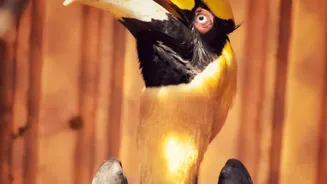
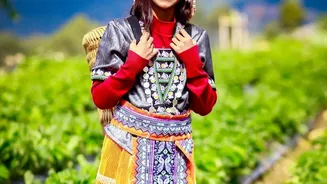
Festivals', the Hornbill Festival is an annual celebration that brings together all of Nagaland's major tribes for ten days of cultural immersion. Started in the year 2000 by the state government, its primary aim is to preserve and promote the rich, diverse cultural heritage of the Naga people and encourage inter-tribal interaction. The festival is named after the Indian Hornbill, a bird deeply respected and featured prominently in Naga folklore for its grandeur and alertness. For visitors, it's a unique opportunity to experience the distinct traditions, music, dances, and foods of over 16 tribes in a single location.
The Venue: Naga Heritage Village, Kisama
The festival's permanent home is the Naga Heritage Village at Kisama, located about 12 kilometres from the state capital, Kohima. This open-air museum is a living exhibit of Naga culture, featuring specially constructed Morungs, or traditional tribal huts, for each of Nagaland's tribes. The name 'Kisama' itself is a portmanteau of the names of two neighbouring villages, Kigwema and Phesama. During the festival, these Morungs become hubs of activity where visitors can interact with community members, witness rituals, and get a firsthand look at the indigenous architecture and lifestyle.
What to Expect: A Feast for the Senses
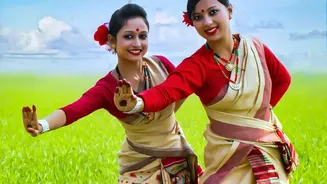
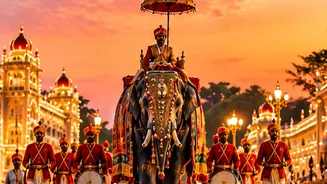
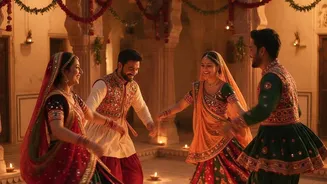
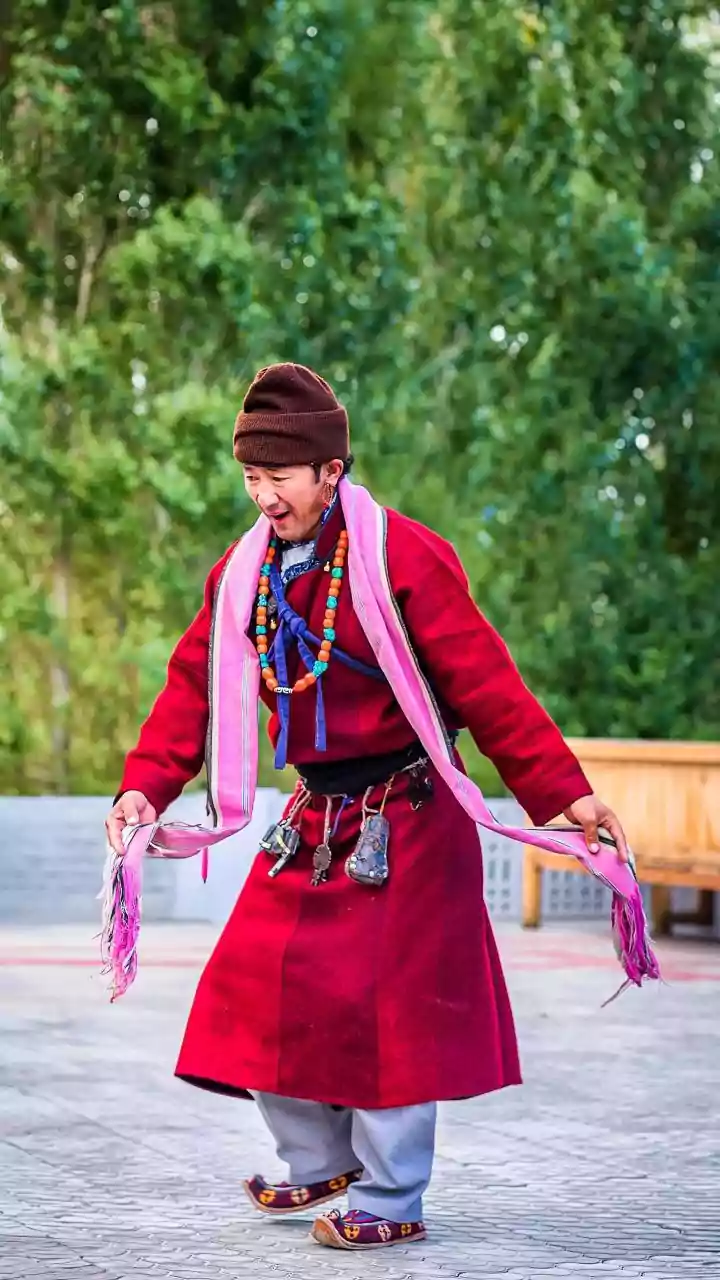
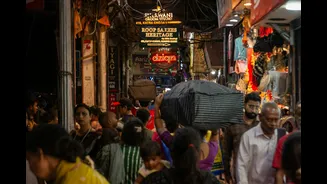
The Hornbill Festival is a nonstop cultural showcase. The main arena hosts a daily schedule of breathtaking performances, including energetic warrior dances, soulful folk songs, and dramatic enactments of traditional ceremonies. Beyond the stage, you can explore the Morungs, where you can sample authentic Naga cuisine, famous for its smoked meats, bamboo shoot delicacies, and the fiery Naga king chilli. Artisans display and sell intricate handicrafts, from colourful beaded jewellery and handwoven shawls to impressive wood carvings. In the evenings, the atmosphere shifts with events like the Hornbill Music Festival and the famous Kohima Night Bazaar, which fills the streets with food stalls and music.
Planning Your Trip: Travel and Accommodation
The most common way to reach the festival is to fly or take a train to Dimapur, which has the only airport and major railway station in Nagaland. From Dimapur, it's a 2–3 hour drive to Kohima, the nearest city to the festival grounds. Taxis, both private and shared, are readily available. Accommodation should be booked well in advance, as options fill up quickly. You can choose from hotels in Kohima or opt for a more immersive experience by staying in a homestay in nearby villages like Kigwema, which is within walking distance of the Kisama Heritage Village. Staying closer can also help you avoid the significant traffic that builds up between Kohima and Kisama during the festival.
Essential Permits for Your Visit
Indian citizens from outside Nagaland are required to obtain an Inner Line Permit (ILP) to enter the state. This can be done online through the official Nagaland ILP portal. The process requires a passport–sized photograph and a valid government–issued photo ID. The fee for a 30–day tourist ILP is ₹200 as of 2026. Foreign tourists (with the exception of citizens from a few specific countries) do not require a special permit but must register at the local Foreigner's Registration Office (FRO) upon arrival. It's crucial to have your permit ready, as it will be checked at entry points like the Dimapur airport, railway station, and road checkpoints.
Tips for a Memorable Experience
To make the most of your visit, plan to spend at least two to three full days at the festival. Arrive at the venue early (by 9 AM) to get a good seat for the main cultural performances. Dress in warm layers, as December evenings in the Naga hills can be quite cold. Carry enough cash, as ATM access can be limited and many stalls may not accept digital payments. Most importantly, engage with the local communities with respect. Always ask for permission before taking photographs of people. A walk through the Morungs in the afternoon, when the crowds are thinner, offers a wonderful opportunity for genuine interaction.