






Why Your Protein Choice Matters
The journey to building muscle is often paved with protein. Traditional advice has heavily favoured animal-based proteins like meat, eggs, and dairy. While effective for muscle synthesis, this approach comes with significant environmental costs. Livestock
farming is a major contributor to greenhouse gas emissions, requires vast amounts of land and water, and can lead to pollution from manure and fertiliser runoff. For instance, producing one kilogram of protein from beef requires substantially more land, water, and fuel compared to producing the same amount of protein from kidney beans. Choosing a sustainable path doesn't mean abandoning your fitness goals; it means being more thoughtful about where your nutrients come from. By shifting focus, you can support both your body and the planet.
The Core Principles of Muscle Growth
Before diving into sustainable food swaps, it's crucial to remember the fundamentals of building muscle. First, you need adequate protein to provide the amino acids that repair and build muscle tissue. Second, you must consume enough total calories; if you're in a calorie deficit, your body may burn protein for energy instead of using it for muscle growth. Finally, this nutritional strategy must be paired with consistent resistance training, which creates the stimulus for your muscles to adapt and grow. Studies have shown that with proper planning and adequate protein intake, plant-based diets can be just as effective as omnivorous diets for supporting muscle gain. The key is ensuring you meet your protein and calorie needs, regardless of the source.
Meet the Plant-Based Powerhouses
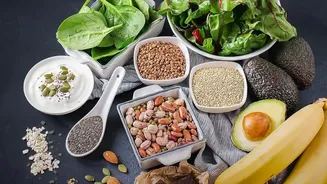
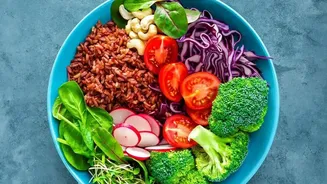
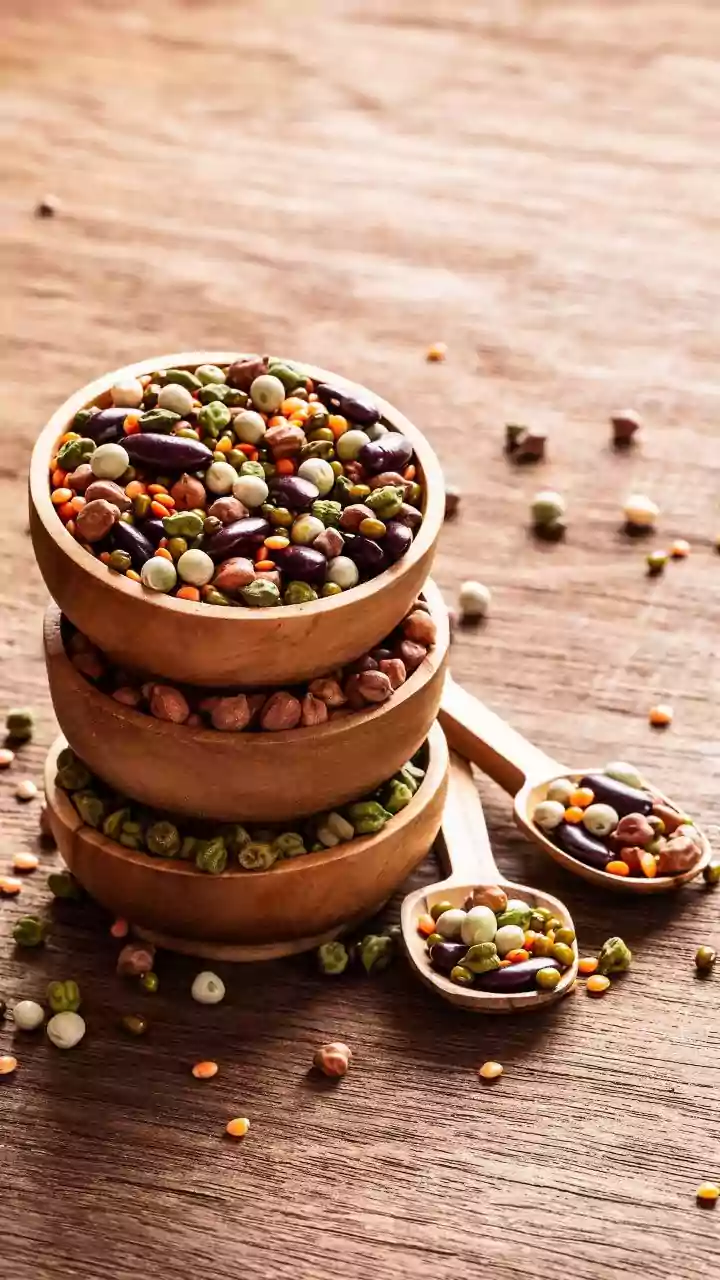
The plant kingdom offers a wealth of protein-rich foods that are perfect for fuelling muscle growth and are staples in many Indian kitchens. Lentils (dal) and chickpeas (chana) are exceptional sources, with a cooked cup providing around 18 grams and 15 grams of protein, respectively. They are also packed with fibre and complex carbohydrates for sustained energy. Soy products like tofu and tempeh are also brilliant choices. Tofu offers about 20 grams of protein per cup, while tempeh, a fermented soybean cake, provides even more. Quinoa stands out as it is one of the few plant foods considered a 'complete protein', meaning it contains all nine essential amino acids your body can't produce on its own. Other great options include nuts and seeds like peanuts, almonds, and chia seeds, which provide protein along with healthy fats.
Combining Foods for Complete Protein
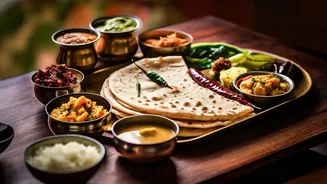
A common concern with plant-based diets is protein 'completeness.' While most animal proteins contain all nine essential amino acids, many plant proteins are low in one or more. However, this is easily solved by food combining. By pairing different plant foods, you can create a complete amino acid profile. Classic Indian meals often do this naturally. The combination of rice and dal, for example, is a perfect pairing. Grains like rice are typically low in the amino acid lysine, while legumes like lentils are rich in it. Together, they provide everything your body needs for muscle repair. Other effective combinations include whole wheat bread with peanut butter or hummus with pita bread. You don't even need to eat these foods in the same meal; consuming a variety of protein sources throughout the day is sufficient.
A Mindful Approach for Meat-Eaters
Adopting a sustainable approach doesn't require everyone to become fully vegan. For those who include animal products in their diet, small changes can make a big difference. One strategy is to reduce consumption of high-impact meats. For example, chicken production generates significantly fewer greenhouse gas emissions than beef or pork production. Simply swapping beef for chicken or fish a few times a week can lower your diet's carbon footprint. Eggs are another excellent choice, providing high-quality protein with a lower environmental impact than most meats. You can also practice a 'flexitarian' approach by incorporating more plant-based meals into your week. A simple start could be embracing 'Meatless Mondays' or ensuring one meal per day is entirely plant-based. This reduces your overall reliance on animal products while still enjoying them in moderation.