






The Heart of the Dish
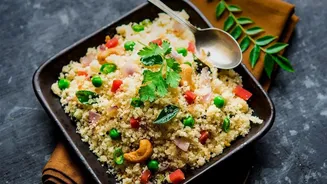
Known as 'Thengai Sadam' in Tamil Nadu, this dish is a celebration of simple, high-quality ingredients working in harmony. At its core, it's about perfectly cooked rice getting a luxurious treatment. The foundation is long-grain Basmati rice, prized for
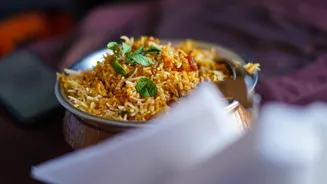
its aromatic qualities and its ability to cook into separate, fluffy grains. This is tossed with freshly grated coconut, which lends a subtle sweetness and a rich, moist texture. The final layers of flavour come from a 'tadka', or tempering, of spices bloomed in hot oil or ghee, along with the essential crunch of nuts and lentils. While it sounds complex, it's a dish that comes together surprisingly quickly, especially if you have leftover cooked rice ready to go.
Perfecting the Basmati
The key to a spectacular coconut rice is getting the base right: the Basmati itself. The goal is fluffy, distinct grains, not a mushy or sticky clump. To achieve this, always start by rinsing the rice in cool water several times until the water runs mostly clear. This removes excess surface starch that causes stickiness. For even fluffier and longer grains, you can soak the rinsed rice for about 20-30 minutes before cooking. When cooking, the ideal water-to-rice ratio for the absorption method is typically 1.5 cups of water for every 1 cup of rice. Cook the rice, then let it cool completely on a wide plate. Spreading it out prevents the grains from steaming further and sticking together, ensuring they remain separate when you mix in the other ingredients.
Building the Aromatic Base
The soul of many South Indian dishes lies in the tempering, and coconut rice is no exception. This process involves heating coconut oil or ghee in a pan and frying spices to release their essential oils. Start by adding mustard seeds and waiting for them to pop. Then, add lentils like urad dal (split black gram) and chana dal (Bengal gram), frying until they turn a lovely golden brown, which adds a nutty flavour and a delightful crunch. Next, add dried red chillies, fragrant curry leaves, and a pinch of asafoetida (hing). This is also the moment to fry your nuts. Cashews are a classic choice, but peanuts or even almonds work beautifully. Fry them until they are golden and aromatic, then you're ready for the star ingredient.
Bringing It All Together
Once the tempering is fragrant and the dals are golden, reduce the heat and add the freshly grated coconut. Sauté it gently for just a minute or two. You want to warm it through and lightly toast it to enhance its flavour, but be careful not to let it brown too much. Now, turn off the heat and add the cooled, cooked Basmati rice to the pan along with the required salt. Use a gentle hand to mix everything together, folding the rice into the coconut and spice mixture until every grain is evenly coated. Take care not to break the delicate Basmati grains. Some recipes also call for a garnish of fresh, chopped coriander to add a final burst of freshness before serving.
Serving and Pairing Suggestions
While this coconut rice is flavourful enough to be enjoyed on its own, it truly shines as part of a larger meal. It is the perfect, comforting counterpoint to spicy and bold dishes. Pair it with a simple potato roast, a vegetable kurma, or any number of South Indian curries. Its subtle sweetness also complements grilled fish or chicken wonderfully. For a simple, satisfying meal, serve it with just a side of plain yogurt and some crispy papadums or a simple cucumber salad. The cool, creamy yogurt balances the richness of the coconut and the warmth of the spices, creating a perfectly rounded and delicious dining experience.