




The Quest for a Desi Strawberry
India's strawberry industry has a significant vulnerability: its near-total reliance on imported planting materials from California, Florida, and Spain. Every year, farmers have to buy new saplings, which are expensive and not always perfectly suited
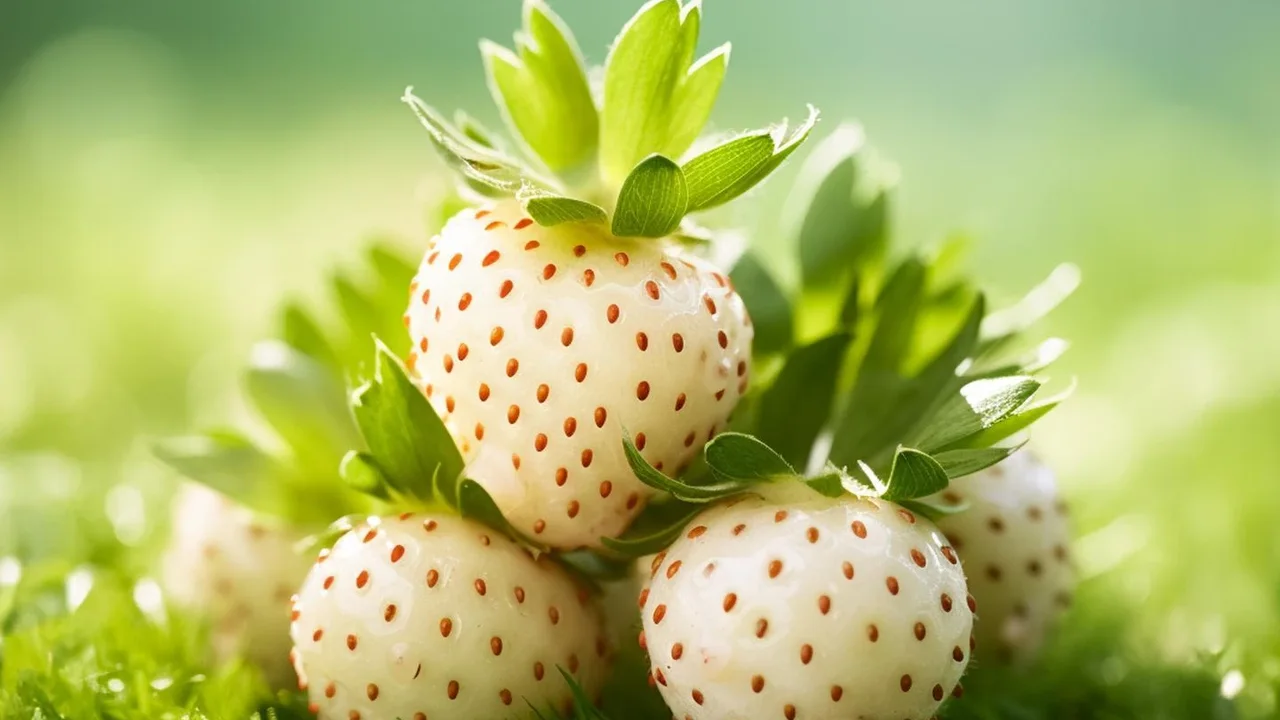
to local conditions. To achieve self-reliance, Indian researchers have embarked on an ambitious journey to create the country's first indigenous, climate-resilient strawberry variety. At the forefront is a project by Mahatma Phule Krishi Vidyapeeth and the Bhabha Atomic Research Centre, which aims to develop a homegrown cultivar that can withstand India's diverse and often harsh climates. The goal is to create a 'Made in India' strawberry that reduces costs for farmers and secures the domestic supply chain.
The Science of Breeding Patience
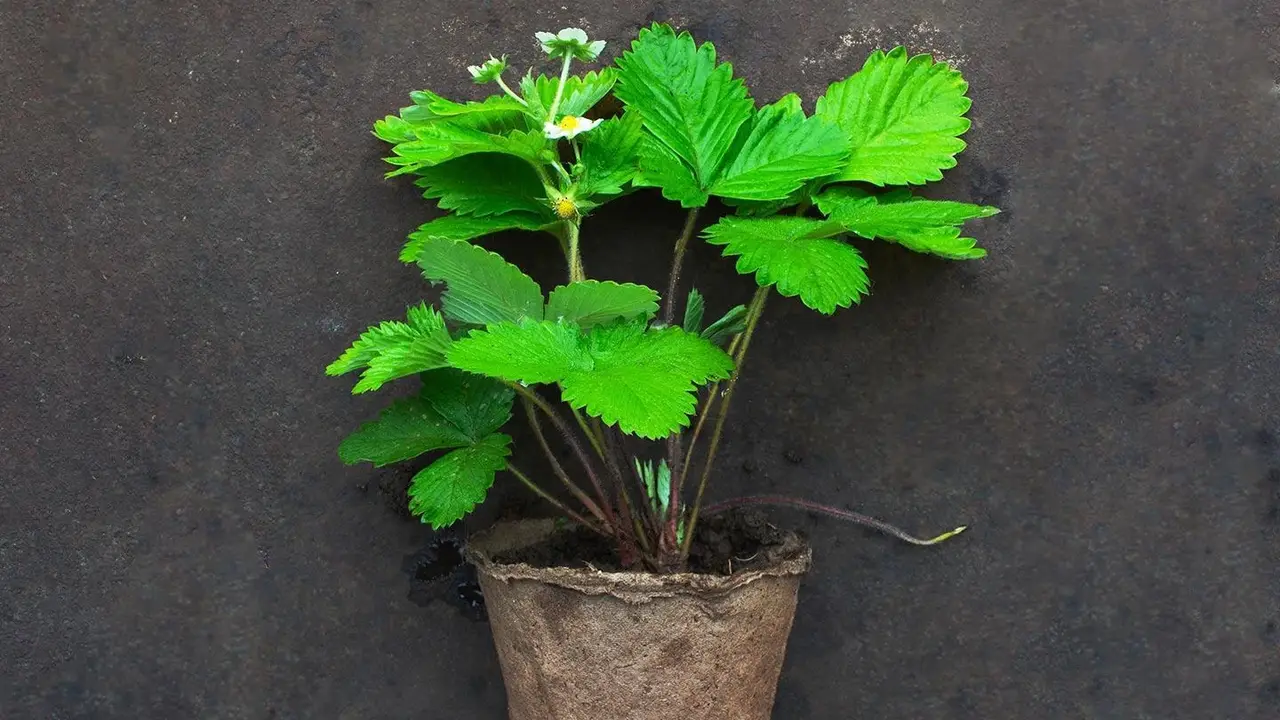
Developing a new strawberry variety is not a quick process; it’s a game of patience and precision. Scientists estimate that the timeline for creating India's indigenous strawberry could be as long as 10 to 15 years. The process begins with creating genetic variations. One advanced method being used involves controlled low-dose gamma irradiation to gently mutate the plants, encouraging new and potentially beneficial traits to emerge. Following this, researchers must painstakingly select plants that exhibit desirable characteristics—such as better flavour, higher yield, or improved resilience. These selections then undergo years of field trials in different agro-climatic zones to ensure they are stable, productive, and commercially viable before they can finally reach the farmers' fields.
Why Heat Tolerance is a Game Changer
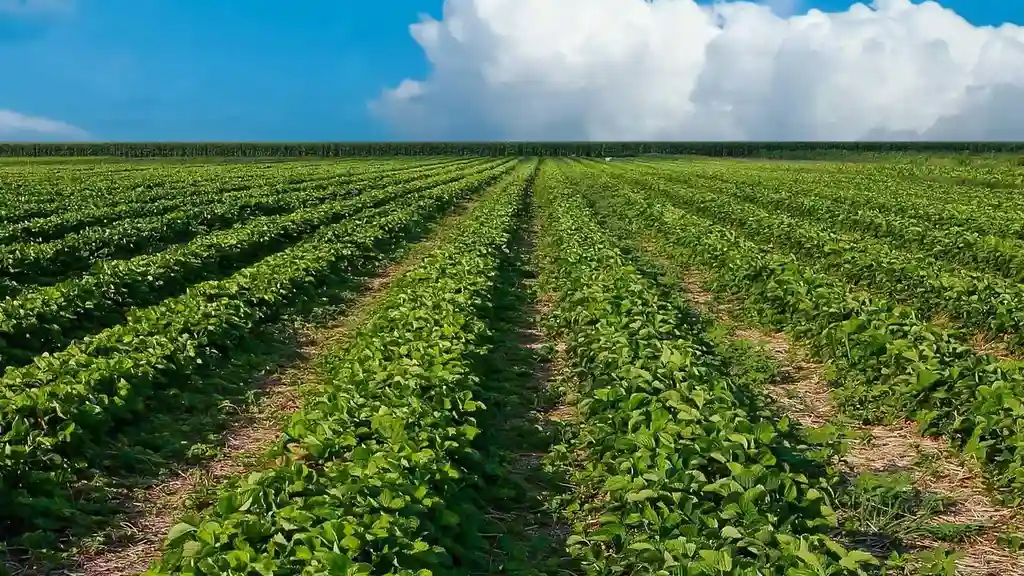
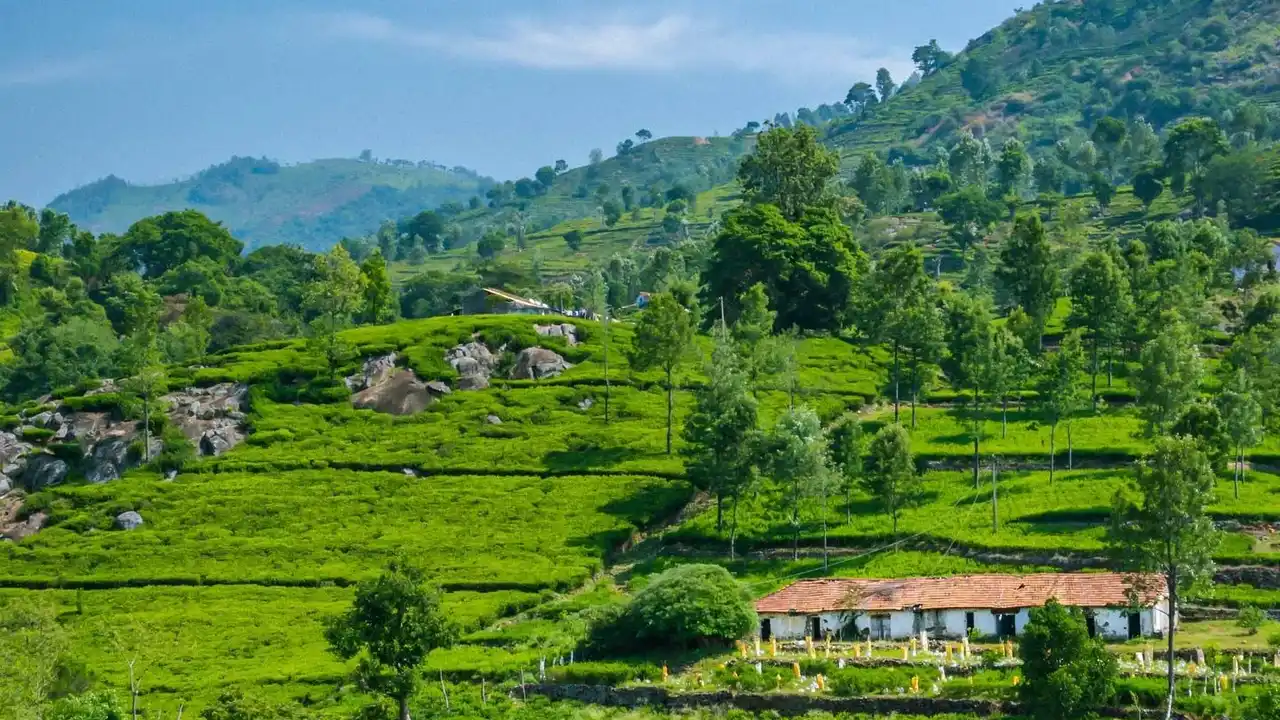
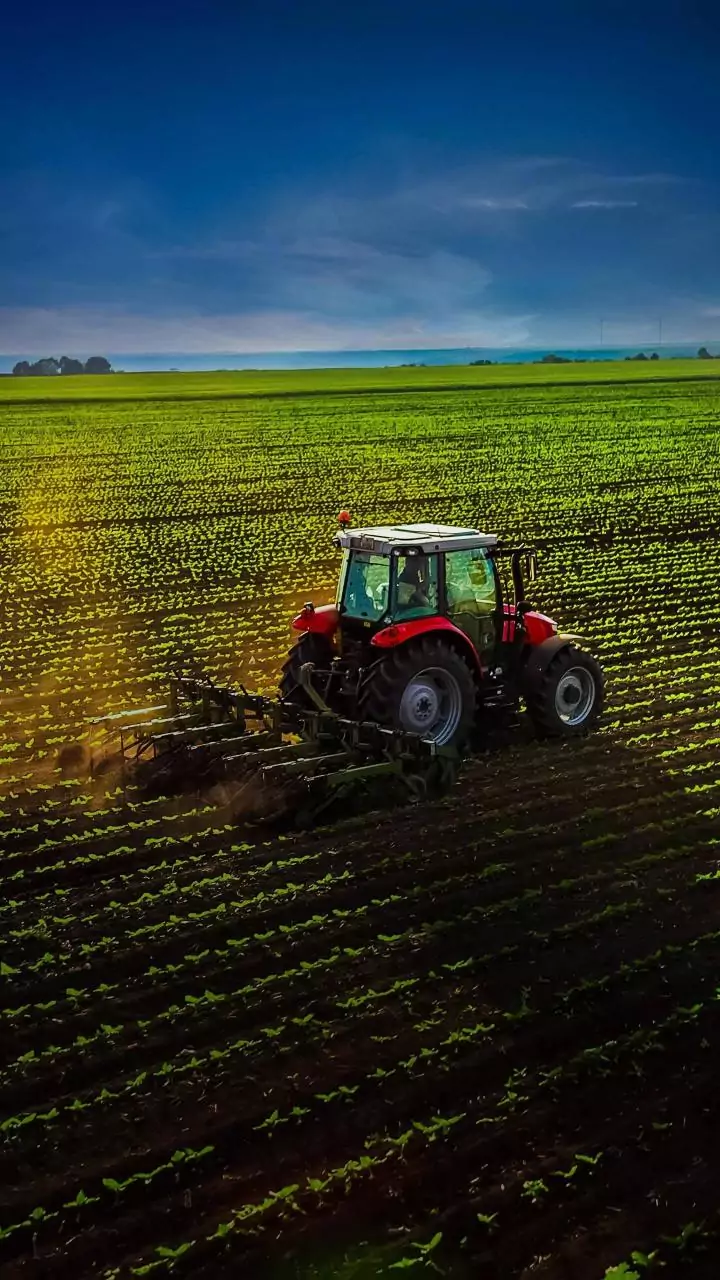
Historically, strawberry cultivation in India has been confined to a few pockets with cool climates, with the Mahabaleshwar-Panchgani belt accounting for about 85% of the national output. This geographical concentration makes the crop susceptible to localized weather events, where a single untimely rain can devastate the harvest. Developing heat-tolerant varieties is the key to unlocking strawberry farming for the rest of India. It would allow cultivation to expand into the plains and non-traditional areas across states like Uttar Pradesh, Gujarat, and Karnataka, which currently rely on imported heat-tolerant varieties. An indigenous, hardy strawberry would make the fruit more widely available, potentially reducing prices for consumers and offering a lucrative diversification option for millions of farmers.
Technology Transforming the Fields
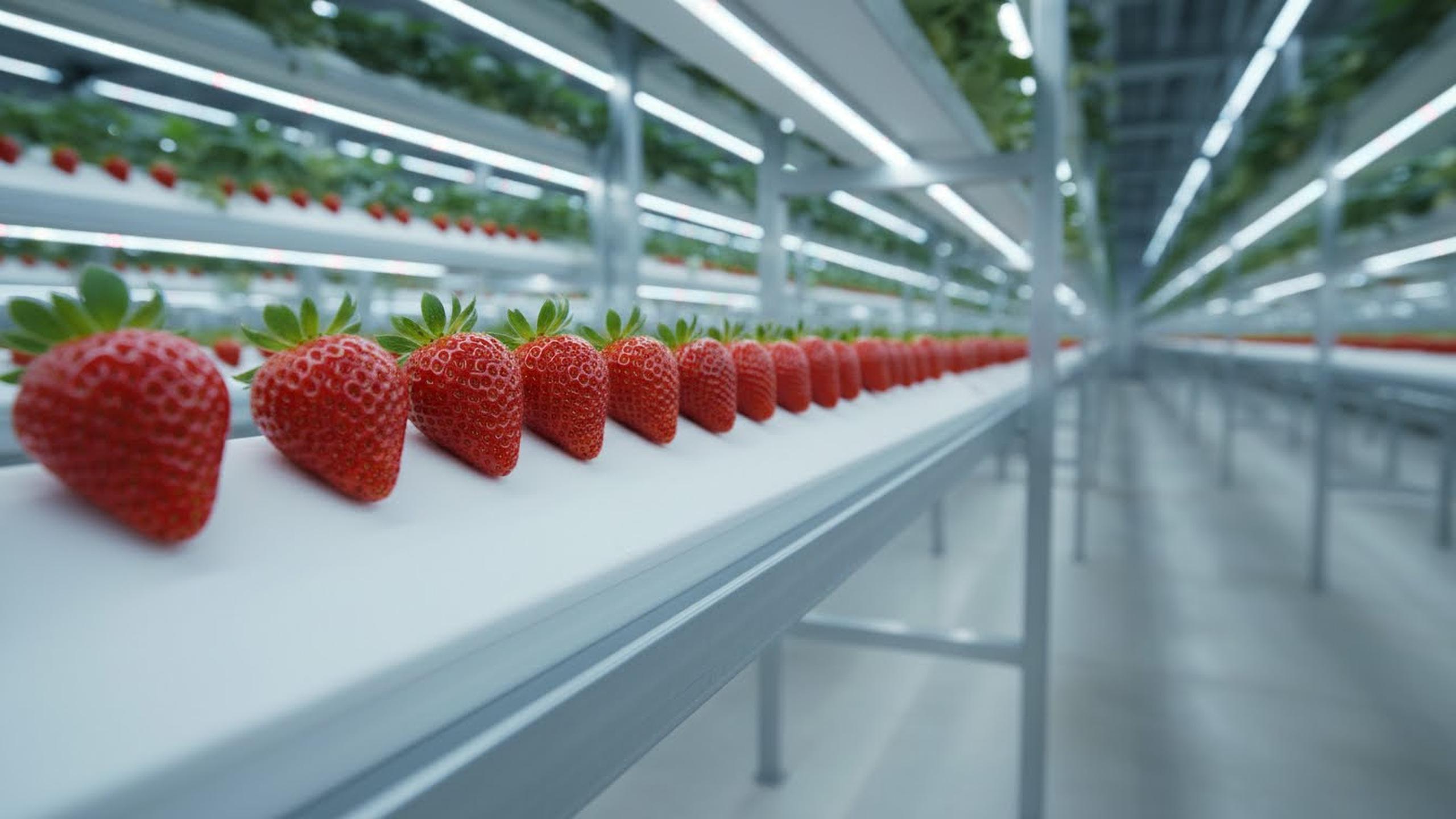
While breeding programmes look to the future, modern technology is already changing how strawberries are grown today. Hydroponic and soilless farming are at the forefront of this shift. By growing strawberries in nutrient-rich water solutions instead of soil, often in polyhouses, farmers can control the growing environment precisely. This method uses up to 80% less water, minimizes the risk of soil-borne diseases, and allows for vertical farming, dramatically increasing the number of plants per square foot. Technologies like drip irrigation and plastic mulching, which conserves moisture and keeps the fruit clean, have also become standard practice for efficient and high-quality production.
The Impact on Farmers and Markets
The combination of new varieties and advanced technology promises a brighter future for Indian strawberry growers. For farmers, it means the potential for higher and more reliable incomes. Hydroponic systems, for instance, enable year-round cultivation, breaking the seasonal barrier of traditional farming. As cultivation expands to new regions, it creates economic opportunities for farmers who previously could not grow this high-value crop. For the Indian market, this revolution signifies greater availability and accessibility of fresh strawberries. It reduces dependence on a single region and creates a more robust and resilient national supply, moving India closer to becoming a true strawberry superpower on its own terms.