





Rajasthan: A Canvas of Grit and Redemption
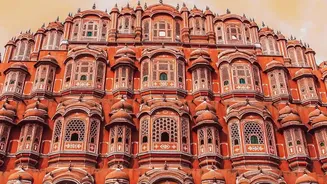
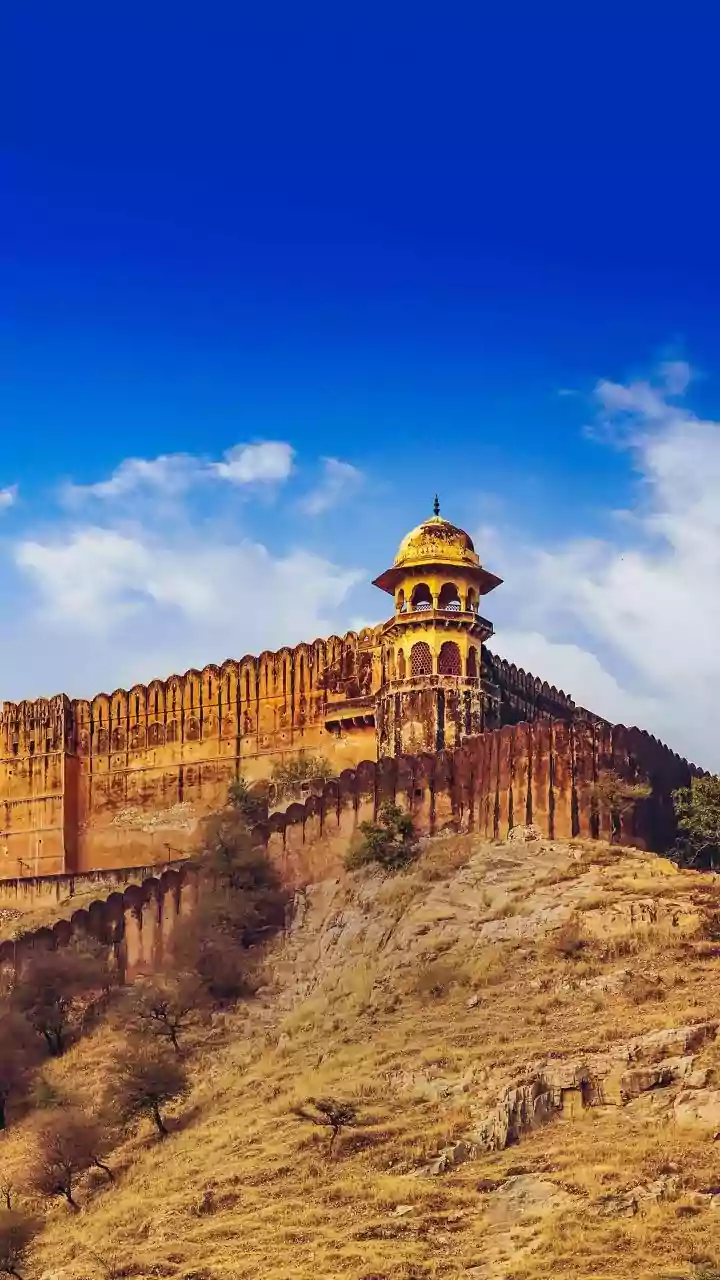
The journey of the resurrected Shivam Pandit in 'Awarapan 2' finds a stark and compelling backdrop in the rugged terrain of Rajasthan. While the original film was confined to urban decay and glitz, the sequel uses Rajasthan's sprawling deserts and ancient
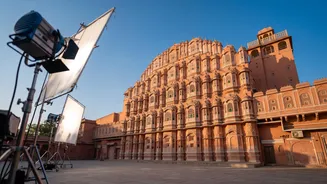
forts to establish a different kind of isolation. This is where the narrative finds its spiritual grit. The choice of Rajasthan is pivotal, serving as a visual metaphor for Shivam's internal turmoil—a vast, lonely landscape for a man grappling with his past. It is here that some of the film's most demanding action sequences were filmed, with reports even confirming that Emraan Hashmi sustained an injury during a stunt. The dusty, sun-scorched earth provides a raw, unfiltered setting for brutal confrontations, contrasting sharply with the neon-drenched locales that defined the first film. This location isn't just a scenic detour; it's a foundational part of Shivam's new journey, a place of both hiding and rebirth.
Bangkok: A Return to Old Haunts
No sequel to 'Awarapan' would be complete without a return to Bangkok, the city that was both Shivam's prison and his proving ground. In 'Awarapan 2', the Thai capital is not just a nostalgic nod to the original; it is the epicentre of the new conflict. The plot revolves around Shivam’s mission to dismantle a child trafficking ring that operates from the city, forcing him to navigate the same streets where his past life came to a bloody end. Director Nitin Kakkar utilizes real, bustling locations, from crowded markets to chaotic streets, to immerse the audience in the city's raw energy. This time, the familiar duality of Bangkok—the serene temples standing in the shadow of a gritty underworld—serves a new purpose. It’s a haunted battleground where Shivam must confront his old ghosts to fight a new and more monstrous evil. The city acts as a constant reminder of what he lost, fuelling the rage and purpose that drives his modern-day crusade.
Kuala Lumpur: The Modern Battlefield
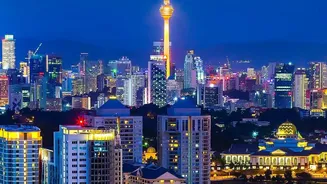
To signify the expanded scale of the franchise, 'Awarapan 2' introduces a new urban jungle: Kuala Lumpur. If Bangkok represents the ghosts of Shivam's past, Malaysia's capital represents the modern, sophisticated, and global nature of his new enemy. The filmmakers use the city's vibrant and futuristic landscape, including its iconic towers and sleek infrastructure, as the backdrop for some of the film's climactic scenes. This setting elevates the stakes, moving the conflict from street-level crime to a war against a more powerful and possibly corporate entity. The visual contrast between Kuala Lumpur's gleaming metropolis and the more grounded settings of Rajasthan and Bangkok highlights the evolution of the threat Shivam faces. It shows that his 'awarapan' (vagrancy) has taken him from a personal hell to an international war, proving that the sequel is bigger in scope and ambition, creating a visually stunning third act for Shivam's return.
Mumbai: The Story's Emotional Heart
While international locations provide the spectacle, the emotional core of 'Awarapan 2' was largely forged in Mumbai. Many of the film's most intimate and dramatic indoor scenes were shot on custom-built sets within the city's studios. This is where the narrative slows down, allowing the characters to breathe and the story's emotional weight to settle. The conversations that redefine Shivam's purpose and the quiet moments of reflection that connect the sequel to the original's soul were primarily captured here. Mumbai serves as the film's production hub and its narrative heart, providing a controlled environment to explore the characters' inner lives without the chaos of outdoor shoots. It's in these scenes, away from the deserts and skyscrapers, that the audience reconnects with Shivam Pandit, the broken man searching for redemption, making his violent journey across Asia feel personal and deeply motivated.