


The Zero-Gravity Problem
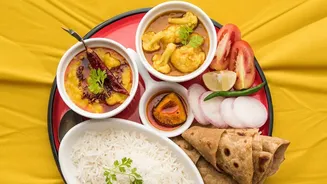
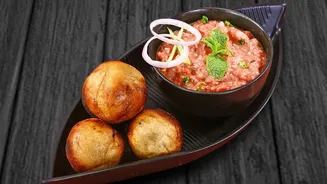
Imagine trying to eat a paratha or some biryani, but every tiny crumb, every loose grain of rice, and every speck of masala floats away. In the microgravity of the International Space Station (ISS), this isn't a funny hypothetical, it's a serious safety
risk. Loose particles can clog critical air vents, get into sensitive electronic equipment, or even float into an astronaut's eyes. This is the fundamental challenge of eating anything in space. NASA, for instance, doesn't allow salt and pepper in their granular form; astronauts use liquid versions to prevent airborne seasoning. Bread is also a no-go due to crumbs, which is why tortillas are a space staple. Any food that flakes, crumbles, or breaks apart easily is a potential hazard.
The Unique Challenge of Indian Food
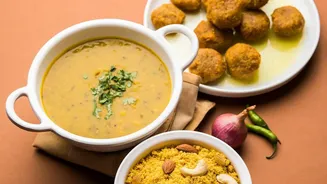
Indian cuisine, beloved for its complex flavours and textures, poses a unique set of problems for space travel. Many of our dishes rely on powdered spices, which are a non-starter in zero-g. Oily or ghee-rich foods are also problematic. The bigger issue is the rigorous qualification process. Before any food can fly, it must be proven to have a long shelf-life without refrigeration, remain nutritious and safe to eat for months, and withstand the intense vibrations of a rocket launch. Many Indian dishes in their traditional form simply cannot meet these incredibly strict microbial and stability standards. It's not a question of taste, but of pure science and safety.
The Lab Behind the Menu
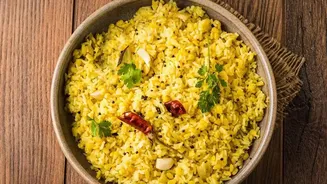
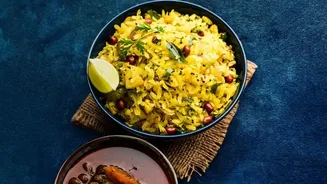
The task of making Indian food space-ready falls to the Defence Food Research Laboratory (DFRL) in Mysuru. This lab, part of the DRDO, has been working for years to develop a menu for India’s own Gaganyaan mission astronauts. The process involves completely re-engineering dishes. Food is often made into a paste or thickened so it can be eaten easily from a pouch. It undergoes processes like thermostabilization (heating to kill microbes) and irradiation to ensure it remains safe. For Shubhanshu Shukla’s mission, DFRL prepared an extensive menu including favourites like khichdi and pulao for qualification.
So, What Made the Cut?
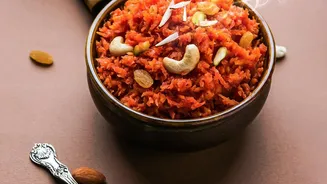
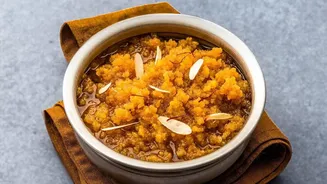
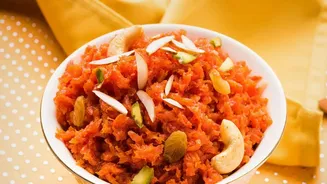
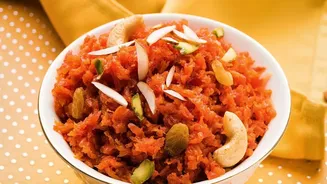
After all the rigorous testing, only three items from the proposed menu were certified for flight in time for Shukla's mission: Gajar ka Halwa, Moong Dal Halwa, and Aamras (sweet mango pulp). According to Shukla, speaking on a podcast, the primary reason more dishes weren't approved was a lack of time for the extensive testing required. It wasn't that dishes like khichdi or pulao failed, but that their qualification process couldn't be completed before the launch deadline. These three approved dishes are cohesive, have minimal loose particles, and could be packaged to meet the stringent safety requirements. Ironically, Shukla himself didn't get to eat them; his international crewmates were so eager to taste the Indian treats that they finished the lot, a moment of cultural exchange he was happy to share.
The Future of Desi Food in Space
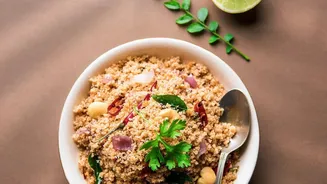
The work for Shukla's flight was a trial run for the much larger Gaganyaan mission. The DFRL is creating a more extensive menu for India's own astronauts, which is expected to include ready-to-eat versions of idli, upma, chicken biryani, and aloo paratha. The experience with Shukla's mission provides valuable data on what works and what doesn't. As astronauts spend longer in space, the psychological comfort of familiar food becomes crucial. Microgravity can dull the sense of taste and smell, making astronauts crave spicier, more flavourful food—a profile that many Indian dishes naturally fit. The challenge remains to deliver those bold flavours in a package that is 100% safe for a zero-gravity environment.