


A Nutritional Powerhouse in Disguise
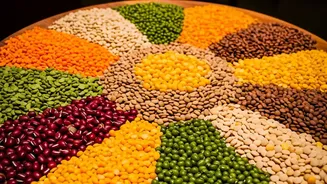
The grass pea, also known as khesari dal in India, is a nutritional champion that has been cultivated for thousands of years, especially in parts of Asia and Africa. Its seeds boast a protein content of up to 31%, which is significantly higher than many
other common pulses like chickpeas. It is also a rich source of dietary fibre, essential minerals like iron and magnesium, and a complex of B vitamins that support energy metabolism. This impressive profile makes it a valuable plant-based food source, particularly in regions where other crops struggle to grow.
The Shadow of Lathyrism
If the grass pea is so nutritious, why is it so overlooked? The answer lies in its historic association with a crippling neurological disorder called neurolathyrism. Traditional varieties of grass pea contain a neurotoxin known as ODAP. The risk comes from prolonged and excessive consumption, especially when it becomes the sole source of food for months, a situation that often arises during famines. When other, less hardy crops fail due to drought or flood, the resilient grass pea survives, becoming a so-called 'famine food'. Over-reliance on it leads to irreversible paralysis of the lower limbs, a condition that has stigmatized the crop for centuries.
Science Paves a Safer Path
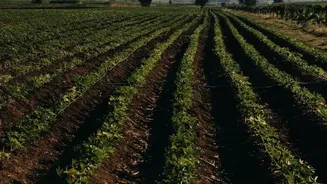
The story of the grass pea is now changing thanks to modern science. For decades, researchers have been working to develop new varieties with little to no ODAP content, effectively removing the danger. Breakthroughs in genomics have allowed scientists to identify the genes responsible for producing the toxin. This has paved the way for breeding and gene-editing new, safe varieties that retain all the desirable traits of the original plant. International research institutes are now running field trials of these low-toxin lines in countries like Ethiopia, Lebanon, and Morocco, bringing the crop back from the brink.
More Than Just a Meal
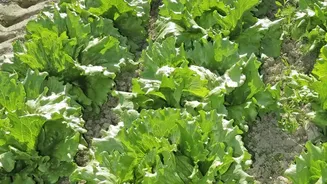
The grass pea's benefits extend far beyond the plate. It is an exceptionally resilient crop, capable of tolerating drought, flooding, and poor soil, making it a perfect example of a climate-smart plant. As a legume, it naturally fixes nitrogen in the soil, which reduces the need for chemical fertilizers and improves soil fertility for subsequent crops. Its deep root system also helps improve soil structure. These qualities make it an ideal crop for sustainable agriculture, helping to ensure food security in a world facing increasing climate challenges.
Bringing Grass Pea to the Kitchen
Around the world, the grass pea has long been part of local cuisines. In India, its flour is known as khesari and can be mixed with other flours to make flatbreads or used to make fritters. As a dal, it is cooked like any other lentil, often with spices, to create a protein-rich stew. In Spain, the flour, called almorta, is used to make a traditional porridge-like dish called gachas manchegas. As low-toxin varieties become more widely available, traditional preparations are being revived. When cooking with any variety, methods like soaking the seeds overnight and cooking them thoroughly can also help reduce toxin levels.