

What Exactly Is 'Double Carbing'?
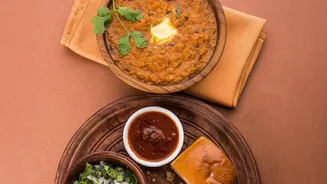
‘Double carbing’ is a simple term for eating two significant sources of carbohydrates in the same meal. It’s not a formal medical term, but it perfectly describes a very common dietary pattern. In the Indian context, this could look like having rice and
roti together, pairing a potato-filled dosa with more potatoes on the side, or enjoying a vada pav, where a potato fritter is sandwiched in a bread roll. While there is nothing inherently wrong with this, regularly combining starchy or refined carbohydrates can significantly increase the total carb and calorie count of a meal, often without adding much in the way of protein or fibre.
The Science of the Spike and Crash
When you consume a meal high in carbohydrates, particularly refined ones, your body quickly breaks them down into glucose (sugar). This causes a rapid increase in your blood sugar levels. In response, your pancreas releases insulin, a hormone whose job is to help transport that glucose from your blood into your cells for energy. A large, quick influx of glucose from a double-carb meal can trigger a powerful insulin surge. This surge does its job very effectively—sometimes too effectively—leading to a rapid drop in blood sugar, often called a 'crash'. This blood sugar dip, happening a few hours after your meal, can trigger feelings of hunger, lethargy, and even cravings for more high-carb foods.
It’s Not Just a Lack of Willpower
If you find yourself reaching for a snack an hour or two after a big, starchy meal, it’s important to understand this isn’t necessarily a failure of willpower. It's a physiological response. The return of hunger after a high-carbohydrate meal is strongly linked to how quickly your blood sugar peaks and then falls. Studies have shown that a high-carb lunch can lead to consuming more calories at dinner compared to a high-protein lunch. This cycle can make portion control difficult because your body’s hunger signals, like the hormone ghrelin, are being activated by the blood sugar crash, telling your brain it's time to eat again.
How Protein and Fibre Can Help
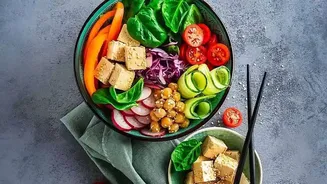
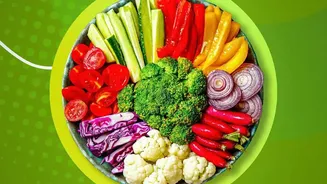
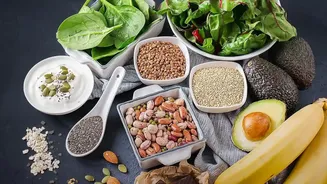
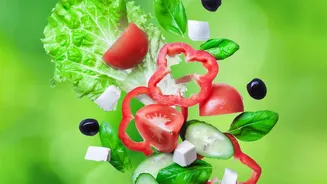
The key to breaking this cycle lies in balancing your plate. Adding adequate protein and fibre to your meals is a game-changer. Protein (found in dal, paneer, eggs, and meat) and fibre (abundant in vegetables, whole grains, and legumes) slow down the digestion and absorption of carbohydrates. This leads to a more gradual, gentle rise in blood sugar instead of a sharp spike. The result is more stable energy levels and a longer-lasting feeling of fullness, or satiety. This makes it much easier to manage your portions and avoid those post-meal cravings. A balanced meal should ideally fill half your plate with vegetables, a quarter with a lean protein source, and a quarter with a complex carbohydrate.
Simple Swaps for a More Balanced Plate
You don't need to eliminate your favourite foods; you just need to be more mindful of your combinations. Instead of having both rice and roti, try choosing one and significantly increasing the portion of your dal, sabzi, or salad. If you're having a dosa, enjoy the sambar (which is rich in lentils and vegetables) and perhaps skip the potato filling in favour of a side of paneer or a small salad. When having pav bhaji, try adding a side of sprout salad or having fewer pavs and more of the vegetable-rich bhaji. The goal is to shift the balance of the meal away from being dominated by carbohydrates and toward a more even split with protein and fibre.