







The Allure and Illusion of Labels
It’s easy to feel virtuous grabbing a snack labelled 'low-fat' or 'plant-based'. These front-of-package claims are designed to catch our eye and simplify our choices. However, they often tell an incomplete, and sometimes misleading, story. A 'low-fat' cookie,
for instance, might be loaded with extra sugar and refined flour to compensate for flavour, making it no healthier than its full-fat counterpart. Similarly, an 'organic' packet of chips is still a highly processed snack. Research shows that focusing on single nutrients or food categories can be a flawed approach. Our bodies don't run on isolated nutrients; they thrive on the synergistic effect of whole foods eaten together. Obsessing over one label can create a 'health halo,' where we overeat a product simply because we perceive it as good, ignoring its overall nutritional profile.
Enter the 'Dietary Pattern' Approach
Nutrition experts are increasingly shifting the conversation from single foods to 'dietary patterns'. Think of it this way: a single great actor can't save a poorly written film. Similarly, one so-called superfood can't undo the effects of a diet filled with unhealthy choices. A dietary pattern refers to the sum of all foods and drinks you consume over time. It’s the big picture of your eating habits. Studies consistently show that healthy dietary patterns—those rich in fruits, vegetables, whole grains, nuts, and legumes—are powerfully linked to a lower risk of chronic diseases like heart disease, diabetes, and even some cancers. This approach is more flexible and realistic, allowing for all foods to fit in moderation rather than promoting strict exclusion.
Why Food Quality is King
Beyond the pattern, the quality of your food is paramount. This largely comes down to the level of processing. A key distinction is between whole or minimally processed foods and ultra-processed foods (UPFs). Whole foods are things that look like they did in nature: an apple, a lentil, a piece of chicken. UPFs, on the other hand, are industrial formulations made from substances extracted from foods, often with many additives. Think packaged snacks, sugary drinks, and ready-to-heat meals. Research has linked high consumption of UPFs to weight gain, inflammation, and a higher risk of several chronic health conditions. This is because they are often stripped of fibre and micronutrients, yet packed with added sugar, unhealthy fats, and salt, and are designed to be hyper-palatable, encouraging overconsumption.
Building a Better, Simpler Plate
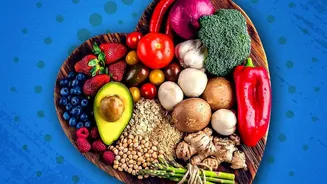
Adopting a healthier dietary pattern doesn't require a radical overhaul or expensive, niche products. It's about making small, sustainable shifts. Start by focusing on adding, not just subtracting. Aim to fill half your plate with vegetables and fruits of various colours. Incorporate whole grains like whole wheat rotis, brown rice, and millets instead of their refined white counterparts. Lean on dals, legumes, and beans as excellent sources of protein and fibre. These principles are at the core of many traditionally healthy Indian eating patterns. The goal isn't perfection but progress. Instead of viewing foods as 'good' or 'bad', a holistic approach encourages a balanced relationship with food, nourishing your body while allowing for flexibility.
A Savvier Shopper's Guide
The next time you're at the grocery store, try this: ignore the flashy claims on the front of the package. Instead, turn it over and read the ingredient list. Is it short and full of names you recognise? That's a great sign. If the list is long and reads like a chemistry experiment, it’s likely an ultra-processed product. Prioritise the outer aisles of the store, where fresh produce, meats, and dairy are typically located. While quantity, or calories, does matter for weight management, focusing on food quality often makes managing quantity easier. High-quality, fibre-rich foods are more filling and satisfying, which can naturally help regulate your appetite and reduce overeating.