





The Modern Agricultural Dilemma
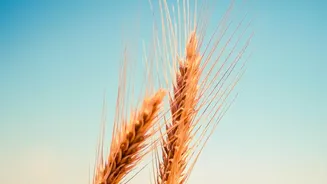
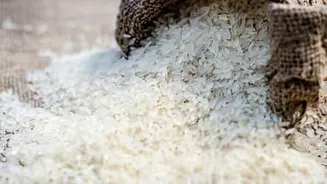
For decades, India's food security has been built on the foundation of the Green Revolution, which prioritized high-yield varieties of wheat and rice. While successful in feeding a growing nation, this focus has come at a cost. These water-intensive crops
are increasingly vulnerable to the effects of climate change, such as erratic monsoons, rising temperatures, and prolonged droughts. Projections indicate that significant temperature increases could lead to substantial decreases in both rice and wheat yields, threatening long-term food stability. This heavy reliance on a few crops has also led to depleted groundwater, soil degradation, and a loss of agricultural biodiversity, pushing us to find more resilient alternatives.
Rediscovering Our Climate-Smart Heritage
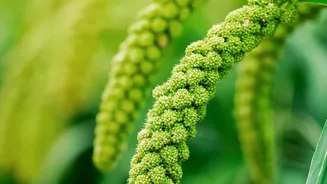
The solution may not lie in a new invention, but in a rediscovery. India is home to a family of ancient grains known collectively as millets, which include jowar (sorghum), bajra (pearl millet), and ragi (finger millet). Once staples across the country, these grains were sidelined in favour of rice and wheat. Today, they are being rebranded as 'Nutri-Cereals' and recognized as 'climate-smart' crops for their incredible resilience. These are the grains our ancestors relied on, especially in arid and semi-arid regions, because they are naturally adapted to thrive in harsh conditions where other cereals might fail.
What Makes a Crop 'Climate-Smart'?
Millets have earned their climate-smart reputation for several key reasons. Firstly, they are remarkably drought-tolerant and require significantly less water than rice and wheat; some estimates suggest millets need only a fraction of the water required to produce the same amount of rice. They are also resistant to high temperatures, capable of growing in heat that would damage other crops. Furthermore, millets can flourish in poor, low-fertility soils without the need for expensive chemical fertilizers, reducing the economic burden on farmers and the environmental footprint of agriculture. Their short growing season also allows farmers to adapt more quickly to changing weather patterns, ensuring a more reliable harvest.
A Nutritional Powerhouse for Modern Diets
Beyond their environmental benefits, millets are a treasure trove of nutrition. Unlike polished rice and refined wheat flour, they are packed with dietary fibre, protein, vitamins, and essential minerals. For instance, ragi is a fantastic source of calcium, crucial for bone health, while bajra is rich in iron and protein. Jowar is loaded with antioxidants. This high fibre content aids digestion, helps in managing blood sugar levels, and keeps you feeling full for longer, making millets an excellent choice for weight management and overall health. Being naturally gluten-free, they are also a great option for those with sensitivities.
From Forgotten Grains to Future Food
The revival of millets is well underway, supported by both government initiatives and a growing consumer awareness. Following the UN's declaration of 2023 as the International Year of Millets, a proposal led by India, there has been a concerted push to promote their cultivation and consumption. Farmers are being encouraged to return to these traditional crops, and chefs and food entrepreneurs are innovating with millet-based products, from dosas and rotis to modern snacks and baked goods. This resurgence is not just about nostalgia; it represents a strategic shift towards a food system that is more diverse, sustainable, and nourishing for both people and the planet.