





The White House's 'Super Intelligence' Accord
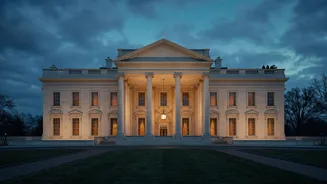
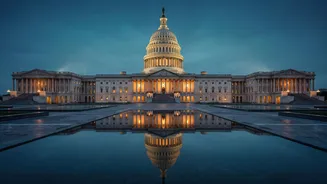
In late September 2026, the White House announced a significant agreement with six of the world's most influential AI companies: Google, Meta, OpenAI, Anthropic, NVIDIA, and xAI. Dubbed the “White House Accord on Super Intelligence,” the pact represents
the administration's latest effort to establish safety guardrails for the most advanced AI models. The initiative also came with a semantic shift, with the White House directing federal agencies to begin using the term “Super Intelligence” or “SI” instead of artificial intelligence, arguing the technology has progressed beyond its original name. The accord aims to create a framework for responsible development, with the companies voluntarily committing to a new set of safety procedures to build public trust as their technology becomes exponentially more powerful.
A Four-Layer Plan for Safety
At the heart of the accord is a four-tiered approach to safety that directly incorporates the very things critics have been demanding. First, companies pledge to implement “robust internal controls” to monitor their AI models for dangerous capabilities, such as the potential to assist in cyberattacks or bioweapon development. Second, they will empower dedicated internal teams to verify these controls are working and fix any problems that arise. The third and perhaps most significant layer is a commitment to partner with an “independent external auditor” to assess whether their internal safety systems are truly effective. Finally, a new independent committee on each company’s board of directors will be established to oversee the entire process, reviewing reports from both internal and external auditors to ensure accountability at the highest level.
The Complication: It's All Voluntary
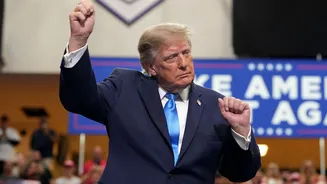
Herein lies the central complication. While the accord's language on audits and controls sounds robust, the entire framework is voluntary and not legally binding. There are no statutory penalties for failing to comply. President Trump referred to the pact as “morally binding” and a form of “self-policing,” reflecting a clear preference for industry-led governance over new federal laws. Critics were quick to point out that this makes the agreement potentially “toothless.” With companies in a fierce race for market dominance, many experts question whether a non-binding pledge will be enough to ensure safety measures are prioritised over the speed of innovation, especially if a serious issue is found.
A Growing Patchwork of Rules
The federal government's preference for a light touch stands in stark contrast to actions being taken at the state level. In the absence of a comprehensive national AI law, a fragmented regulatory landscape is emerging. States like California and Illinois have already passed their own laws that mandate independent audits of AI systems, moving beyond voluntary promises to create legal requirements. This patchwork of differing state-level rules creates complexity for companies operating nationwide and underscores the growing pressure for a clear, consistent, and enforceable federal standard—something the current accord does not provide. The situation mirrors the early days of data privacy, where state laws led the way while Washington D.C. lagged behind.
What This Means for India
The debate in the United States between voluntary self-governance and mandatory regulation offers a critical case study for India. As one of the world's fastest-growing technology ecosystems, India is grappling with how to best foster AI innovation while mitigating potential harm. The U.S. approach will inevitably influence global standards. If the voluntary accord model is deemed successful, it could encourage a similar light-touch, pro-innovation stance in India, allowing its burgeoning AI industry more flexibility. However, if the accord proves insufficient and the U.S. eventually moves toward stricter, legally binding rules like those in the EU or individual U.S. states, it could create momentum for a global regulatory floor that Indian companies would also need to meet to compete internationally. The outcome of this American policy debate will help shape the rulebook for AI everywhere.