



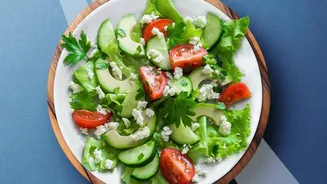

What is the Mediterranean Diet?
The Mediterranean diet is not a commercial plan with rigid rules or calorie counting. Instead, it reflects the traditional eating habits of people in countries like Greece and Southern Italy. Researchers noted that these populations historically had lower
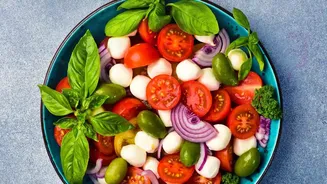
rates of chronic diseases, which sparked global interest. The emphasis is on an overall dietary pattern rather than singling out specific nutrients or foods. It’s a flexible approach built on daily consumption of vegetables, fruits, whole grains, and healthy fats like olive oil. Fish, poultry, beans, and eggs are eaten weekly in moderation, while red meat and sweets are limited.
The Power of Minimally Processed Plants
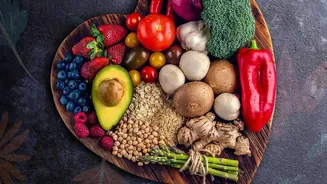
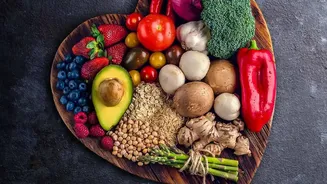
The diet's cornerstone is its reliance on plant foods that are as close to their natural state as possible. Minimally processed foods are altered only slightly from how they are found in nature—think a whole apple, frozen vegetables, or canned beans, as opposed to heavily engineered snacks or ready-meals. This approach ensures a high intake of fibre, vitamins, minerals, and antioxidants, which are crucial for good health. A diet rich in these foods is linked to a lower risk of heart disease, certain cancers, and type 2 diabetes. The high fibre content promotes digestive health and helps you feel full, which can aid in weight management.
Building Your Mediterranean Plate
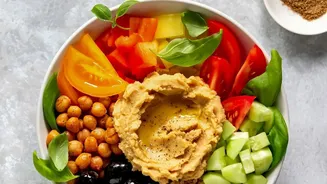
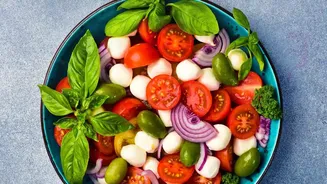
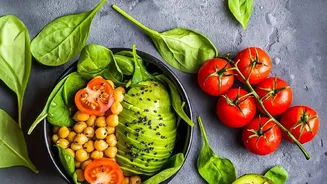
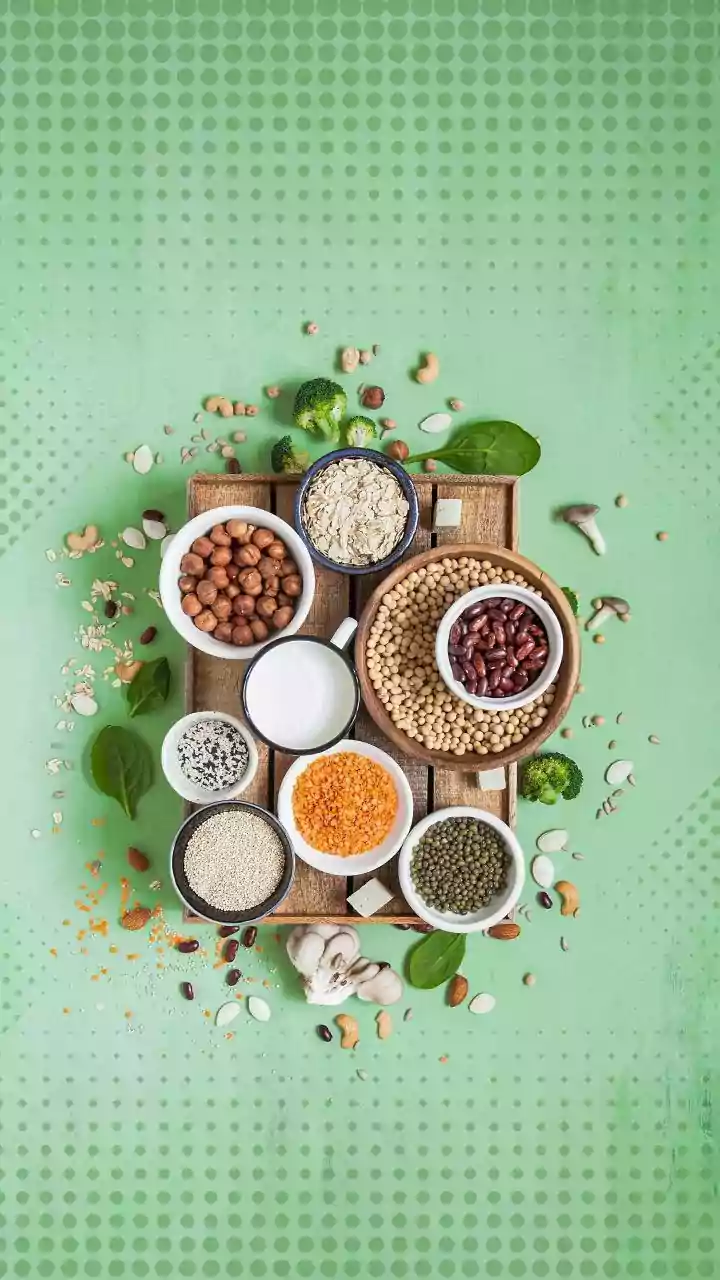
Adopting this eating style means rethinking your plate's composition. Vegetables should take up the largest portion of your meal. A well-rounded Mediterranean meal consists of lean proteins, quality carbohydrates from whole sources, and heart-healthy fats. Key food groups to embrace include an abundance of fruits and vegetables, whole grains like brown rice and oats, and legumes such as lentils and chickpeas. Nuts and seeds are excellent for snacking, and extra virgin olive oil should be your primary fat for cooking and dressings. Fish, especially fatty fish rich in omega-3s like salmon and sardines, should be enjoyed a couple of times a week. Dairy, like plain yogurt and cheese, can be consumed in moderate amounts.
Simple Swaps for a Healthier Start
Transitioning doesn't require a complete overhaul overnight. Small, gradual changes are effective and sustainable. Start by making one simple swap. For instance, switch from white bread to whole-wheat bread. Cook with extra virgin olive oil instead of butter. Try adding an extra serving of vegetables to your lunch and dinner. Instead of reaching for a sugary snack, have a piece of fruit or a handful of almonds. Plan to have a meat-free meal once or twice a week, focusing on beans, lentils, or chickpeas for protein. These small adjustments add up over time, moving you closer to a healthier eating pattern without feeling deprived.
More Than Just Food
Beyond the plate, the Mediterranean approach is a lifestyle. It incorporates regular physical activity and recognises the importance of social connection. Traditionally, meals are enjoyed with family and friends, turning eating into a moment of connection and pleasure. This social aspect is considered an integral part of the overall health benefits associated with the lifestyle. Rather than a restrictive diet, it's a sustainable and enjoyable way of living that nourishes the body and soul. By embracing its principles, you are not just changing what you eat, but also how you approach food and daily life.