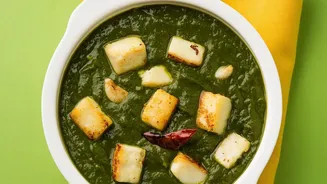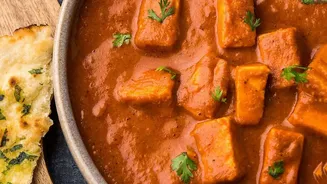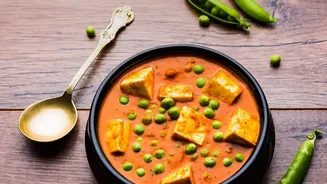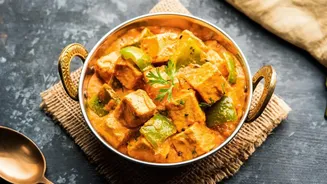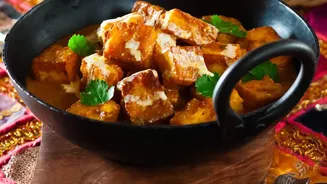






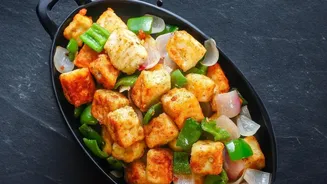
What is FSSAI Proposing?
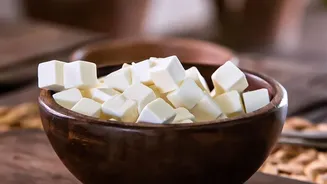
The Food Safety and Standards Authority of India (FSSAI) has issued a draft regulation aiming to restrict the use of the term 'paneer'. According to the proposal, the name 'paneer' should only be used for products made exclusively from milk and milk solids.
Products that substitute milk components with other ingredients, such as vegetable oils, starches, or plant-based proteins, would no longer be allowed to use 'paneer' in their name, labelling, or marketing. It's crucial to understand this is currently a draft, published on September 22, 2026, and not an active law. FSSAI has invited suggestions and objections from the public for 60 days before making a final decision.
The 'Real' vs. 'Analogue' Paneer Debate
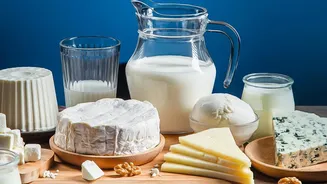
At the heart of this issue is the difference between traditional paneer and 'analogue' paneer. Traditional paneer is a fresh cheese made by curdling milk. Analogue paneer, on the other hand, is a product designed to look and feel like paneer but is made by replacing milk fat and protein with cheaper alternatives like vegetable oil (often palm oil), starch, and skimmed milk powder. While these products are not necessarily illegal, the problem arises when they are sold as authentic paneer, misleading consumers. This misrepresentation is what the FSSAI aims to tackle, ensuring that when you buy 'paneer', you are getting the real, milk-based product.
Why is This Happening Now?
The FSSAI's proposal aims to bring a uniform national standard to an issue that several states have already acted upon. States like Maharashtra, Gujarat, Karnataka, and Telangana have recently implemented their own restrictions or bans on the sale of analogue paneer, citing public health and consumer rights. The main driver for the regulation is to prevent consumer deception. Analogue paneer is often cheaper to produce, creating an incentive for it to be passed off as the real thing, especially in restaurants and catering where packaging isn't visible. This practice denies consumers the ability to make informed choices based on nutritional value, dietary needs, or price. The FSSAI's goal is to ensure labels accurately reflect a product's composition.
Who and What Will Be Affected?
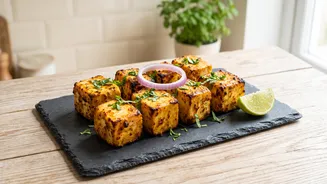
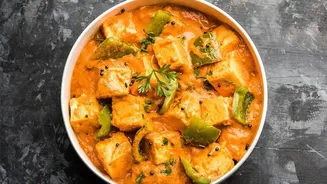
This regulation, if finalized, will not ban analogue products themselves. Instead, it will force manufacturers to rebrand them. A product currently sold as 'analogue paneer' might need to be renamed something like 'vegetable fat block' or another non-dairy term. This affects manufacturers of these alternatives, who will need to update their packaging and marketing. It also extends to hotels, restaurants, and caterers. Under the proposal, any establishment using a paneer substitute would need to clearly disclose this on their menus, ensuring transparency for the end customer. For consumers, this means more clarity and confidence that the 'paneer tikka' they order is made from actual milk-derived paneer.
What Happens Next?
As this is a draft notification, the immediate impact is minimal. The proposal is in a public consultation phase, which will last for 60 days from its publication in late September 2026. During this time, stakeholders, including manufacturers, industry bodies, and the general public, can submit their feedback to FSSAI. After the consultation period ends around late November 2026, the authority will review the suggestions and objections. Following this review, FSSAI will decide whether to finalize the regulation as is, modify it, or drop it. Until a final notification is issued in the Gazette of India, the existing rules remain in place. This process ensures that such a significant change is made after considering all perspectives.