



The Science of Satiety
Feeling full and satisfied after a meal isn't just about volume; it's about nutrition. Three key components signal to your brain that you've had enough: protein, fiber, and healthy fats. These nutrients are digested more slowly than simple carbohydrates,
providing a steady release of energy and preventing the rapid blood sugar spikes and crashes that can lead to premature hunger. Many vegetarian meals that fail to satisfy are often low in one or more of these crucial elements, relying too heavily on refined grains or a simple pile of greens. A meal without a solid anchor of protein and fiber will digest quickly, leaving you raiding the pantry soon after.
Power Up with Plant Protein
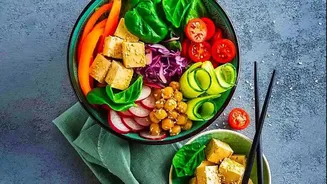
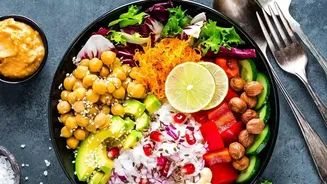
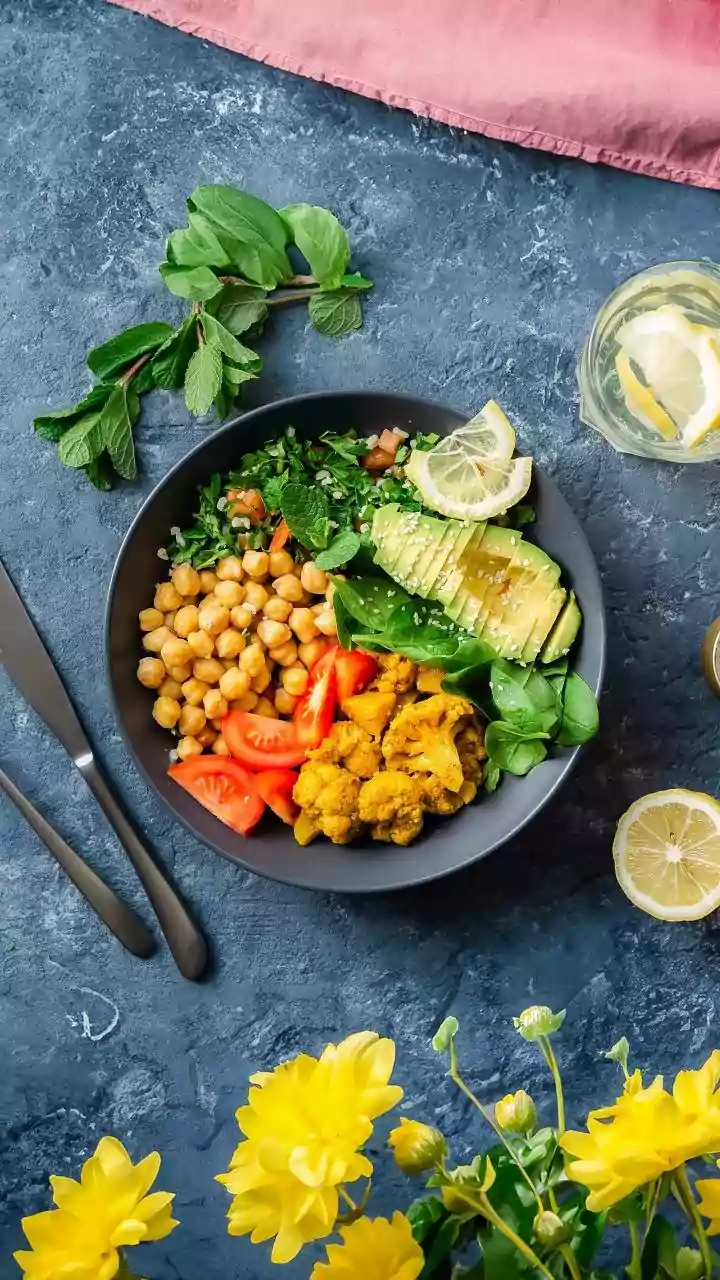
Protein is arguably the most important element for satiety. A common mistake for new vegetarians is simply removing meat from a plate without adequately replacing the protein. A salad with just lettuce and tomato won't cut it. To make that same salad a complete and filling meal, you need to add a substantial protein source. Excellent vegetarian options are abundant and include legumes like lentils, chickpeas, and black beans, which are also packed with fiber. Soy products such as tofu, tempeh, and edamame are protein powerhouses. Even nuts, seeds, and certain whole grains like quinoa contribute significantly to your daily protein intake, ensuring your meal has staying power.
Fill Up on Fiber
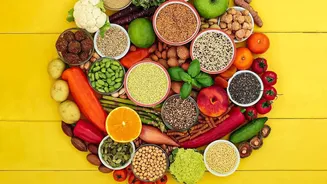
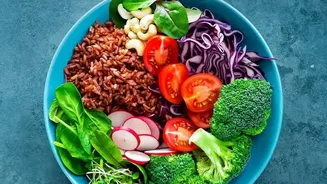
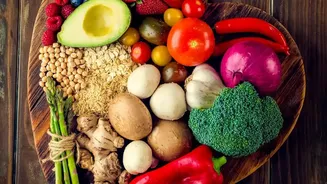
Fiber is the unsung hero of fullness. It slows down digestion and adds bulk to your meal, which helps you feel satisfied for longer. Luckily, a well-planned vegetarian diet is naturally rich in fiber. The key is to choose the right sources. Opt for whole grains like brown rice, oats, and quinoa over their refined white counterparts. Incorporate a wide variety of vegetables, not just leafy greens; broccoli, Brussels sprouts, and carrots are all excellent sources. Legumes are double-duty champions, providing both fiber and protein. Eating fruits with their skin on, like apples and pears, also boosts your fiber intake.
Add Healthy Fats for Satisfaction
Fat is not the enemy; in fact, healthy fats are essential for a satisfying meal. They contribute to a feeling of fullness and help your body absorb fat-soluble vitamins. Incorporating sources of monounsaturated and polyunsaturated fats can turn a light meal into a substantial one. A simple way to do this is by adding half an avocado to your salad or toast. A sprinkle of nuts like almonds or seeds such as chia and flaxseeds can add richness, crunch, and satiating fats to oatmeal or yogurt. Using olive oil in your dressings and for cooking is another easy way to ensure your meal has the staying power it needs.
Building the Perfect Plate
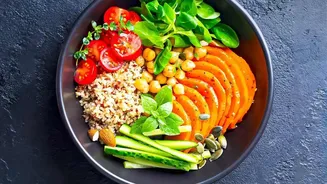
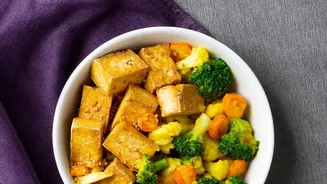
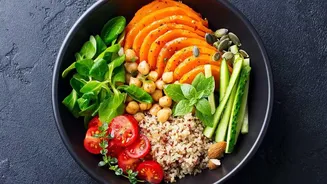
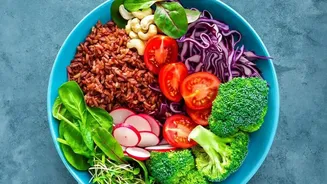
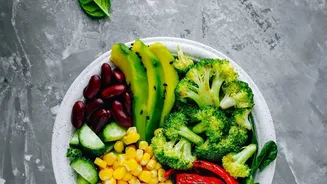
The secret to a filling vegetarian meal is balance. A simple formula can help ensure you're hitting all the right notes. Imagine your plate divided into sections. Aim to fill about a quarter of your plate with a solid protein source like grilled tofu or a hearty scoop of lentils. Another quarter should be dedicated to a complex carbohydrate or whole grain, such as quinoa or a baked sweet potato. The remaining half of your plate should be piled high with a variety of colorful vegetables. Finally, drizzle or sprinkle on a source of healthy fat, like an olive oil-based vinaigrette or a handful of pumpkin seeds. This balanced approach ensures you get the nutrients you need to feel full, energized, and satisfied.