


Understanding Protein in Pulses
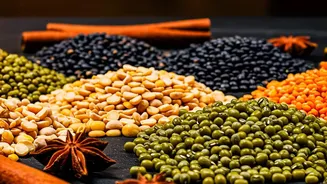
Before diving into specific types, it's helpful to understand how protein in dal is measured. In their raw, uncooked form, most common Indian dals contain a substantial 20 to 25 grams of protein per 100 grams. When cooked, they absorb water, which increases
their weight and volume. This dilutes the protein concentration to about 7-10 grams per 100 grams of cooked dal. So, a single bowl, or katori, of cooked dal typically provides around 8-12 grams of protein, a significant contribution to your daily intake. For a complete protein profile, it is best to pair dals with cereals like rice or roti.
Urad Dal (Black Gram)
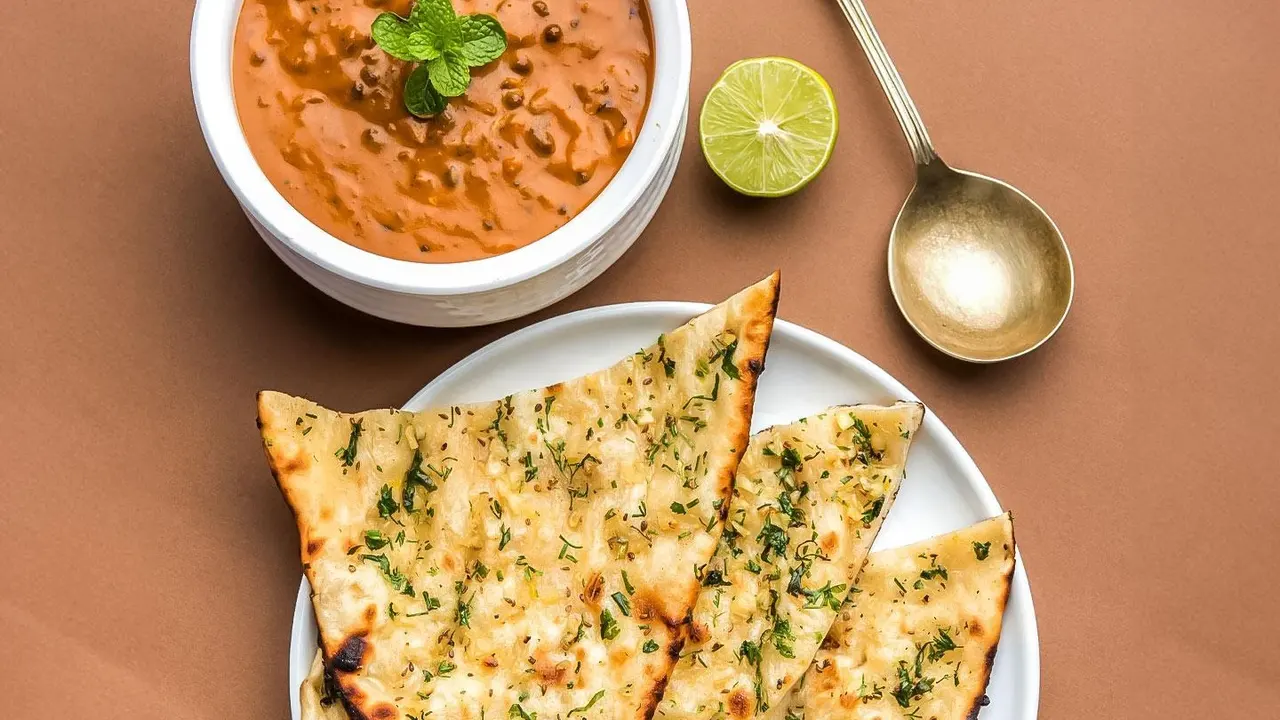
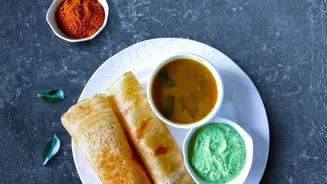
Often considered the champion in terms of protein content, urad dal provides about 24-25 grams of protein per 100 grams raw. It is the key ingredient behind the creamy texture of Dal Makhani and provides the structure for South Indian staples like idli and dosa. Beyond protein, urad dal is a good source of iron, calcium, and magnesium, making it highly beneficial for overall health. Its earthy flavour and versatility make it a valuable pulse in any Indian kitchen.
Moong Dal (Green Gram)
Moong dal is one of the most popular and versatile pulses, containing roughly 24 grams of protein per 100 grams raw. It is famously easy to digest, which is why it's often prepared as khichdi for a light, comforting meal. Available as whole, split with skin (chilka), and split-husked (dhuli), moong dal can be used in everything from simple dal fry to savoury pancakes (cheela) and even sprouts for salads. Being low in carbs and high in protein makes it a superfood in the world of Indian legumes.
Masoor Dal (Red Lentil)
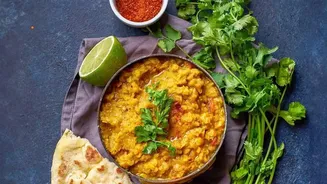
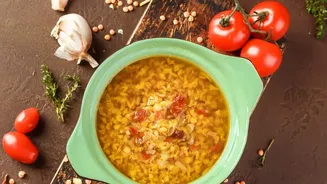
Known for its quick cooking time and beautiful orange-red hue, masoor dal is another protein powerhouse, with about 24-25 grams of protein per 100 grams in its raw form. It doesn't require pre-soaking and breaks down into a soft, creamy consistency, making it perfect for everyday dal tadka and soups. Masoor dal is also rich in iron, folate, and vitamin B1, which supports heart health.
Chana Dal (Split Bengal Gram)
With its nutty flavour and firm texture, chana dal is a favourite across India. It offers a high protein content of about 22-25 grams per 100 grams raw. It’s used to make flavourful curries, is ground into besan (gram flour), and serves as the base for the sweet and aromatic Bengali cholar dal. Chana dal is also rich in fibre and zinc, which helps in regulating blood sugar and lowering cholesterol.
Rajma (Kidney Beans)
The star of the beloved North Indian dish rajma-chawal, kidney beans are not just a source of comfort but also an excellent source of protein, with about 24 grams per 100g raw. Their high fibre content promotes a feeling of fullness, aiding in weight management. Rajma is also a good source of minerals and helps regulate blood sugar levels, making it a nutritious addition to any meal.
Toor Dal (Pigeon Peas)
Also known as arhar dal, toor dal is one of the most widely consumed pulses in India. It provides around 22 grams of protein per 100 grams raw. It is the heart of dishes like sambar in the south and dal fry or dal tadka in the north. Rich in carbohydrates for energy, as well as iron and calcium, toor dal is a foundational element of a balanced and satisfying everyday Indian meal.