






A Poison Delivered to Your Doorstep
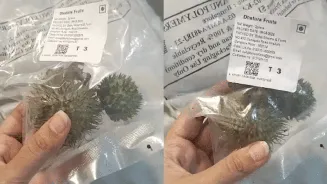
In a startling revelation, food safety authorities in Karnataka suspended the food licences of major e-commerce players, including Amazon, Swiggy Instamart, and BigBasket. The reason: these platforms were found to be selling toxic Datura fruits and seeds,
sometimes listed explicitly for human consumption. The investigation was launched after consumer complaints highlighted the dangerous listings. Officials discovered packets of Datura, a plant known to be poisonous, being stored in warehouses and sold online, with some even bearing Food Safety and Standards Authority of India (FSSAI) registration numbers. This alarming discovery has raised serious questions about the vetting processes and accountability of the sprawling e-commerce ecosystem that millions of Indians rely on daily.
What is Datura and Why is it Dangerous?
Datura, also known as thorn-apple or jimsonweed, is a plant with a notorious reputation. Every part of it contains potent tropane alkaloids like atropine and scopolamine. Ingesting even small amounts can lead to a severe condition known as anticholinergic poisoning. Symptoms are distressing and can appear quickly, including a rapid heartbeat, blurred vision, extreme confusion, agitation, and terrifying hallucinations. In severe cases, Datura poisoning can cause seizures, coma, respiratory failure, and even death. The concentration of these toxins can vary wildly from one plant to another, making any consumption a life-threatening gamble. Its historical use in some traditional rituals does not negate its extreme toxicity when consumed without expert knowledge.
The Regulatory Gaps Exposed
The incident exposes a critical flaw in the system. Under Indian law, any business selling food online, from a small home kitchen on Instagram to a large seller on Amazon, must have an FSSAI licence. E-commerce platforms are also required to hold their own licence and are supposed to verify the FSSAI credentials of every seller they onboard. The FSSAI number must be displayed on the product listing itself. The appearance of a toxic plant being sold with an FSSAI number suggests a breakdown at multiple levels. Either the seller obtained a licence for a different category of products and misused it, or the platform's verification process failed to flag a dangerous item. Regulators noted that the responses from the platforms were unsatisfactory, with one reportedly failing to respond and another's promise to relabel the product as 'not for human consumption' deemed insufficient.
Authorities Crack Down
The response from the Karnataka Food Safety Department was swift. It suspended the food licences of the e-commerce platforms and also of the suppliers who were providing Datura to them. The companies were ordered to immediately delist all advertisements and products related to Datura for human consumption. This action is part of a broader, intensified crackdown by state food agencies and the FSSAI on food safety violations across the country, targeting everything from hygiene standards in restaurants to misleading labels on packaged goods. In recent months, FSSAI has issued hundreds of notices to companies for non-compliance, signalling a more aggressive stance on public health and safety.
How to Stay Safe While Shopping Online
While regulators work to plug these gaps, consumers can also take steps to protect themselves. First, be sceptical of products that seem unusual or make extraordinary health claims. Always check the seller's details and reviews. Second, look for the FSSAI licence number on the product page, but as this case shows, it isn't a foolproof guarantee. Cross-reference unfamiliar products with a quick online search from a reliable source. For groceries and food items, stick to well-known and reputable brands and sellers. If a listing looks suspicious or lacks clear information about ingredients and usage, it is safest to avoid it. Reporting such listings to the platform and to FSSAI can also help protect other consumers.