







Meet Your Master Clock
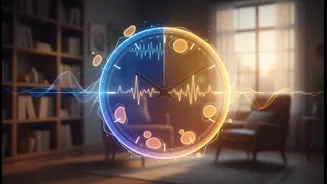
Deep inside your brain, a tiny cluster of cells known as the suprachiasmatic nucleus (SCN) acts as your body's master clock. This internal timekeeper governs your circadian rhythms—the 24-hour cycles that regulate everything from when you feel sleepy
to your body temperature and hormone release. Primarily synced by light, this clock tells your body when to be alert and when to wind down. It also orchestrates a symphony of peripheral clocks located in your organs, including your digestive system, telling them the optimal times to perform their functions, like metabolising food.
The Reality of Social Jetlag
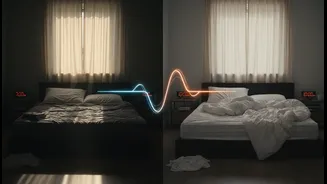
In a perfect world, our internal clocks would align perfectly with our daily schedules. But modern life, with its early weekday alarms and relaxed weekends, often creates a conflict. This mismatch between your body's preferred sleep schedule and your social obligations is known as 'social jetlag'. When you sleep in for several hours on Saturday and Sunday, you are essentially putting your body through a mini time-zone shift without ever leaving home. Come Monday morning, your body clock is still on its weekend schedule, leading to that familiar groggy, disoriented feeling. Research shows that a significant portion of the population experiences at least one hour of social jetlag regularly.
How Sleep Shifts Your Appetite
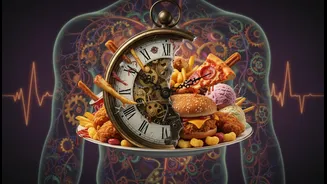
The link between social jetlag and eating habits is becoming increasingly clear to scientists. When you wake up later, it’s only natural that you eat your first meal later. This delay can cascade throughout the day, pushing your lunch, dinner, and any snacks to later hours as well. This isn't just a matter of scheduling; it's biological. The hormones that control hunger and satiety, ghrelin and leptin, are also influenced by your circadian rhythm. When your clock is thrown off by an inconsistent sleep schedule, the signals for hunger can become dysregulated, potentially leading to increased consumption of high-energy, fatty, and sugary foods, especially later in the evening.
The Health Cost of Late Meals
While an occasional late dinner is no cause for alarm, consistently eating at later times—a common consequence of social jetlag—is associated with potential health risks. Your body’s metabolism is not a 24/7 operation; it also follows a circadian rhythm, with processes like insulin sensitivity and energy utilisation being more efficient in the earlier parts of the day. When you eat late at night, your body is less prepared to handle the incoming calories. This can lead to higher blood sugar levels after a meal and may contribute to weight gain and an increased risk for metabolic issues over time. Studies have linked social jetlag to a higher body mass index and poorer overall diet quality.
Syncing Your Weekend Schedule
Eliminating social jetlag entirely might seem like an impossible task, but small adjustments can make a big difference. Experts often recommend trying to keep your weekend wake-up time within an hour or two of your weekday schedule. This helps keep your master clock stable. Another powerful tool is light exposure. Getting bright, natural light shortly after you wake up—even on weekends—helps to firmly anchor your circadian rhythm. Finally, paying attention to meal times can also help. Even if you sleep in a little, try to have your first meal around the same time you would on a weekday. This provides another strong cue to your body's internal clocks, helping to keep your entire system in sync.