

The Allure of a Simple Test
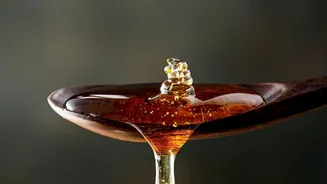
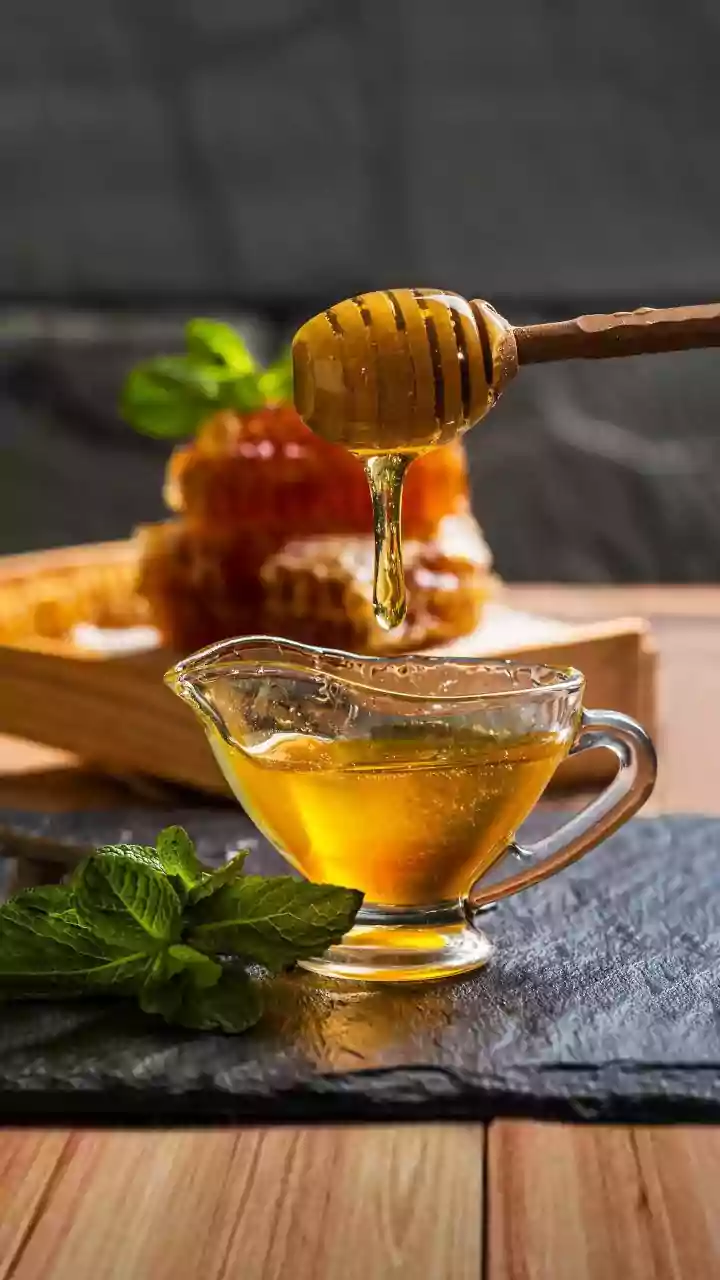
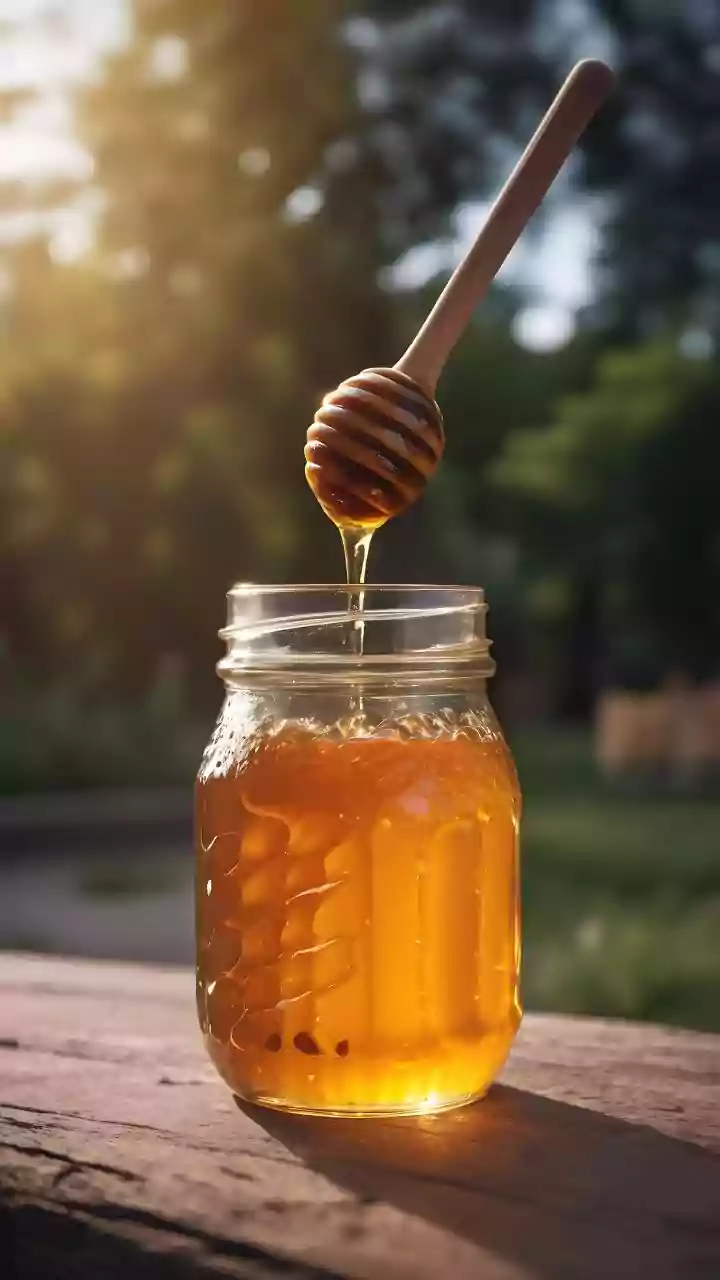
The water-drop test for honey purity is appealing because it’s so simple. The theory goes that if you drop a spoonful of honey into a glass of water, its behaviour reveals its authenticity. Pure, unadulterated honey is said to be dense and cohesive, sinking
to the bottom as a distinct lump. Conversely, 'fake' or adulterated honey, supposedly diluted with sugar syrups, will start to dissolve and disperse into the water almost immediately. In a market where honey adulteration is a real concern, the promise of a quick, visual confirmation right in your own kitchen is powerful. It feels like an easy way to empower yourself as a consumer and ensure you're getting the natural, beneficial product you paid for.
Why the Water Test Is Unreliable
Unfortunately, the water test is a myth. Its central flaw is that it mistakes density and viscosity for purity, and these properties are not exclusive to real honey. A host of factors, including the honey's floral source, its natural moisture content, and even the temperature of the room, can affect how it behaves in water. Some pure, raw honeys may be naturally less viscous and dissolve more readily, causing them to 'fail' the test. More importantly, modern adulterants are sophisticated. Syrups made from rice, corn, or sugar beets can be engineered to be just as thick and dense as authentic honey. These thick syrups can easily pass the water test, sinking to the bottom just like pure honey would, giving you a false sense of security.
The Science of Viscosity vs. Purity
Viscosity is a liquid's resistance to flow—or, in simple terms, its thickness. Honey is famously viscous due to its high sugar content and low water content. However, this thickness can be easily mimicked. Adulterants like high-fructose corn syrup, rice syrup, and other industrial sugar solutions are often used precisely because their viscosity can be controlled to match that of honey. A study at the University of British Columbia found that while the water test could detect honey diluted with water, it struggled to identify honey adulterated with corn syrup. The adulterated sample behaved similarly to the pure one. Relying on how a liquid flows or holds its shape is not a reliable indicator of its chemical makeup. Purity is about composition—the absence of added sugars and syrups—not about thickness.
What About Other Home Tests?
The water test isn't the only piece of kitchen folklore. You may have heard of the flame test, where a matchstick dipped in pure honey should light, or the thumb test, where pure honey holds its shape as a bead on your skin. Sadly, these are just as unreliable and for the same reasons. The flame test is essentially a check for moisture content, not purity; a low-moisture adulterant can pass, while a high-moisture pure honey might fail. Similarly, the thumb test is just another measure of viscosity, which we know can be faked. No simple home test can definitively confirm honey's authenticity. The only way to be certain is through complex laboratory analysis like Nuclear Magnetic Resonance (NMR) or Stable Isotope Ratio Analysis (SIRA), which can detect foreign sugars.
How to Be a Smarter Honey Buyer
Since home tests are not the answer, protecting yourself from adulterated honey comes down to being an informed consumer. Instead of relying on kitchen science, focus on the source. Buy from trusted, local beekeepers whenever possible, as their supply chains are short and transparent. When buying from a store, look for reputable brands that provide information about their honey's origin. Check for certifications on the label, such as the FSSAI mark in India, which indicates the product has met certain regulatory standards. While not a guarantee, price can also be a clue; real honey is costly to produce, so exceptionally cheap honey should raise suspicion. Reading the ingredients list is crucial—if it lists 'honey blend' or includes sugar syrups, it is not pure honey. Ultimately, choosing your honey based on brand reputation and traceability is far more effective than any water test.