







Understanding The Four Days of Devotion
Chhath Puja is a deeply revered ancient Hindu festival dedicated to Surya, the Sun God, and Chhathi Maiya. It is celebrated with particular fervour in Bihar, Jharkhand, and eastern Uttar Pradesh, and by diaspora communities worldwide. The festival spans
four days of rigorous spiritual discipline. It begins with 'Nahay Khay' on November 13, a day of ritual bathing and preparing a simple, pure meal. This is followed by 'Kharna' on November 14, where devotees fast all day and break it after sunset with a meal of 'kheer' and 'roti'. After this meal begins a strict 36-hour fast without water. The main events that draw huge crowds to the ghats are 'Sandhya Arghya' on the evening of November 15, and 'Usha Arghya' at dawn on November 16, where offerings are made to the setting and rising sun, respectively.
The Ghat Experience: What to Expect
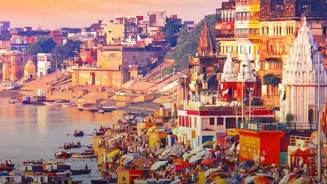
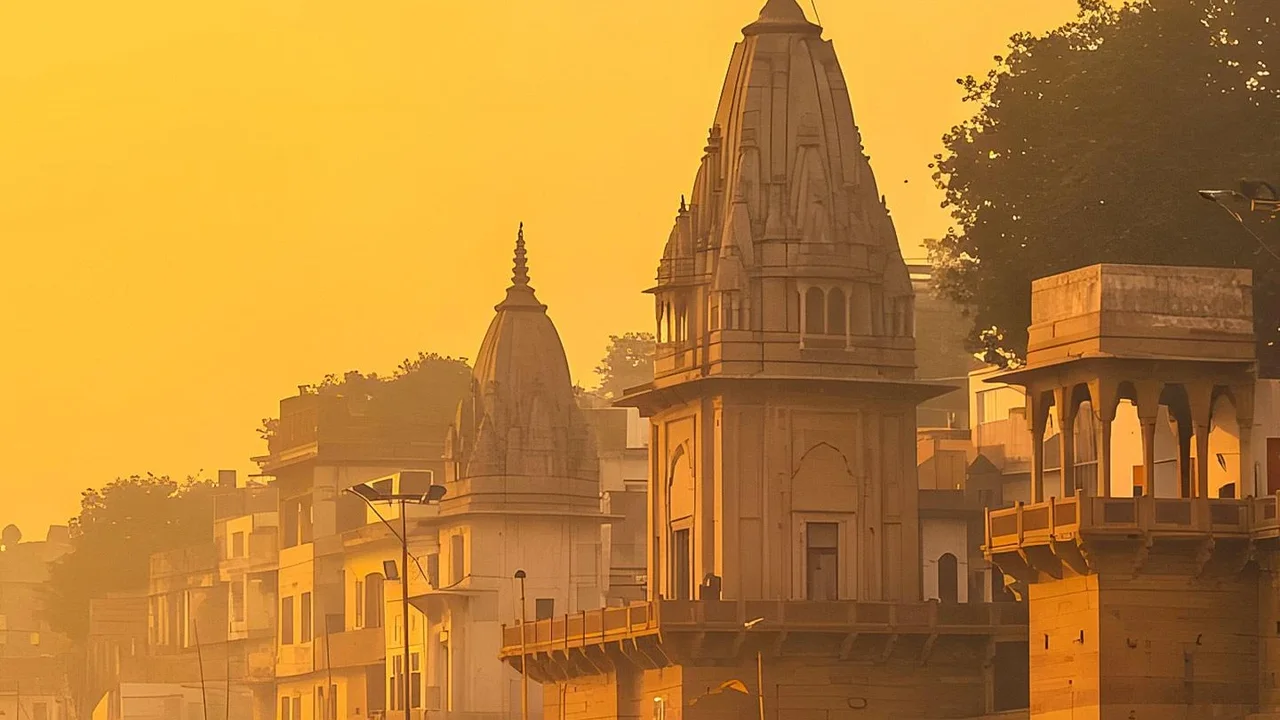
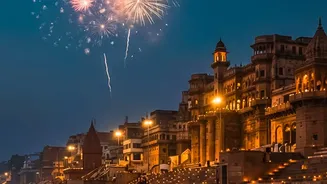
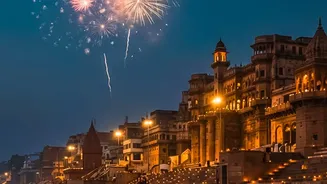
The atmosphere at a Chhath ghat is a unique blend of solemn devotion and communal celebration. Expect to see thousands of families gathered, with devotees, known as 'vratis', standing waist-deep in the water to offer prayers. They carry offerings of fruits, 'thekua' (a traditional sweet), and sugarcane in bamboo baskets ('soops'). The riverbanks are illuminated by countless 'diyas' (earthen lamps) and resonate with the sound of traditional Chhath folk songs, creating a mesmerising scene. While visually stunning, these gatherings are extremely crowded, and movement can be slow and restricted, especially during the peak hours of sunset and sunrise.
Navigating The Crowds Like A Pro
Successfully navigating a crowded ghat requires planning. Local authorities often implement traffic diversions and restrictions on roads leading to major ghats, so using public transport or walking is advisable. Arrive well in advance of the Arghya timings—at least an hour or more—to find a stable viewing spot. Given the large crowds, it is wise to establish a clear meeting point with your family or group in case you get separated. Keep children close and be mindful of your footing, as ghat steps can be slippery. Volunteers and police are deployed for crowd management; always follow their instructions for a safe experience.
Spotlight on Major Riverside Scenes
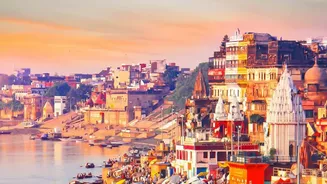
In Patna, the capital of Bihar, the entire stretch of the Ganga becomes a single ritual site. Major locations like Gandhi Ghat, Collectorate Ghat, and Digha Ghat attract massive crowds, with the administration making extensive preparations. In Delhi, the government has prepared over 1,400 ghats along the Yamuna and other water bodies, with key spots including ITO's Hathi Ghat and Sonia Vihar. These sites are equipped with facilities like changing rooms, lighting, and CCTV surveillance for safety. In Mumbai, Juhu Beach is a primary gathering point, drawing hundreds of thousands of devotees to the Arabian Sea coast for the sunset and sunrise rituals.
The Rich Cultural Experience
Beyond the main ritual, the ghats are alive with culture. This is where you will hear folk singers performing traditional Chhath 'geet', which tell stories of the festival's significance and praise the deities. Another beautiful ritual to observe is the 'Kosi Bharai'. Families create a canopy of sugarcane sticks, under which they light lamps to thank the gods for wishes fulfilled. The air is filled with the fragrance of incense and the sight of countless diyas floating on the water. This collective expression of faith, passed down through generations, offers a profound cultural and spiritual experience for observers and participants alike.
A Guide for The Respectful Observer
If you are visiting a ghat as an observer, it is crucial to be respectful of the rituals. Maintain a polite distance from the 'vratis' and their offerings, and do not walk through areas where families are performing their puja. Photography is generally acceptable from a distance, but it is courteous to ask for permission before taking close-up photos of individuals in prayer. Dress modestly as a sign of respect for the religious occasion. Finally, help keep the ghats clean by using designated dustbins and not throwing any waste into the water. Following these simple etiquette rules ensures that everyone can share the space peacefully.