





New Arrivals at the Palais des Nations
In a ceremony rich with symbolism, India’s Permanent Representative to the UN in Geneva, Arindam Bagchi, formally presented five young peacocks to Tatiana Valovaya, the Director-General of the United Nations Office at Geneva (UNOG). The new avian diplomats—four
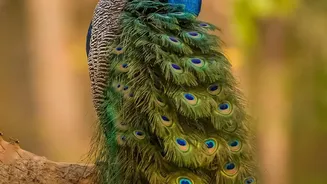
blue males and one rare white male—were chosen to reflect the blue and white colours of the United Nations flag, a subtle but powerful nod to the institution they will now call home. This gesture was more than just a gift; it was a much-needed replenishment. The existing peacock population in the UN’s Ariana Park had dwindled to just a single bird, making India's contribution a vital step in preserving a long-standing feature of the park. The birds will spend an initial period of about three months in a dedicated enclosure to acclimatise before they are allowed to roam freely across the park's expansive grounds.
A Tradition Rooted in History
This act of “peacock diplomacy” is not new; it is the revival of a tradition started 45 years ago. In 1981, then-Prime Minister Indira Gandhi gifted a breeding pair of peacocks from the Delhi Zoo to the UN in Geneva, establishing a unique bond between India and the international body. That initial gesture cemented the presence of India's national bird on these historic grounds. The recent donation of five more birds breathes new life into that legacy, reaffirming a partnership that transcends typical diplomatic channels. This continuation highlights a shared commitment to culture and biodiversity, connecting two distinct moments in history through the elegant presence of these birds. It underscores a consistent thread in India’s foreign relations, where cultural heritage is used as a bridge for international cooperation.
The Legacy of Ariana Park
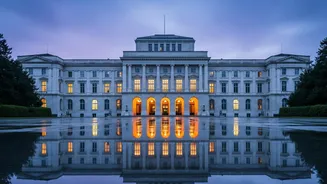
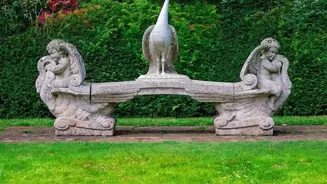
The story of peacocks in Geneva is even older than the United Nations itself. The UN’s European headquarters, the Palais des Nations, is situated within the 46-hectare Ariana Park. This land was originally owned by Gustave Revilliod, a 19th-century Swiss art collector who bequeathed the estate to the city of Geneva in 1890. He did so with three conditions, one of which was that peacocks must be allowed to roam freely on the grounds in perpetuity. This unusual clause in his will legally bound the future caretakers of the park—first the League of Nations and now the United Nations—to maintain a resident peacock population. In essence, India's gift helps the UN uphold a 130-year-old promise, making this a fascinating intersection of modern diplomacy and historical obligation.
A Powerful Symbol of Soft Power
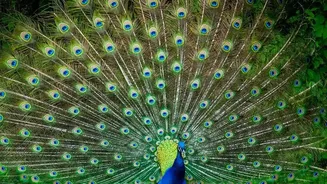
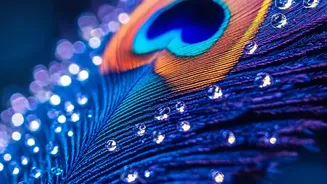
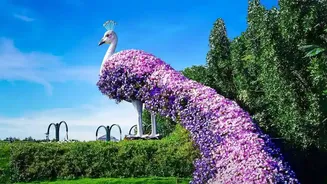
Beyond its historical significance, the gesture is a masterclass in soft power. The peacock, or 'Pavo cristatus', is India’s national bird and holds a sacred place in the country's culture and mythology. It is a symbol of grace, beauty, and divinity, often associated with deities like Lord Krishna and revered for centuries in art and literature. By gifting these birds, India is not just sharing its biodiversity; it is sharing a piece of its cultural soul. This act of wildlife diplomacy creates a living, breathing symbol of India's heritage at the heart of global governance. It’s a reminder that international relations can be built not only through treaties and trade but also through shared values and an appreciation for the natural world. The UN even hailed the new arrivals as the “most dazzling diplomats in Geneva.”