





First, Know Your Light
Before you even step into a nursery, take a moment to become a light detective in your own home. Understanding the direction your windows face is the foundation of good plant parenting. The easiest way is to use a compass app on your smartphone. Stand
facing your window, and the app will tell you if you're looking north, south, east, or west. No app? No problem. Simply observe the sun's path. If you get bright, direct light in the morning, it’s an east-facing window. If the intense sun arrives in the afternoon, it's a west-facing window. A window that gets strong, consistent light all day faces south. And if a window provides gentle, ambient light but rarely gets direct sunbeams, it's likely north-facing. This simple audit of your home's natural light is the most important prep you can do.
North-Facing Windows: The Low-Light Oasis
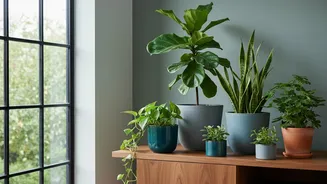
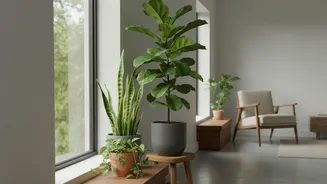
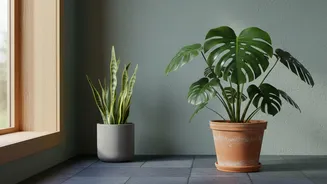
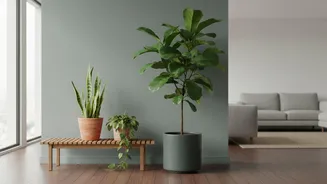
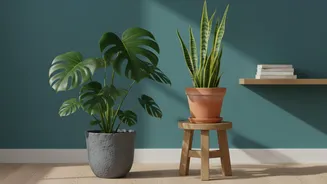
North-facing windows provide the least amount of light, offering a cool, consistent, and indirect glow throughout the day. This can be a challenging spot for many plants, but it's perfect for species that naturally grow on forest floors under a dense canopy. These low-light champions are often prized for their lush foliage rather than their flowers. The key is to choose plants that are known for their tolerance of shadier conditions. Great choices include the nearly indestructible Snake Plant (Sansevieria trifasciata) and the ZZ Plant (Zamioculcas zamiifolia), both of which can handle neglect. The elegant Peace Lily (Spathiphyllum) can also thrive and even produce its signature white blooms in lower light. Heart-leafed Pothos (Epipremnum aureum) is another excellent option that will happily trail from a shelf in a northern room.
East-Facing Windows: The Gentle Morning Sun
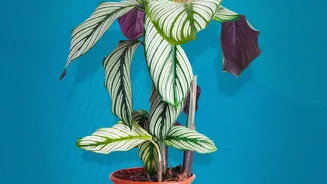
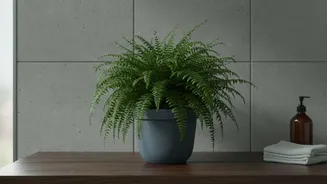
An east-facing window is often considered the ideal spot for a wide variety of houseplants. These windows receive several hours of direct, but gentle, morning sun that isn’t strong enough to scorch delicate leaves. For the rest of the day, they provide bright, indirect light. This balanced environment is perfect for many tropical plants. Ferns, such as the Boston Fern, love the morning sun and ambient light that follows. Prayer Plants (Maranta) and Calatheas, known for their stunning and often colourful foliage, do exceptionally well here, as the harsh afternoon sun can fade their intricate patterns. You can also successfully grow flowering plants like African Violets and Moth Orchids (Phalaenopsis), which appreciate the bright but mild conditions.
South-Facing Windows: Sun Worshipper's Paradise
A south-facing window is the sunniest and brightest spot in your home, delivering strong, direct light for most of the day. This is prime real estate for sun-loving plants that hail from desert or arid environments. Succulents of all kinds, such as Echeverias and the popular Jade Plant (Crassula ovata), will thrive in this setting, which mimics their native habitat. Cacti are another obvious choice. Aloe Vera not only tolerates but loves the direct sun a south window provides. For something with more dramatic foliage, consider the Croton (Codiaeum variegatum), whose vibrant leaf colours depend on receiving plenty of bright light. Even a Bird of Paradise (Strelitzia) can flourish here, bringing a bold, tropical feel to your sunniest room.
West-Facing Windows: The Afternoon Hot Spot
West-facing windows get a blast of intense, hot sun in the afternoon and evening. This can be tough on many plants, as the afternoon heat can be scorching, especially in the summer. However, many of the same plants that enjoy a south-facing window will also do well here. Hardy succulents, cacti, and Aloe Vera are well-suited for this exposure. The Snake Plant is versatile enough to handle the bright light of a west-facing window, too. Another great option is the Bird of Paradise, which is happy with the bright light, though you might need a sheer curtain to diffuse the most intense rays during peak summer. Flowering plants like Geraniums can also thrive and produce plenty of blooms with the strong afternoon light.