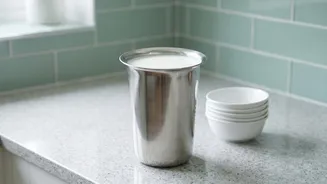









The Adulteration Anxiety
Milk adulteration is a persistent issue in India, ranging from simple dilution with water to the addition of harmful chemicals. The primary motive is almost always profit: increasing volume or masking poor quality. Common adulterants include water, which
reduces nutritional value; starch, added to create artificial thickness; and synthetic detergents, used to create froth and make diluted milk appear rich. More dangerous substances like urea, which can falsely elevate protein readings, and preservatives like formalin are also sometimes found. These additions can lead to health problems ranging from gastrointestinal issues to kidney damage with long-term consumption. This reality has fueled a desire for simple, at-home methods to verify the purity of milk.
Home Tests: The Reliable Checks
The good news is that some FSSAI-promoted home tests are effective for detecting common, simpler adulterants. A study found that home tests for water and detergent have high specificity and accuracy. For water, the 'slope test' is a reliable indicator: place a drop of milk on a polished, slanted surface. Pure milk will flow slowly, leaving a white trail, while water-adulterated milk will run down immediately without leaving much of a mark. To detect starch, boil a few millilitres of milk, let it cool, and add a drop or two of iodine solution. If the milk turns blue, it confirms the presence of starch. For detergents, shake 5-10 ml of milk with an equal amount of water. A thick, persistent lather indicates detergent, whereas the thin foam on pure milk disappears quickly.
Home Tests: The Unreliable Myths
While simple tests work for some things, they are not a catch-all solution. Detecting complex chemical adulterants like urea, formalin, or caustic soda at home is much more difficult and often unreliable. For instance, a suggested home test for urea involves mixing milk with soybean or arhar dal powder and checking for a colour change on litmus paper. However, the accuracy of this can be questionable without precise conditions. Similarly, detecting formalin, a toxic preservative, requires laboratory methods for a conclusive result, though an unusually long shelf life without refrigeration can be a red flag. Relying solely on DIY tests for these dangerous chemicals can create a false sense of security. Boiling milk, a crucial step for killing bacteria in raw milk, does not remove chemical adulterants like detergents or urea.
Smarter Storage: What You Can Control
Beyond testing, how you store milk is critical for safety and quality. For any loose, raw milk, it is essential to bring it to a rolling boil soon after purchase to kill harmful bacteria. Once boiled and cooled, it should be refrigerated. Packaged, pasteurized milk is already heat-treated and safe to consume directly, but it must be refrigerated promptly. The CDC recommends storing milk in the main part of the refrigerator, not the door, where temperatures are more stable. Freshly expressed milk can stay at room temperature for up to four hours, in the fridge for up to four days, and in the freezer for six to twelve months for best quality. Always store milk in clean, food-grade containers with tight lids. Your senses are also a valuable tool; milk that smells off, tastes bitter or soapy, or has an unusual texture should be discarded.