

It’s the visually striking, two-toned beverage taking over café menus and social media feeds: the dirty matcha. This blend of earthy green tea and rich espresso is catching the eye of coffee and tea lovers alike. But what happens when you combine these
two caffeinated powerhouses?
What Exactly Is a Dirty Matcha?
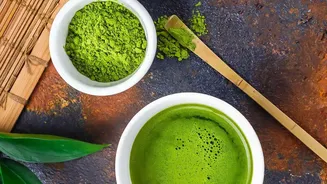
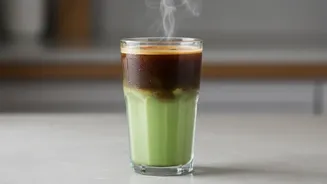
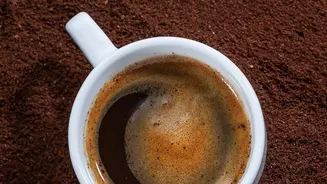
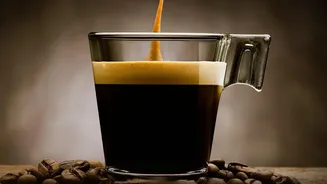
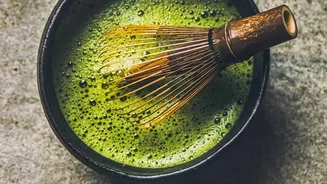
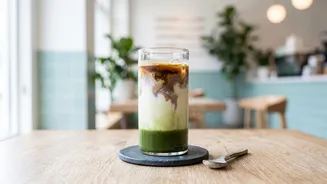
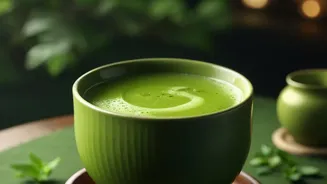
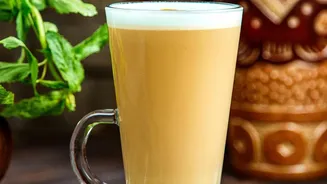
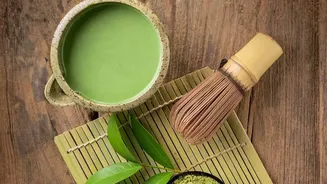
A dirty matcha is a layered drink that combines a matcha latte with a shot of espresso. The base is typically made by whisking matcha powder with milk (or a plant-based alternative) and an optional sweetener. A freshly pulled shot of espresso is then poured over the top, creating a signature “dirty” look as the dark coffee streaks through the vibrant green matcha. This naming convention follows the trend of the "dirty chai," where espresso is added to a spiced tea latte. Thanks to its unique appearance and flavor profile, the drink, sometimes called a "camo latte," has become a viral sensation.
A Tale of Two Buzzes
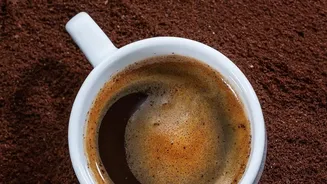
The primary draw—and the main point of caution—is the combination of two distinct types of caffeine. Coffee, specifically espresso, delivers a quick and powerful jolt of energy. Its caffeine is absorbed rapidly, which can sometimes lead to jitters or an eventual energy crash for some individuals. Matcha, on the other hand, provides a different kind of buzz. While it does contain a significant amount of caffeine, it is also rich in an amino acid called L-theanine. L-theanine is known for promoting a state of “calm alertness,” counteracting the jittery side effects of caffeine and leading to a smoother, more sustained release of energy. The combination in a dirty matcha, therefore, offers a unique experience: the immediate kick from espresso, mellowed by the steady focus from matcha.
The All-Important Caffeine Count
So, just how much caffeine are you consuming with a dirty matcha? The exact amount can vary based on the café, the quality of the ingredients, and the serving size. A typical single shot of espresso contains roughly 60 to 100 milligrams of caffeine. A standard serving of matcha (about one teaspoon or two grams) has approximately 40 to 70 milligrams of caffeine. When combined, a single dirty matcha can easily contain anywhere from 100 to 170 milligrams of caffeine, and potentially more if a double shot of espresso is used. For most healthy adults, the recommended daily limit for caffeine is up to 400 milligrams. While one dirty matcha fits comfortably within this guideline, it's a significant portion of the daily allowance in a single cup. For those who are sensitive to caffeine, pregnant, or have other health considerations, this amount could be substantial.
But How Does It Taste?
Beyond the caffeine, the flavor is what makes or breaks the dirty matcha experience for many. The drink combines the grassy, slightly sweet, and umami notes of matcha with the roasted, bitter, and bold profile of coffee. For some, this combination is a perfect marriage, creating a complex and layered taste that is earthy and rich. The creaminess of the milk latte base helps to bind the two distinct flavors together. However, for others, the two strong tastes can clash. The quality of both the matcha and the coffee is crucial; using a high-quality ceremonial grade matcha can help balance the intensity of the espresso, preventing the final drink from becoming overly bitter.
The Verdict: A Trend to Try or Skip?
The dirty matcha is more than just a passing trend; it's a potent combination of flavor and function that appeals to seasoned caffeine drinkers looking for a new experience. The synergy between L-theanine and caffeine can provide a focused, sustained energy boost that is different from what either coffee or matcha offers alone. However, its substantial caffeine content means it's not for everyone. If you are sensitive to caffeine or closely monitor your intake, you may want to approach this drink with caution or opt for a smaller size. For the curious, it offers a unique taste worth exploring, but it's best viewed as a powerful beverage to be enjoyed in moderation rather than a daily go-to for your morning caffeine fix.