


A New Watchman for the Sun
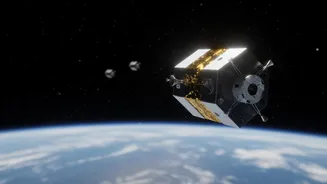
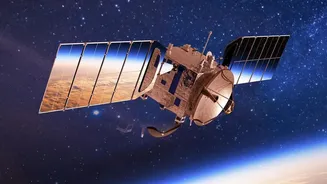
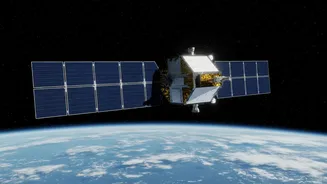
Launched in March 2025, NASA's PUNCH mission is not a single satellite but a coordinated fleet of four spacecraft, each the size of a suitcase. PUNCH, which stands for Polarimeter to Unify the Corona and Heliosphere, was designed to fill a critical observational
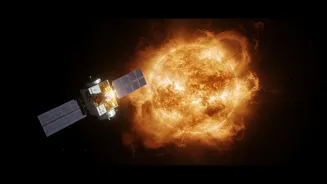
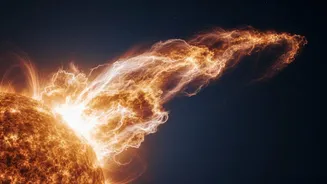
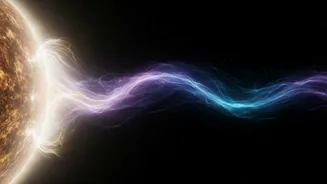
gap. Previously, scientists could track massive eruptions from the Sun, called coronal mass ejections (CMEs), as they left the star's atmosphere, but would then lose sight of them for most of their journey across the 150 million kilometres to Earth. The four PUNCH satellites fly in formation, creating a single virtual instrument that captures a continuous, 3D view of the solar wind and the CMEs travelling within it. By taking images every four minutes, the mission can track the entire evolution of a solar storm as it races towards our planet.
The AI-Powered Forecast
The latest breakthrough, announced in August 2026, demonstrates the power of combining PUNCH's unique data with computer modeling. Scientists conducted a proof-of-concept test using data from a CME that occurred on May 31, 2025. They fed the continuous imagery from PUNCH into a model which analysed the CME's changing speed, size, and structure. The result was a stunning success: the model predicted the storm's arrival at Earth within a 30-minute window. This represents a monumental improvement over previous methods, which often had an error margin of five to twelve hours, and sometimes even more. While researchers note this was a retroactive analysis and needs further validation, it represents what one scientist called a leap comparable to moving from steam engines to modern combustion engines.
Why 30 Minutes Is a Game Changer
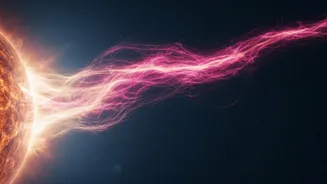
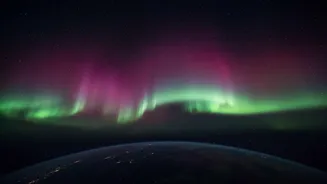
A CME that strikes Earth can trigger a geomagnetic storm, a major disturbance of our planet's magnetic field. The consequences are not just beautiful auroras. These storms can induce powerful electrical currents in long conductors, like power lines, potentially overloading grids and causing widespread blackouts. The infamous 1989 storm, for example, plunged six million people in Quebec into darkness. Beyond the power grid, our modern world is highly vulnerable. Geomagnetic storms can damage or disable critical satellites used for GPS, communications, and weather forecasting, disrupt high-frequency radio signals used by airlines, and pose radiation risks to astronauts. An extra half-hour of reliable warning is not a small thing; it’s a crucial window for action.
From Warning to Action
With a precise, 30-minute warning, tangible protective measures become possible. Power grid operators could have just enough time to reconfigure their networks, taking vulnerable transformers offline to prevent catastrophic damage that could take months or years to repair. Satellite operators can command their spacecraft to enter a protective 'safe mode,' turning off sensitive electronics to weather the storm. Airlines could reroute flights away from polar regions where communication and radiation risks are highest. In essence, it shifts the paradigm from simply bracing for impact to actively mitigating damage. It provides the actionable intelligence needed to protect the technological backbone of modern society.