


What Exactly Is Molaga Bajji?
At its heart, Molaga Bajji—also known as Mirchi Bajji or Milagai Bajji depending on the region—is a deceptively simple creation. It features a specific type of large, light green chilli, often called a 'bajji chilli', which is prized for its mild heat
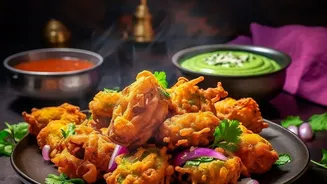
and thick flesh. These chillies are slit, sometimes deseeded, and occasionally filled with a tangy mix of spices before being enveloped in a thick, savoury batter and plunged into hot oil. The result is a puffy, golden-brown fritter with a satisfyingly crunchy shell and a soft, steamy interior.
A Symphony of Flavour and Texture
The magic of Molaga Bajji lies in its contrasts. The batter, a blend of gram flour (besan) and a touch of rice flour for extra crispness, is the first flavour to hit the palate. It is typically seasoned with salt, a pinch of asafoetida for aroma, and sometimes carom seeds (ajwain) or cumin. This savoury crust gives way to the gentle, vegetal warmth of the cooked chilli inside. While it might look intimidating, the chillies used are chosen specifically for their lack of intense spice, making the experience more about flavour than fire. Often, the bajjis are served with a cooling coconut chutney or a simple pairing of finely chopped raw onions and a squeeze of lemon.
Breakfast Staple or Evening Snack?
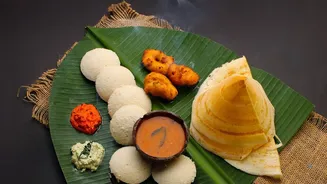
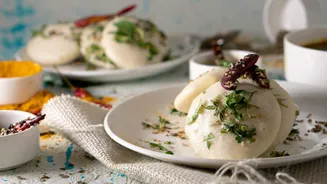
Here is where the debate begins. The headline calls it a breakfast classic, and for many, it is. It's not uncommon to find Molaga Bajji as part of a larger weekend breakfast spread, served alongside other tiffin favourites like idli and dosa. However, its most prominent identity is as a street food snack, particularly cherished on rainy evenings with a hot cup of tea or coffee. It is a fixture at roadside stalls, train station platforms, and office canteens across South India. Rather than a daily breakfast item, it’s more of a celebratory, comforting food—a treat to be enjoyed when time slows down, whether that's on a lazy Sunday morning or a drizzly evening.
The Art of the Perfect Bajji
Making the perfect Molaga Bajji is an art passed down through generations and perfected by street vendors. The process begins with selecting firm, fresh chillies. Some cooks deseed them entirely to ensure a mild flavour, while others stuff them with a mixture of cumin powder, salt, and tamarind pulp or lemon juice to add a layer of tanginess. The batter is the next critical element; it must be thick enough to coat the chilli completely without being heavy or doughy. A pinch of baking soda helps it puff up beautifully, creating that light, airy texture. Finally, the frying technique is key. The oil must be at the right temperature—hot enough to cook the bajji quickly for a crisp finish, but not so hot that the outside burns before the chilli inside is tender.
More Than Just a Fritter
To call Molaga Bajji just a snack is to miss the point. It is deeply woven into the cultural fabric of South India. It's the taste of monsoon season, the smell of a bustling market, and the comfort of a simple, satisfying meal. For many, it evokes powerful memories of childhood, of stopping at a favourite street-side vendor after school or sharing a plate with family during a downpour. This fritter represents a culinary tradition that finds joy in simple ingredients, transformed by technique and a touch of spice into something truly special. It is this emotional connection that elevates it from a mere dish to an essential experience.