


The Threat From Above: Melting Glaciers
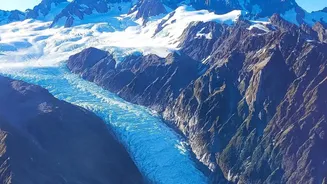
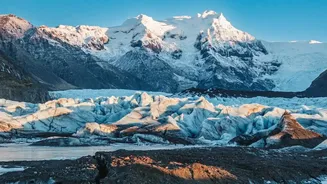
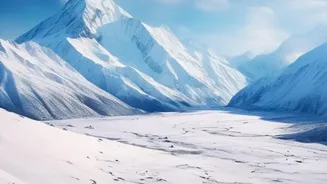
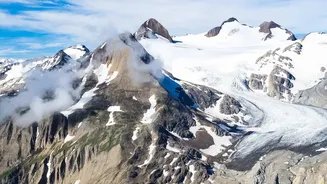
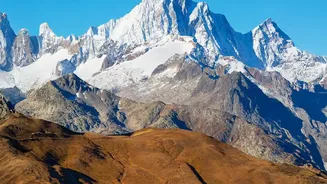
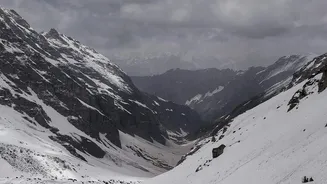
High in the Himalayas, climate change is a visible and accelerating reality. Temperatures in the region are rising faster than the global average, causing Nepal's more than 3,000 glaciers to melt at an alarming rate. This rapid melt feeds into an increasing
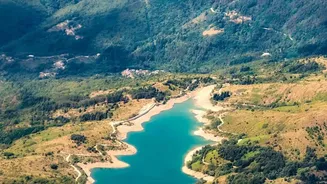
number of glacial lakes, many of which are held back only by unstable natural dams made of rock and debris known as moraines. These moraine dams can be weak, and as the lakes swell, the pressure builds. A landslide, an avalanche, or even just the immense pressure of the water itself can cause a dam to burst, unleashing a catastrophic Glacial Lake Outburst Flood, or GLOF. These sudden deluges carry enormous volumes of water, ice, and rock downstream at incredible speeds, destroying everything in their path, from villages and farms to vital infrastructure like bridges and hydropower plants.
Unstable Ground: The Peril of Steep Slopes
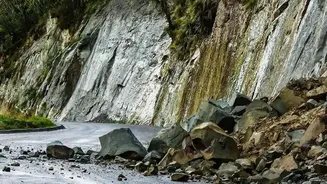
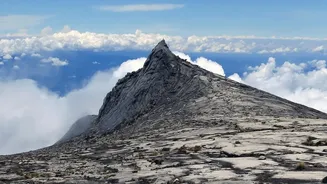
Nepal's topography is extreme, dropping from the world's highest peaks to low-lying plains over a very short distance. This results in some of the steepest slopes on the planet, composed of geologically young and fragile rock. This natural instability is compounded by Nepal's position on a major tectonic fault line, which makes the country highly susceptible to earthquakes that can further weaken and fracture the mountainsides. The annual monsoon season, which brings intense and often prolonged rainfall, acts as the primary trigger for disaster. The rain saturates the soil on these steep slopes, turning stable ground into a mobile mass of mud and rock that can slide without warning. Unplanned road construction and deforestation often exacerbate the problem, cutting into hillsides and removing the tree roots that help bind the soil together, making landslides a frequent and deadly occurrence.
The Funnel Effect: Narrow Valleys as Hazard Corridors
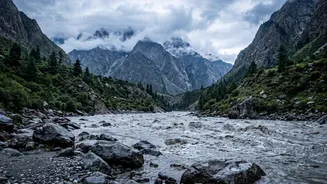
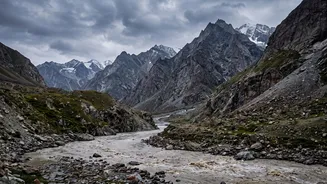
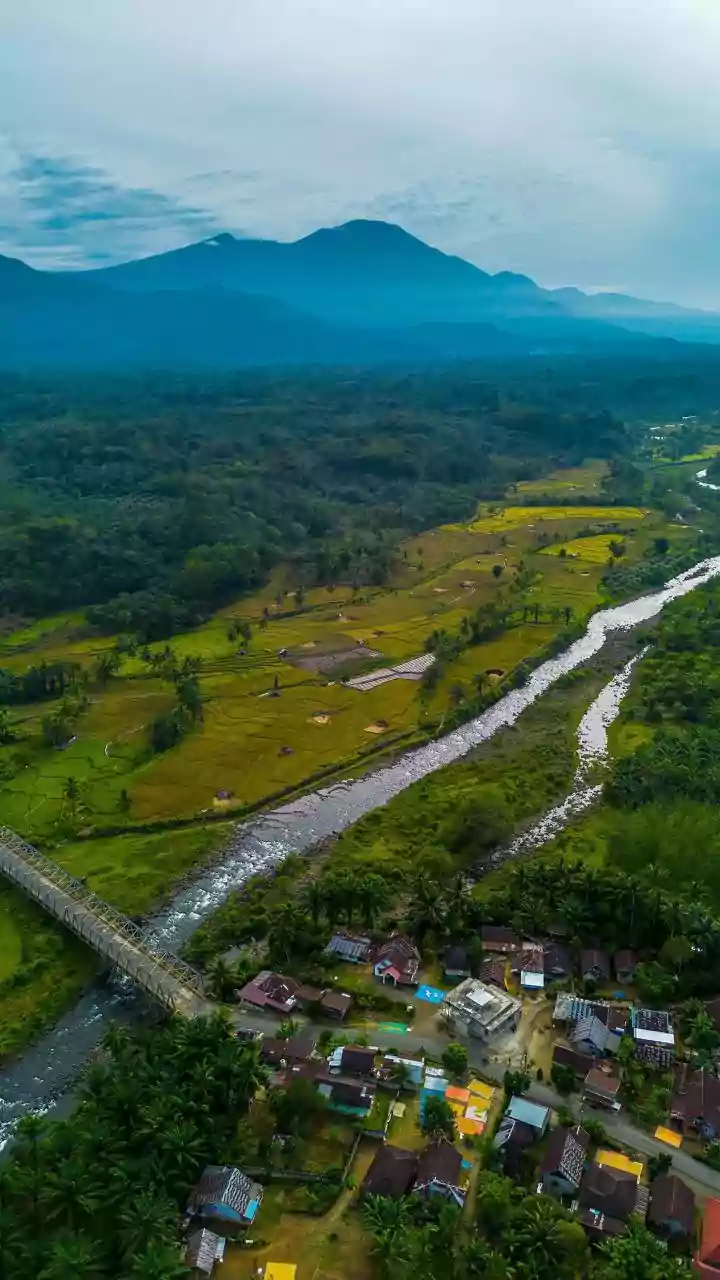
When a GLOF or a major landslide occurs, the disaster is far from over. The immense volume of water and debris is channeled into Nepal's characteristically narrow and deep river valleys. These valleys act like funnels, concentrating the destructive force of the flow and increasing its speed and power. There is often little time for communities downstream to react. What starts as a localized event high in the mountains can rapidly transform into a widespread flood disaster many kilometers away. This 'cascading hazard' effect means that infrastructure, such as crucial roads and hydropower projects, is often built in these high-risk corridors. Entire settlements located along riverbanks are exposed, with floods capable of sweeping away homes, inundating farmland, and cutting off communities for weeks.
A Worsening Crisis: Climate Change and Human Factors
Climate change is acting as a threat multiplier in Nepal's mountains. Not only is it accelerating glacial melt and increasing the GLOF risk, but it is also making monsoon rainfall more erratic and intense. This combination puts even greater stress on the nation's fragile landscape. While the country has made strides in developing early warning systems for floods, the scale and complexity of the challenges are immense. Systems for monitoring the thousands of potentially dangerous glacial lakes are still being developed, and reaching remote mountain communities with timely warnings remains a significant hurdle. With a large portion of the population living in high-risk zones due to historical settlement patterns and economic necessity, the combination of geography and a changing climate creates a continuous and growing threat to life and livelihood.