






Fatty Fish for Omega-3s
Fatty fish like salmon, mackerel, and sardines are celebrated for their high content of omega-3 fatty acids. These healthy fats are known for their potent anti-inflammatory properties. Studies show that omega-3s can help reduce the production of molecules
linked to inflammation, potentially leading to less joint stiffness and pain for those with conditions like rheumatoid arthritis and osteoarthritis. Incorporating fatty fish into your meals at least twice a week is a great goal. For those who aren't fans of fish, plant-based sources like flaxseeds, chia seeds, and walnuts are also excellent choices.
Colourful Berries for Antioxidants
Berries like blueberries, strawberries, and raspberries are more than just a sweet treat; they are antioxidant powerhouses. They are particularly rich in compounds called anthocyanins, which give them their vibrant red and blue colours. Research suggests that these antioxidants help fight inflammation and may protect joint tissues from damage by neutralizing harmful free radicals in the body. Adding a handful of fresh or frozen berries to your morning cereal, dahi, or smoothies is an easy and delicious way to support your joints.
Leafy Greens for Vitamins and Minerals
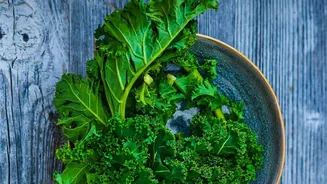
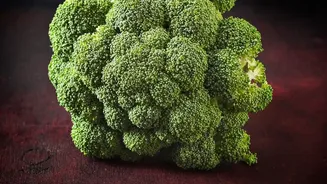
Dark leafy greens such as spinach, kale, and broccoli are fundamental to an anti-inflammatory diet. They are loaded with essential nutrients like vitamins C and K, as well as minerals and antioxidants. Some greens, like broccoli, contain a compound called sulforaphane, which has been studied for its potential to slow joint damage. These vegetables also provide fibre, which supports a healthy gut—a key factor in managing overall inflammation in the body.
Turmeric for its Curcumin Content
A staple in Indian kitchens, turmeric contains a powerful compound called curcumin. Curcumin is renowned for its strong anti-inflammatory effects and has been the subject of numerous studies related to joint pain. Research indicates that curcumin can block certain inflammatory enzymes and proteins, with some studies finding it comparable to over-the-counter anti-inflammatory drugs for relieving osteoarthritis symptoms, but with fewer side effects. To boost your body's absorption of curcumin, it's helpful to consume turmeric with a pinch of black pepper.
Ginger for Natural Pain Relief
A close relative of turmeric, ginger is another root that has been used for centuries in traditional medicine to combat pain and inflammation. The active compounds in ginger, such as gingerol, have been shown to reduce joint pain and inflammation associated with both osteoarthritis and rheumatoid arthritis. While it may not provide immediate relief like a painkiller, consistent, long-term consumption of ginger may help dull chronic pain over time. You can easily add fresh ginger to teas, soups, stir-fries, and curries to harness its benefits.
Nuts and Seeds for Healthy Fats
Nuts and seeds like walnuts, almonds, flaxseeds, and chia seeds are excellent sources of healthy fats, fibre, and antioxidants. Walnuts and flaxseeds are particularly high in alpha-linolenic acid (ALA), a plant-based omega-3 fatty acid that helps fight inflammation. Studies have linked the regular consumption of nuts and seeds with lower levels of inflammatory markers in the body. They make for a convenient and satisfying snack that supports both heart and joint health.
Extra Virgin Olive Oil
The type of fat you use in your cooking can significantly impact inflammation. Extra virgin olive oil is one of the healthiest choices, rich in monounsaturated fats and antioxidants. One key compound in olive oil, oleocanthal, has been noted for its anti-inflammatory effects, which some have compared to those of ibuprofen. Using it for sautéing vegetables or as a base for salad dressings is a simple swap that can contribute to better joint health.