





Understanding the Goal: More Than Just Touching Your Toes
Flexibility isn't a one-size-fits-all concept. It's broadly the range of motion in a joint or group of joints. This can be broken down into two main types. Static flexibility is the ability to hold a stretch, like a hamstring stretch, for a period. Dynamic
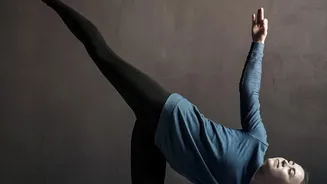
flexibility is the ability to move muscles and joints through their full range of motion during active movement, like swinging a leg. Both are crucial for preventing injury, improving posture, and making daily tasks easier. When choosing an activity, understanding which type of flexibility you want to improve is key. Are you looking for gentle, restorative lengthening, or functional mobility that supports powerful movements? This is where the comparison between Tai Chi and kayaking becomes fascinating.
Tai Chi: The Art of Gentle, Flowing Mobility
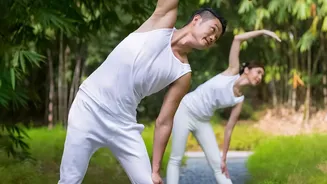
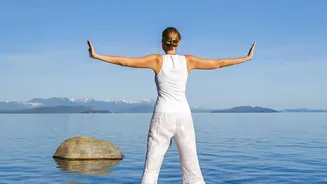
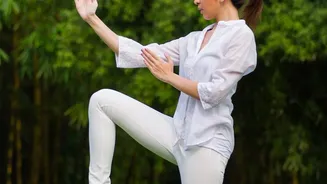
Often called 'meditation in motion', Tai Chi is an ancient Chinese practice consisting of slow, graceful, and continuous movements. Its approach to flexibility is gradual and profound. The practice focuses on moving all the major and minor joints through their full, natural range without force or strain. This is especially beneficial for improving joint mobility and reducing stiffness, particularly for those with conditions like arthritis or back pain. Tai Chi builds flexibility by warming up and relaxing tense muscles and connective tissues through fluid motions like shoulder circles and gentle rotations. It enhances what experts call proprioception, or your body's awareness of its position in space, which is critical for balance and preventing falls. Regular practice cultivates a combination of static and dynamic flexibility, improving your ability to move with control and ease.
Kayaking: Power, Rotation, and Functional Flexibility
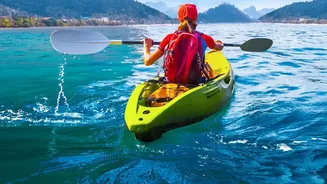
At first glance, kayaking seems to be all about upper-body strength. While it certainly builds strong back, shoulder, and arm muscles, the real power comes from the core. An efficient paddle stroke relies on torso rotation, engaging the obliques and abdominal muscles to power the kayak forward. This constant twisting motion is a fantastic form of dynamic flexibility training for the spine and core. Furthermore, maintaining balance and control in a kayak requires continuous engagement from the hips and legs, which helps improve functional mobility in the lower body. Though the movements are repetitive, they increase the range of motion in the shoulders and torso, which can enhance posture and reduce stiffness. This is a low-impact activity, meaning it's easier on the joints than exercises like running.
A Head-to-Head on Movement
The core difference lies in the nature of the movement. Tai Chi promotes whole-body coordination through slow, non-repetitive forms that take joints through their complete range of motion. It's a mindful practice designed to improve body awareness, balance, and gentle strength over time. Studies have shown it can significantly improve lower-body muscular endurance and reduce the risk of falls. Kayaking, on the other hand, develops flexibility through powerful, repetitive, and functional movements. The primary benefit is increased rotational mobility and strength in the torso and shoulders. This 'functional' flexibility directly translates to more powerful and efficient paddling and can protect against strain by engaging large muscle groups correctly. While Tai Chi offers a holistic approach to body awareness, kayaking builds resilience and mobility geared toward a specific, dynamic action.
The Verdict: Which Is Right for You?
As the headline suggests, there is no single winner for everyone. The best choice depends entirely on your personal fitness goals, lifestyle, and what you enjoy. Choose Tai Chi if your primary goals are: - Reducing stress and incorporating mindfulness into your routine. - Gently increasing overall flexibility and joint mobility, especially if you have joint pain or stiffness. - Improving balance, coordination, and body awareness to prevent falls. - A low-impact exercise that can be adapted for any fitness level. Choose kayaking if your primary goals are: - Building core strength and functional, rotational flexibility. - Getting a cardiovascular workout while being outdoors. - Improving upper-body and back strength in a low-impact way. - An activity that combines fitness with adventure and exploration.