





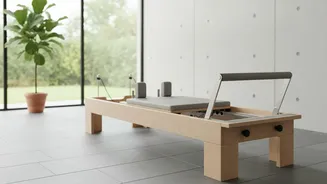

The Pilates Foundation: Control and Stability
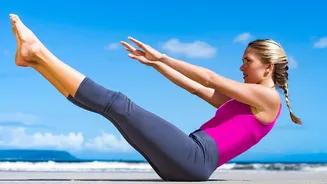
Pilates is a low-impact exercise method renowned for its focus on the body's 'powerhouse'—the deep muscles of the abdomen, lower back, hips, and pelvis. It emphasizes precision, control, and concentration in every movement. This approach is exceptional
for building foundational core strength, improving posture, and enhancing flexibility. Rather than focusing on superficial muscles, Pilates targets the deep stabilizing muscles that support your spine. A strong, stable core allows for a greater and safer range of motion in all other activities, making everyday movements feel more fluid and effortless.
The Circuit Surge: Power and Intensity
Circuit training sits on the opposite end of the intensity spectrum. It involves performing a series of different exercises for short durations with minimal rest in between. This format is excellent for boosting cardiovascular health, burning calories, and building muscular endurance. When applied to the core, circuit training often involves dynamic, high-energy movements like mountain climbers, plank jacks, or bicycle crunches. This intensity challenges the larger, more superficial core muscles, helping to build visible definition and explosive power that complements the deep stability developed through Pilates.
The Synergy: Why This Combination Is So Effective
Combining Pilates and circuit training creates a well-rounded fitness approach that delivers comprehensive results. Think of it as a yin-and-yang relationship for your core. Pilates builds the strong, stable foundation, teaching your muscles control and endurance. It improves your body awareness and alignment, which helps prevent injury when performing higher-impact activities. Circuit training then adds the 'yang'—the power, speed, and cardiovascular challenge that Pilates generally lacks. This dynamic pairing ensures you are developing a core that is not just strong, but also flexible, resilient, and capable of performing both controlled and explosive movements efficiently and safely.
Structuring Your Week for a Balanced Core
Integrating these two distinct modalities into your routine is simpler than it sounds. The key is balance and recovery. A great starting point is to dedicate two to three days a week to each discipline, with at least one full rest day. You can alternate days to give specific muscle groups time to recover. For example, a Pilates session on Monday can focus on stability and mobility, preparing your body for a high-intensity core circuit on Tuesday. Some fitness professionals follow a similar structure, combining multiple strength or circuit days with two Pilates sessions per week to ensure a balanced approach to strength, cardio, and flexibility. This prevents burnout while ensuring you reap the benefits of both intensity and control.
A Sample Weekly Integration Plan
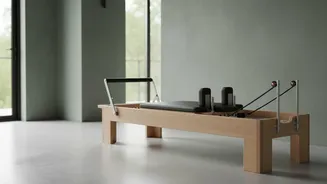
For a balanced routine, consider a structure that allows for both work and recovery. Here is a sample schedule you can adapt: Monday: Pilates Session (45-60 minutes). Focus on classic mat or reformer exercises like The Hundred, Roll Up, and Leg Circles to activate deep core muscles. Tuesday: Circuit Training (30 minutes). Include high-intensity core exercises like jump squats, push-ups, and lateral jumps. Wednesday: Active Recovery or Light Cardio. A brisk walk, gentle yoga, or stretching. Thursday: Pilates Session (45-60 minutes). Emphasize spinal mobility and hamstring flexibility with moves like the Spine Stretch and The Saw. Friday: Full-Body Circuit Training (30-45 minutes). Incorporate compound movements that engage the core, such as dumbbell squats and kettlebell swings. Saturday: Light Activity. Perhaps a long walk or a recreational sport. * Sunday: Rest. Allow your body to fully recover and rebuild.