




Deconstructing the Humble Bowl
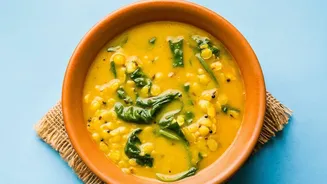
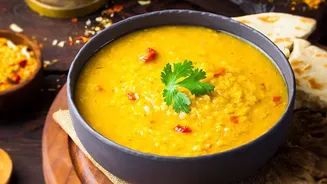
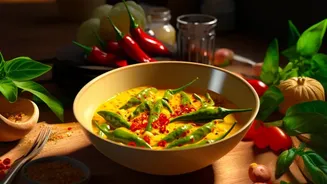
At its heart, the soup is a simple combination of two nutritional powerhouses: drumsticks (from the Moringa oleifera tree) and lentils (dal). The drumstick, often called a 'miracle vegetable', brings a wealth of vitamins and minerals to the table, while
the dal provides a solid foundation of plant-based protein and fibre. Most recipes, whether using moong dal or masoor dal, also incorporate a host of digestive-friendly spices like cumin, ginger, turmeric, and black pepper, each adding its own layer of subtle health benefits. This combination makes the soup more than just a light meal; it's a carefully balanced blend of macro and micronutrients.
The Power of the Drumstick
The drumstick, or moringa, is the star ingredient, and for good reason. It is packed with an impressive array of nutrients. Moringa is a rich source of Vitamin C, which is crucial for a strong immune system, and also contains significant amounts of iron, calcium, magnesium, and Vitamin K. These minerals are vital for bone health, making the soup a beneficial addition for older adults and women. Studies have noted that compounds in moringa may also help in regulating blood sugar levels and lowering cholesterol, attributing these effects to its fibre and unique compounds like isothiocyanates. When cooked with ingredients like tomatoes or a squeeze of lemon juice, the Vitamin C helps enhance the absorption of iron, combating fatigue.
The Vital Role of Dal
While moringa gets much of the attention, the dal provides the soup's satisfying substance and a host of its own benefits. Lentils, whether moong, masoor, or toor, are an excellent source of plant-based protein and dietary fibre. A single serving can offer a significant amount of your daily fibre needs, which aids digestion, promotes regular bowel movements, and feeds beneficial gut bacteria. The combination of protein and fibre makes the soup incredibly satiating, helping you feel full and satisfied on relatively few calories, which is excellent for weight management. Adding dal turns a simple broth into a more complete meal, providing sustained energy.
A Symphony of Health Benefits
When combined, these ingredients create a soup that offers holistic benefits. Its anti-inflammatory properties, thanks to compounds from both moringa and spices like turmeric, can help manage chronic inflammation. The soup is traditionally recommended for recovery from illness because it's gentle on the digestive system while delivering essential nutrients. The high fibre content supports gut health, while the rich antioxidant profile from moringa helps the body combat oxidative stress. For pregnant women, the soup can be a great source of folate, iron, and calcium, supporting both maternal and fetal health.
Does Preparation Change Everything?
This is where much of the 'discussion' lies. While the core ingredients are healthy, the preparation method is key. A soup loaded with ghee, cream, or excessive oil will have a vastly different nutritional profile. To maximize benefits, it’s best to use minimal oil and let the vegetables and spices provide the flavour. Over-boiling the drumsticks can also degrade some of the heat-sensitive vitamins. The most nutritious versions are often pressure-cooked to retain nutrients, then blended and strained to create a smooth, easily digestible soup. Adding a variety of vegetables like carrots and tomatoes can further enhance its nutritional value without adding unnecessary calories.
Myths and Sensible Considerations
Moringa is often hailed as a 'superfood' capable of curing diseases, but it's important to separate hype from reality. While it supports health, it is not a magic cure for obesity or diabetes. Some myths also suggest it might be harmful, but most concerns are related to consuming large, concentrated amounts of the bark or root, not the pods or leaves in a soup. Pregnant women, in particular, should avoid the bark, root, or flowers in large quantities, though the leaves and pods in culinary amounts are generally considered safe. As with any food, moderation is key. Overconsumption could lead to digestive discomfort due to the high fibre content.