






The festive lights have dimmed, but the feeling of indulgence lingers. After days of sweets and savouries, the urge to 'detox' is strong. But a cardiologist’s advice for resetting your body is simpler and kinder: start with your water bottle.
Ditch the 'Detox' Myth
The days
following Diwali often bring a wave of guilt and a desire for a quick fix. Many turn to extreme 'detox' diets, juice cleanses, or complete fasting, hoping to undo the festive damage. However, experts caution against this approach. Such drastic measures can be counterproductive, leading to weakness, fatigue, and nutrient deficiencies. Your body already has a highly efficient detoxification system run by the liver and kidneys. Instead of shocking your system, the goal should be to support these natural processes. A cardiologist's approach isn't about punishment or deprivation; it’s about gently guiding your body back to a state of balance. This means returning to simple, whole foods and regular routines, not engaging in extreme behaviours that can cause more stress.
Hydration: The Heart of Recovery
The cornerstone of any post-festival recovery plan is hydration. Festive foods are often high in salt and sugar, which can leave you feeling bloated and sluggish. Water is essential for helping your kidneys flush out excess sodium and for aiding digestion. From a cardiovascular perspective, proper hydration is non-negotiable. When you're dehydrated, your blood volume decreases, causing your blood to thicken. This forces your heart to work harder to pump blood throughout your body, which can increase your heart rate and blood pressure. Cardiologists emphasise that staying well-hydrated helps the heart pump blood more easily, reducing strain on your entire cardiovascular system. Aiming for at least 8 glasses of water a day helps regulate body temperature, transport nutrients, and remove waste, all of which are crucial after a period of overindulgence. Adding fresh mint or lemon to your water can make it more refreshing and appealing.
Rebalance Your Plate Gently
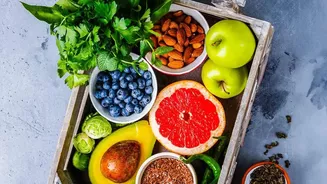
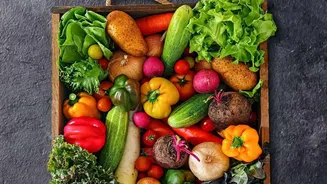
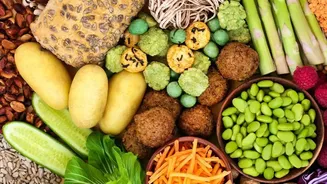
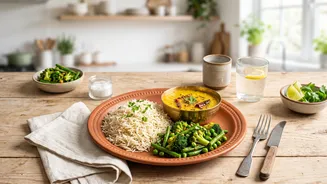
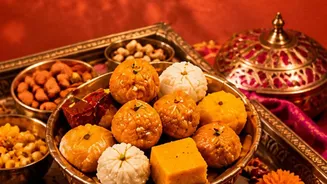
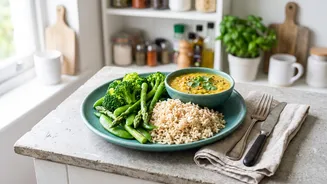
After days of rich, fried foods and sugary mithai, your digestive system needs a break. The goal isn't to starve yourself but to reintroduce nutrient-dense foods. Focus on a balanced plate that includes whole grains, lean proteins, and plenty of fruits and vegetables. These foods are rich in fibre, which aids digestion, helps manage cholesterol, and keeps you feeling full, reducing the urge to snack on leftover Diwali treats. A cardiologist-approved diet would include things like oats, beans, lentils, fish, and lean poultry, while limiting processed foods, saturated fats, and, of course, excess sugar and salt. Try to fill half your plate with vegetables at every meal. This approach supports not just post-festive recovery but long-term heart health.
Embrace Gentle Movement
The temptation to become a couch potato after a big meal is strong, but even light physical activity can make a significant difference. A gentle walk after a meal helps promote digestion and can help lower blood sugar levels. You don’t need to engage in a high-intensity workout to see benefits; in fact, overdoing it can increase your appetite. Regular, moderate exercise is a pillar of cardiovascular health. It helps with weight management, improves circulation, and strengthens the heart muscle. Rather than viewing exercise as a way to 'burn off' festive calories, think of it as a way to support your body's return to normalcy and reduce feelings of sluggishness.
Prioritise Rest and Sleep
The festive season often involves late nights, which can disrupt your sleep cycle. Lack of sleep is linked to poor heart health, including higher blood pressure. It can also interfere with the hormones that regulate appetite, making you more likely to crave unhealthy foods. As you focus on getting your diet and hydration back on track, don't neglect your sleep. Aim for seven to eight hours of quality sleep per night. This allows your body, including your heart, to rest and repair. Restablising a regular sleep schedule is a simple but powerful step in your post Diwali recovery helping to reduce stress and support your overall well being.