





A Shift in the Travel Itinerary
A delicious transformation is underway in Indian tourism. Once, food was a happy bonus to a travel itinerary focused on monuments and mountains. Today, it’s the main event. A significant portion of travellers, both domestic and international, now choose
their destinations based on the local cuisine. This shift has given rise to a thriving culinary tourism market, projected to grow at a staggering rate. One forecast predicts the market could expand from around USD 15.9 billion in 2026 to USD 67.7 billion by 2036. This growth isn't just about fine dining; it's powered by a hunger for authenticity, found simmering in the heart of the country’s bustling street food lanes and the intimate settings of regional kitchens.
The Irresistible Pull of Street Food
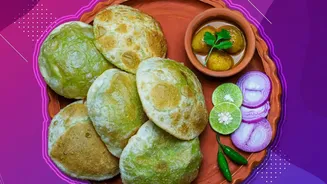
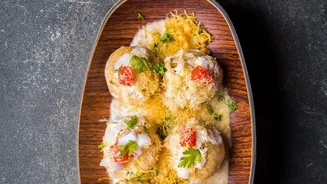
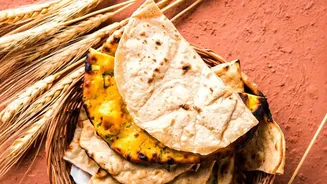
India’s street food hubs are legendary, offering a sensory overload of sights, sounds, and, most importantly, flavours. Cities like Delhi, Mumbai, Kolkata, and Indore have become pilgrimage sites for food lovers. In Delhi's Chandni Chowk, you can taste history in the parathas from stalls that have operated for generations. In Indore's Sarafa Bazaar, a jewellery market by day transforms into a vibrant food street by night, offering unique delights like Khopra Patties and Bhutte ka Kees. These hubs are more than just a collection of food stalls; they are living cultural centres where travellers can experience the pulse of a city one bite at a time. The accessibility and affordability of street food make it a democratic and authentic way to connect with local life, a key driver for modern tourists.
The Quiet Rise of Regional Kitchens
While street food provides the sizzle, a quieter but equally powerful movement is happening with the rise of regional kitchens. Travellers are increasingly seeking out hyper-local dishes that go beyond the standard restaurant fare. This has created an opportunity for home chefs and small-scale entrepreneurs to turn their passion into a profession, offering meals that tell a story of their community. Whether it's a home-cooked Wazwan feast in Kashmir, a Malvani seafood thali on the Konkan coast, or a tasting of Naga cuisine's fiery flavours, these experiences offer a deep dive into India's incredible culinary diversity. This trend is a return to roots, celebrating heirloom recipes and cooking techniques that have been passed down through generations, offering tourists a taste of India they can’t find anywhere else.
The Digital Tastemakers
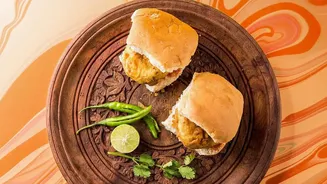
This culinary boom is being amplified and accelerated by social media. Food bloggers and Instagram influencers have become digital tastemakers, shaping the desires of millions. A mouth-watering reel of Mumbai's vada pav or a detailed blog post on a hidden gem in Hyderabad can spark travel plans. Hashtags like #foodporn and #foodgasm create a global, visual menu that inspires food-centric journeys. This digital exposure has been particularly crucial for smaller, regional kitchens and street vendors, giving them a platform to reach a national and even international audience without a big marketing budget. For today's traveller, a well-curated Instagram feed is as essential as any travel guide.
More Than Just a Meal
The growth of culinary tourism has a profound impact that extends beyond the plate. It creates economic opportunities for local vendors, farmers, and guides, channeling tourist spending directly into communities. Government bodies have also recognised this potential, with initiatives like the 'Incredible India' campaign and events such as 'World Food India' increasingly highlighting the country's culinary heritage to attract visitors. By focusing on food, travellers are not just consuming a meal; they are engaging with local culture, preserving culinary traditions, and supporting sustainable, community-level growth. This trend proves that sometimes the most authentic and impactful travel experience is as simple as sharing a meal.