


The Problem with Standard Vacuums
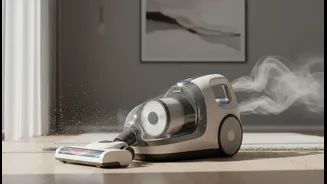
A conventional vacuum cleaner is effective at picking up visible dirt, crumbs, and hair. However, its filtration system often falls short when it comes to microscopic particles. The very act of vacuuming agitates settled dust, and a standard filter may
simply exhaust the smallest particles—like pollen, pet dander, and dust mite allergens—back into the room. This can temporarily worsen indoor air quality, which is particularly concerning for individuals with allergies or asthma. Essentially, while the floor looks cleaner, the air you breathe might be filled with the very irritants you were trying to remove.
What 'HEPA' Really Means
HEPA stands for High-Efficiency Particulate Air. It’s not a brand name, but a strict efficiency standard. To be certified as a 'True HEPA' filter in the United States, it must be proven to trap 99.97% of airborne particles that are 0.3 microns in size. This specific size is used for testing because it is one of the most difficult particle sizes for a filter to capture. HEPA filters use a dense, web-like mat of fine fibers to trap these tiny particles through a combination of interception, impaction, and diffusion, preventing them from being recirculated. Consumers should be wary of terms like 'HEPA-type' or 'HEPA-style,' which sound similar but do not meet this certified standard of filtration.
Why a Sealed System is Crucial
A HEPA filter is only as good as the vacuum it’s in. The most critical feature to look for, beyond the filter itself, is a 'sealed system.' A sealed system ensures that all the air sucked into the vacuum is forced to pass through the HEPA filter before it is exhausted. In a poorly sealed vacuum, dusty air can leak through cracks in the casing, around the filter housing, or through other weak points, bypassing the filter entirely. This means allergens and fine dust are expelled back into your home. A truly effective HEPA vacuum is an airtight machine where the filter is the only exit point for air, guaranteeing that what goes in, stays in.
Who Benefits Most from a HEPA Vacuum?
While anyone can appreciate cleaner air, vacuums with true HEPA filtration and sealed systems are most beneficial for certain groups. Individuals with allergies, asthma, or other respiratory conditions often experience a noticeable reduction in symptoms. By capturing common triggers like pollen, mold spores, pet dander, and dust mite debris, these vacuums help create a healthier indoor environment. Households with pets, young children, or anyone particularly sensitive to dust will also find them to be a worthwhile upgrade for maintaining better air quality.
What to Look for When Buying
When shopping for a HEPA vacuum, don't just stop at the filter. First, confirm it uses a 'True HEPA' filter that meets the 99.97% at 0.3 microns standard. Second, look for explicit mentions of a 'sealed system' or 'airtight construction.' Third, consider the disposal method. Bagged vacuums are often recommended for allergy sufferers because they contain the dust and allergens within a self-sealing bag, minimizing exposure when you empty the machine. Bagless models can release a cloud of fine dust upon emptying, potentially undoing some of your cleaning efforts. Finally, regular maintenance is key; filters need to be cleaned or replaced according to manufacturer instructions to maintain performance.