

A Perfect Storm of Popularity
Morocco's tourism sector is booming. The country has seen a massive surge in visitors, with recent years shattering pre-pandemic records. By the end of September 2026, Morocco had already welcomed 15.7 million tourists, a significant increase from the previous
year. This growth is no accident; it's the result of a concerted government effort to promote tourism, expand airports in cities like Marrakech and Fez, and improve infrastructure like Africa's fastest train. This, combined with its reputation as a safe, affordable, and exotic destination just a stone's throw from Europe, has made it irresistible to travelers worldwide.
The Instagram Effect on Ancient Streets
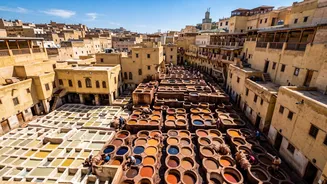
Social media has turned specific locations into global pilgrimage sites. The blue-washed streets of Chefchaouen, the leather tanneries of Fes, and Marrakech's Jardin Majorelle are not just attractions; they are photo backdrops that travelers are determined to capture. This creates bottlenecks, as visitors flock to the same few highly photogenic spots, often waiting in line for a single, iconic shot. While digital platforms have given a voice to local artisans and guides, they have also concentrated tourist foot traffic in ways the ancient medinas were never designed to handle, turning narrow alleys into human traffic jams.
Old Infrastructure, New Demands
The very thing that makes Moroccan cities so charming—their ancient, maze-like medinas—is also a source of congestion. These historic city centers, with their narrow, winding passageways, were built for residents, donkeys, and handcarts, not the steady flow of thousands of daily visitors. While efforts are being made to cope, infrastructure in many popular areas is struggling to keep up with the demand for accommodation, transport, and public services, a problem even Moroccan officials acknowledge as they prepare for a further influx for the 2030 World Cup.
How to Beat the Crowds
Experiencing Morocco's wonders without the crush is still possible with smart planning. One of the best strategies is to travel during the shoulder seasons—spring (March to May) and autumn (September to November). The weather is pleasant, and the crowds are more manageable than during the summer and winter holiday peaks. For popular attractions like the Jardin Majorelle in Marrakech or the Hassan II Mosque in Casablanca, timing is everything. Arrive right at opening time or in the late afternoon just before closing to enjoy a more serene experience. Hiring a licensed local guide can also be invaluable; they know the shortcuts, the quietest times to visit, and can navigate the souk's beautiful chaos with ease.
Explore Beyond the Obvious
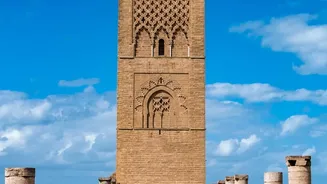
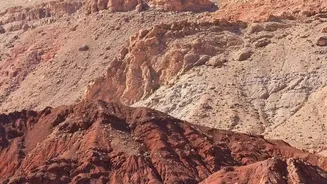
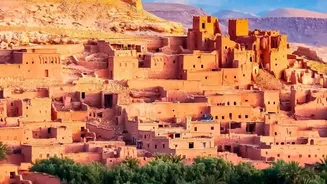
While Marrakech, Fes, and Chefchaouen are popular for a reason, Morocco offers incredible diversity. Consider exploring less-congested but equally enchanting cities. The coastal town of Essaouira offers a laid-back vibe, while the capital, Rabat, has its own impressive kasbah and a cleaner, calmer medina. For those seeking adventure, the Atlas Mountains offer world-class trekking opportunities and a glimpse into Berber culture far from the city bustle. Even within popular cities, wandering just a few streets away from the main thoroughfares can lead you to quiet squares, local bakeries, and authentic artisan workshops.
Embrace the Energy
Finally, it's helpful to adjust your mindset. The energy of a bustling souk is a core part of the Moroccan experience. Instead of fighting the current in Djemaa el-Fna square at dusk, find a rooftop café, order a mint tea, and watch the spectacle unfold from above. The cacophony of sounds, the vibrant colors, and the sheer number of people are all part of the living tapestry of Moroccan culture. A souk is not meant to be a quiet, orderly shopping mall; its lively, sometimes overwhelming, nature is a feature, not a bug. With a little patience and a sense of adventure, you can learn to navigate and appreciate the beautiful chaos.