



A European Foothold in Africa
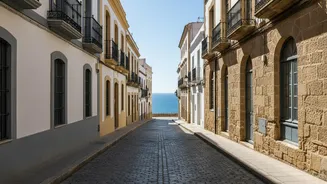
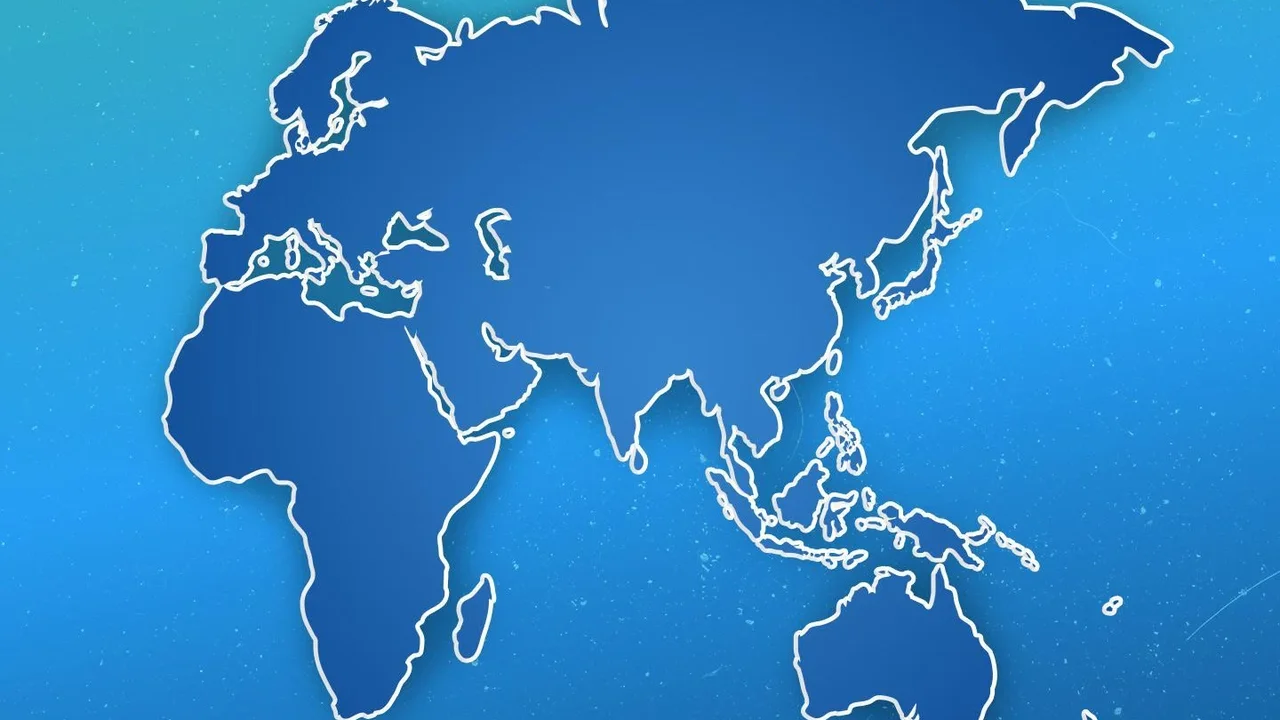
Ceuta, along with its sister city Melilla further east, is one of two Spanish autonomous cities on the North African coast. These territories, under Spanish rule for centuries, are remnants of a colonial past but are now integral parts of modern Spain
and, by extension, the European Union. This unique status makes their borders with Morocco the only land frontiers between the EU and Africa. For migrants and asylum seekers from across the African continent, this geographical anomaly represents the most direct, albeit perilous, path to European soil without crossing the Mediterranean Sea. The cities have populations of over 80,000 each and exist in a complex state of codependence with their Moroccan neighbours, with thousands of Moroccans historically crossing daily for work.
The Perilous Border
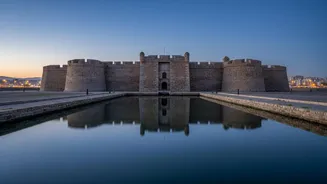
The border is not merely a line on a map. In both Ceuta and Melilla, it is a formidable physical barrier. The Ceuta border fence is an 8.4-kilometre structure consisting of parallel six-metre-high fences topped with barbed wire. It is a high-tech fortification, complete with watchposts, underground sensors, spotlights, and a constant patrol by Spanish Guardia Civil. Despite these measures, people have long attempted to scale the fences or swim around the breakwaters that extend into the sea. These attempts are often fraught with danger. A recent mass crossing in late July 2026 saw an estimated 72,000 people breach the border into Ceuta over a 48-hour period, the largest in its history. Many swam around the coastal barriers, leading to dozens of deaths from drowning or stampedes.
A Diplomatic Pressure Point
The flow of migrants is often intertwined with the delicate diplomatic relationship between Spain and Morocco. Morocco has long maintained a sovereignty claim over the enclaves, which it refers to as 'Sebtah' and 'Melilah'. Analysts and even former Spanish diplomats suggest that Morocco can use migration as a lever, relaxing its border controls to create a crisis for Spain and the wider EU. A massive influx of 8,000 people in May 2021 was widely seen as retaliation after Spain provided medical treatment to the leader of a Western Saharan independence movement. The colossal surge in July 2026 has again raised questions about the level of cooperation from Moroccan authorities, turning human lives into bargaining chips in a complex geopolitical game.
Life in Limbo
For those who successfully cross into Ceuta, the ordeal is far from over. The city’s reception facilities are regularly overwhelmed, forcing thousands to live in precarious conditions. Following the July 2026 surge, many were left sleeping on beaches or streets, facing intense heat during the day and cold at night with little access to food, water, or sanitation. While the Spanish government stated that a vast majority of those who crossed were quickly returned to Morocco, several thousand remained, including a significant number of unaccompanied children who cannot be legally deported. These individuals exist in a state of limbo, their futures uncertain as local authorities struggle to cope and political battles rage between Spain's central government and regional leaders over who should take responsibility.
Europe's Border Paradox
The situation in Ceuta is a microcosm of the EU's broader migration dilemma. While Ceuta and Melilla are part of the EU, they are not within its customs union or the border-free Schengen Area, creating a unique legal status. The recurring crises highlight the deep divisions among EU member states on issues of border security, responsibility-sharing, and asylum policy. Events in Ceuta trigger reactions across the continent, with some nations calling for tougher controls and others emphasizing humanitarian obligations. Spain has responded to the latest crisis by planning a new floating barrier at sea, further hardening the border. Ultimately, this small Spanish city on African soil forces a confrontation with the fundamental questions facing Europe: how to manage its borders while upholding its values.