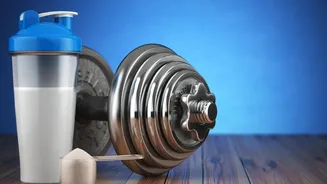








You've likely seen it on social media: 'proffee,' the viral trend of mixing protein powder into coffee. It promises a convenient energy and muscle-building boost in one cup, but what does this popular combination actually do for your body?
What Exactly Is Protein Coffee?
At its core,
protein coffee is a simple blend of brewed coffee or espresso combined with either a scoop of protein powder or a pre-made protein shake. The goal is to merge the caffeine kick that powers your morning with a substantial dose of protein, an essential macronutrient for muscle repair, satiety, and overall body function. The trend has exploded in popularity as a quick solution for busy professionals and fitness enthusiasts looking to streamline their morning routine and hit their daily nutrition goals without preparing a separate meal or shake.
The Claimed Benefits
Advocates of proffee point to a host of potential benefits. The primary appeal is convenience—it combines two morning rituals into one. Proponents claim it helps them feel full for longer, which can aid in weight management by reducing the urge to snack later in the day. The combination of caffeine for an energy boost and protein for muscle repair also makes it a popular pre- or post-workout beverage. For those who often skip breakfast, adding protein to coffee can be an easy way to ensure they are getting this crucial nutrient to start their day.
What the Experts Say
Nutritionists and dietitians generally agree that protein coffee can be a useful tool for some, but it isn't a magic bullet. It successfully increases your protein intake, which is beneficial for satiety and muscle maintenance. One concern that often arises is whether coffee interferes with protein absorption. Current scientific evidence suggests that caffeine does not significantly block your body's ability to absorb and use protein. In fact, the heat from coffee might even slightly help by denaturing the protein, potentially making it easier to digest. However, experts caution that most people already get enough protein from their diet, making the addition unnecessary for the average person.
Potential Downsides and Considerations
Before you rush to add a scoop to your morning brew, there are several potential drawbacks to consider. Many protein powders contain added sugars, artificial sweeteners, fillers, and other additives that can negate the health benefits. Some may even contain contaminants like heavy metals, so choosing a reputable brand is crucial. Another common complaint is digestive discomfort, such as bloating, gas, or an upset stomach, especially from whey-based proteins in those with dairy sensitivities. The taste and texture can also be an issue, with some powders creating a gritty or clumpy consistency in hot coffee. Finally, while the trend is popular as a pre-workout, the combination of caffeine (a stimulant) and protein (which takes longer to digest) can sometimes lead to bloating or nausea during exercise for some individuals.
Is It a Worthy Breakfast Replacement?
While proffee can serve as a quick on-the-go option, most nutrition experts advise against consistently using it as a replacement for a balanced meal. Whole foods like eggs, Greek yoghurt, or lean meats provide a wider array of essential nutrients, including vitamins, minerals, and fibre, that are often missing from processed protein powders. A whole-food breakfast offers more comprehensive nutritional benefits. Protein coffee is best viewed as a supplement or a snack to help you meet specific fitness goals, rather than the foundation of your daily nutrition. If you struggle to eat breakfast, it can be a better-than-nothing option, but a well-rounded meal remains the superior choice.