




Covering the Unpredictable: Your Insurance Shield
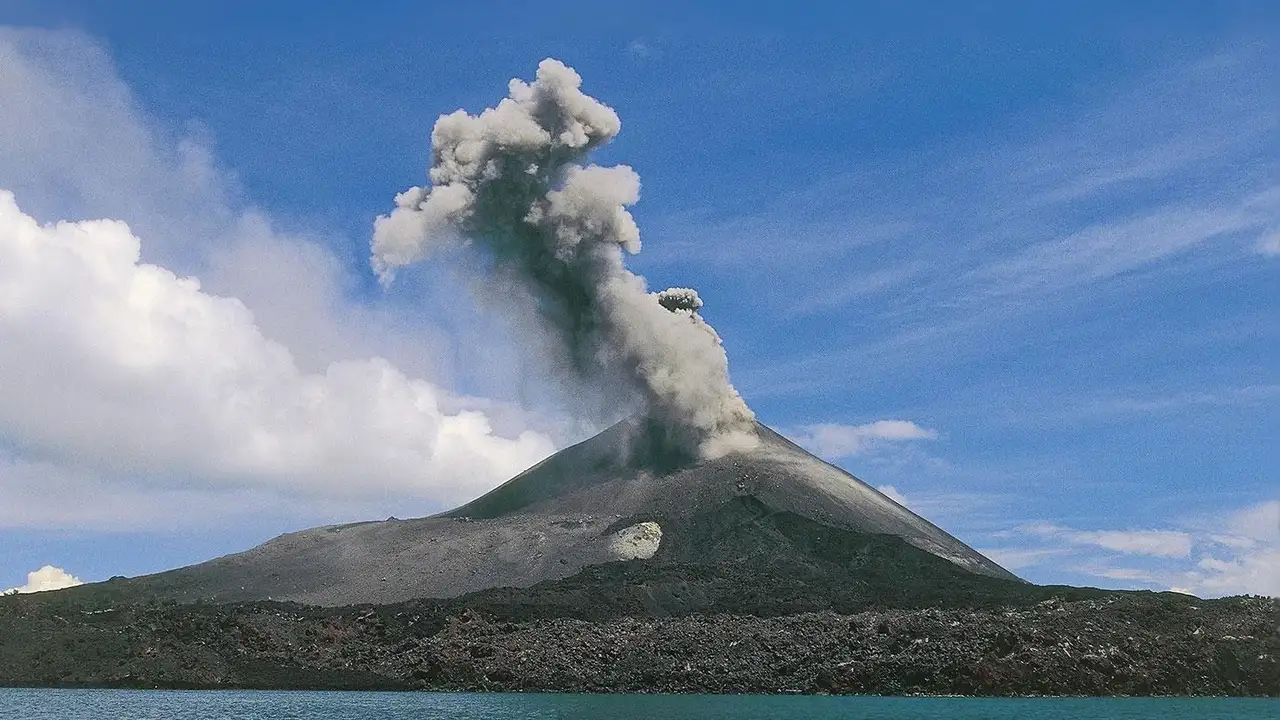
Standard travel insurance might not be enough when you're dealing with the whims of a volcano. A volcanic eruption can lead to flight cancellations due to ash clouds, mandatory evacuations, or closed-off destinations, scenarios that require specific coverage.
When shopping for a policy, look for plans that explicitly name 'natural disasters' or 'volcanic eruptions' as covered reasons for trip cancellation and interruption. This allows you to recover non-refundable costs if your trip is cancelled beforehand or cut short. Also, ensure the plan includes Trip Delay benefits, which can cover accommodation and meals if you're stranded. Importantly, you must purchase the policy before an eruption becomes a 'foreseen event' in the news, otherwise your claim may be denied. For those planning to hike or engage in activities near the volcano, check for an 'adventure sports' rider, as some insurers classify volcano trekking as a high-risk activity.
Gearing Up for the Ascent: The Essentials
The gear you carry can make the difference between a memorable trek and a miserable ordeal. Sturdy, close-toed hiking boots with good grip are non-negotiable for navigating sharp, uneven volcanic rock. Dress in layers; temperatures can change dramatically from the base to the summit. A waterproof and windproof outer layer is crucial. For your safety, respiratory protection is key. Volcanic environments can have hazardous gases and ash. Pack N95-style masks to protect your lungs and goggles for your eyes. A headlamp or flashlight is essential for early morning starts or late descents. In your backpack, you should also have a first-aid kit, a portable power bank, high-energy snacks, and more water than you think you'll need—at least two litres per person. Finally, carry a reliable communication or navigation device, but always have a physical map as a backup, as electronic signals can be unreliable in remote areas.
Your Ground Game: Guides and Information
Never underestimate the power of local knowledge. Hiring a certified, reputable local guide is one of the most important safety decisions you can make. They understand the terrain, know the safe viewing spots, and are trained to spot subtle changes in the volcano's activity. Before your trip, and each day you are there, check official sources for volcanic activity reports. Organisations like the U.S. Geological Survey (USGS) and local geological services provide real-time updates and alert levels. Always respect these warnings. Heed all signs and never enter restricted areas. These zones are closed for a reason—often due to risks that aren't visible, such as toxic gases or unstable ground. Sticking to marked trails and designated overlooks ensures not only your safety but also helps protect the fragile volcanic landscape.
The 'What If' Factor: Your Backup Plan
A great adventure requires flexibility. A backup plan isn't about expecting failure; it's about being prepared for anything. A volcano might increase its activity, or the weather might turn, making your primary objective impossible. Before you leave, research alternative activities and attractions in the region. Having a Plan B, or even a Plan C, can turn a potential disappointment into a new adventure. Make your travel bookings as flexible as possible, opting for refundable flights and accommodation where you can. Keep a digital and physical copy of all your important documents, including passports, insurance details, and emergency contacts. Share your detailed itinerary with someone at home before you leave. This plan should include your intended routes, your guide's contact information, and your backup options. This simple step ensures that if something does go wrong, someone knows where to begin looking.