




The Science of a Soggy Veggie
To defeat the mush, you first have to understand it. Vegetables are mostly water. When they are frozen, this water turns into ice crystals. These crystals are sharp and expand, puncturing and damaging the vegetable's cellular walls. When the vegetable is later
thawed or cooked, the water from these ruptured cells leaks out, resulting in a much softer, often soggy, texture compared to its fresh counterpart. This is why a thawed tomato becomes watery and limp. While you can't prevent this process entirely, the right cooking method can work around it, quickly evaporating that excess moisture to preserve as much texture and 'bite' as possible.
The Golden Rule: Don't Thaw
It may feel counterintuitive, but for most recipes, you should cook vegetables straight from the freezer. Thawing vegetables before cooking allows the damaged cell walls to release their water, creating a mushy texture before they even hit the pan. Cooking them from frozen helps that excess moisture evaporate quickly as steam, which is key to a better final result. Unless a recipe specifically calls for thawing — which is rare and usually for dishes like purees or dips where texture isn't a concern — your best bet is to take them directly from the freezer to the fire.
Embrace High Heat: Roasting and Air Frying
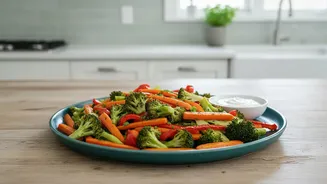
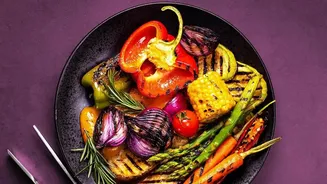
High, dry heat is a frozen vegetable's best friend. Roasting transforms vegetables, caramelizing their natural sugars and producing crispy, delicious edges. To do it right, preheat your oven to a high temperature, around 200-220°C. Tossing the frozen vegetables in a bit of oil and seasoning before spreading them in a single, uncrowded layer on a baking sheet is crucial. Overcrowding the pan will cause the vegetables to steam instead of roast, leading to sogginess. For an even better result, preheat the baking sheet in the oven; the sizzle when the cold vegetables hit the hot pan helps drive off moisture immediately. The same principles apply to air frying, which offers a faster route to a crispy finish.
The Perfect Sauté: Fast and Flavorful
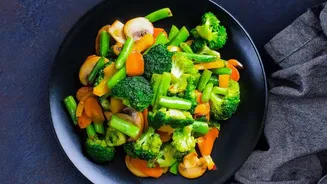
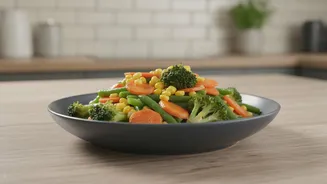
Sautéing is another excellent high-heat method that preserves texture, especially for vegetable medleys destined for stir-fries or pasta dishes. The key is to get your pan very hot before adding the frozen vegetables. Add a little oil, and once it's shimmering, add the vegetables. Cook them uncovered, stirring frequently, for about five to seven minutes. The goal is to cook them quickly so they become tender-crisp, not waterlogged. As with roasting, avoid overcrowding the pan, as this will lower the temperature and cause steaming. If you're cooking a large quantity, it's better to do it in two separate batches.
Smarter Steaming: Tender, Not Tepid
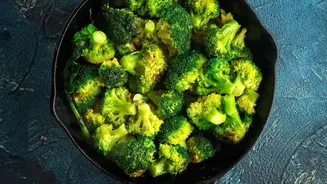
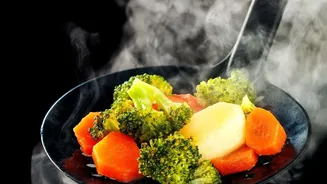
Steaming can be a healthy option, but it's also where things often go wrong. The goal is to use the steam, not the water itself. Use a steamer basket placed over a pot of boiling water, ensuring the water level is low enough that it doesn't touch the vegetables. Once the water is at a rolling boil, add the frozen vegetables to the basket, cover the pot, and steam for a short time. Smaller vegetables like peas and corn may only need two to five minutes, while larger pieces like broccoli or cauliflower florets might take five to seven minutes. The key is to avoid overcooking, which turns them bland and mushy.
Methods to Use with Caution
Boiling and microwaving are the most common culprits behind mushy vegetables because they are wet cooking methods. Boiling, in particular, not only ruins the texture but also leaches out water-soluble nutrients into the cooking water. If you must microwave, it's best to use the specially designed steamer bags that many frozen vegetables now come in. These are engineered to control the moisture and steam the vegetables properly. If using a regular bowl, use as little water as possible and be careful to drain any excess liquid immediately after cooking to prevent the veggies from sitting in it and getting soggy.