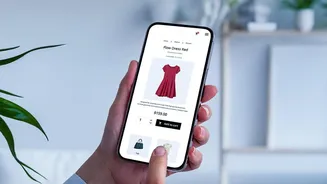







First, Find the Policy Page
Before you even add an item to your cart, your first mission is to locate the seller's return and exchange policy. Reputable online stores make this easy to find. Scroll to the footer of the website—that's the very bottom of the page—and look for links
like "Returns," "Exchanges," "Customer Care," or "FAQ." If you can't find a dedicated policy page and it's not mentioned in a help section, consider that a major red flag. A transparent seller will always clearly state their terms; a seller who hides their policy is often hiding that the terms are not in your favor.
Distinguish Between an Exchange, Store Credit, and a Refund
Not all returns are created equal. It's crucial to understand what the retailer is actually offering. An 'exchange' usually means you can swap the item for a different size or color of the same product. 'Store credit' means you get the value of the returned item back, but you can only spend it at that specific store. A 'refund' means you get your money back to your original payment method. During festive shopping, a full refund or a simple exchange is often ideal, especially for a gift. Store credit can be inconvenient for the gift recipient if they can't find anything else they like. The policy should spell out these options clearly.
Watch for Hidden Costs and Fees
A 'free returns' policy isn't always truly free. Read the fine print for two common charges: return shipping and restocking fees. Many retailers require the customer to pay for the shipping to send an item back, which can cost anywhere from $8 to $12 or more. Some also charge a 'restocking fee,' which is a percentage of the item's price (often 10-25%) deducted from your refund to cover their cost of processing the return. These fees are legal as long as they are disclosed beforehand, so it's your job to find them in the policy. An item returned for being defective or not as described should not incur these fees.
Check the Time Window, Especially for Holiday Gifts
Standard return windows are often 14 or 30 days from the date of delivery. This can be a problem for early-bird holiday shoppers who buy gifts in November that won't be opened until late December. Thankfully, many major retailers offer an 'extended holiday return policy.' This means items bought between certain dates, like November 1st and December 31st, can often be returned until the end of January of the following year. Always check if a seller offers this extended window to ensure your gift can be exchanged if it's not quite right.
Understand the 'Condition' Requirements
Retailers have the right to set conditions for returns. Nearly all policies require the item to be in its original, unworn, and unwashed condition with all the tags still attached. Trying something on for size is fine, but wearing it out for an evening is not. Items marked as 'Final Sale' or 'Clearance' are also typically ineligible for any type of return or exchange, so purchase them with the understanding that you cannot send them back. If you do need to make a return, be sure to keep all the original packaging and your order confirmation email.
Spotting Untrustworthy Sellers
When you're shopping with a new or unfamiliar online boutique, be extra cautious. Beyond a missing or confusing return policy, other red flags include a website with spelling errors and blurry images, or prices that seem too good to be true. If the only way to contact the store is a simple web form with no phone number or address, think twice. A quick search for reviews on external sites can also reveal if other customers have had issues with returns. If you find multiple complaints about refunds not being processed or difficult customer service, it's best to take your business elsewhere.