




From 'Arrival' to Assembly Line
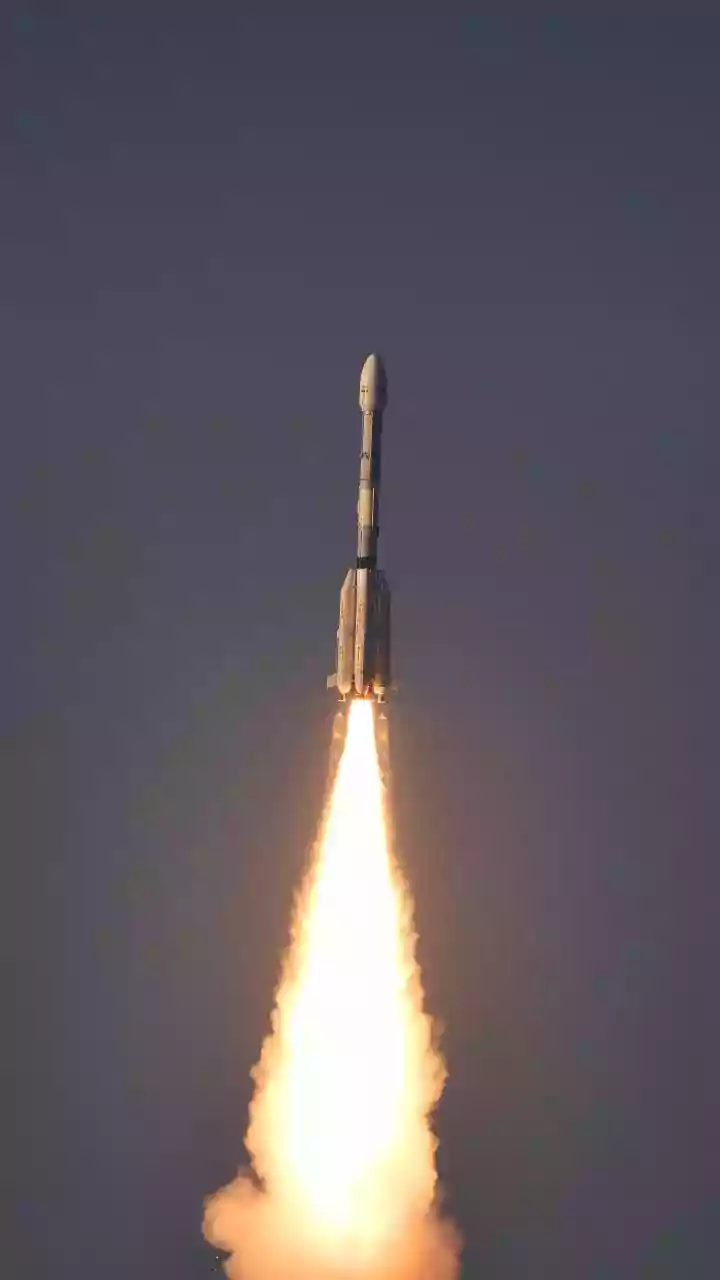
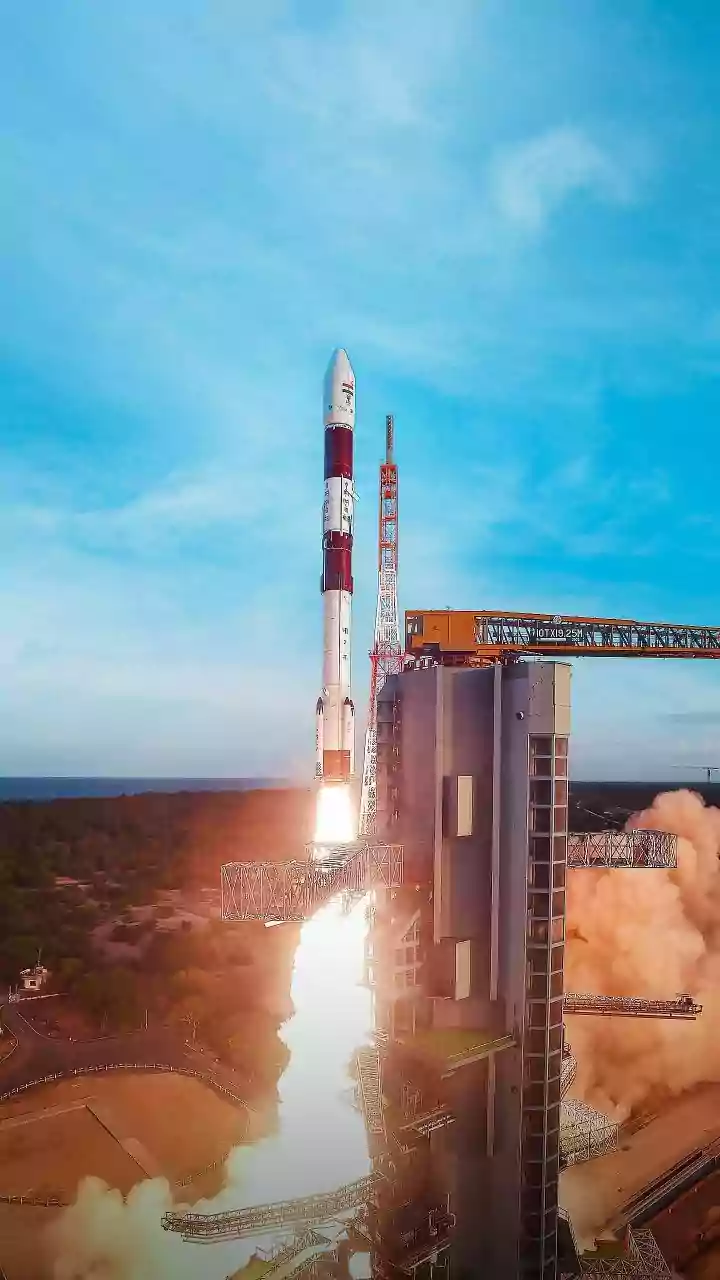
The successful orbital launch of Vikram-1 on July 18, 2026, dubbed 'Mission Aagaman' or 'Arrival', was a watershed moment. It made India only the third nation, after the US and China, with a private company capable of reaching orbit. But for Hyderabad-based
Skyroot, this historic first flight was just the beginning. The company's leadership immediately pivoted from the celebration to the challenge of execution. CEO Pawan Kumar Chandana confirmed the goal is to build the capacity for one launch a month by sometime next year, a clear sign of the company's intent to industrialise its operations. This marks a critical transition from proving a concept to building a reliable, high-frequency space logistics service.
The Vikram-1 Workhorse
Central to this plan is the Vikram-1 rocket, designed to be the company's workhorse for the small satellite market. It is a four-stage vehicle capable of delivering up to 350 kilograms to low Earth orbit, an ideal capacity for the booming global small-satellite industry. Vikram-1 is not just functional but also innovative, featuring an all-carbon composite structure for lower weight and 3D-printed engines for faster, more efficient manufacturing. This design philosophy is geared toward rapid production and on-demand service, which Skyroot compares to a 'cab service' for space, allowing customers to book their specific orbital destination and schedule.
Building the Rocket Factory
Achieving a monthly launch cadence isn't just about having a great rocket; it requires a robust manufacturing and logistics backbone. A single successful launch proves technical capability, but consistent, repeatable launches are what build a business. Skyroot has already made significant investments in this area. According to its CEO, the company has a factory in Hyderabad with the existing capability to produce one rocket a month, though it is not yet operating at that full capacity. Scaling up production at its facilities is now the immediate priority, shifting the company’s focus from pure engineering challenges to the discipline of manufacturing quality, supply chain management, and operational efficiency.
A New Orbit for Indian Space
Skyroot's ambition is unfolding within a rapidly changing national context. The Indian government's decision to open the space sector to private participation in 2020 has been a game-changer. The establishment of IN-SPACe as a facilitator and regulator has streamlined access to ISRO’s testing facilities and expertise, proving crucial for startups. The result has been explosive growth, with India's space startup ecosystem ballooning from just a handful of companies to over 450 in a few years. The nation's space economy is projected to grow from around $8.4 billion to $44 billion by 2033, and Skyroot's operational shift positions it to capture a significant share of this expanding market.
The Hurdles on the Pad
The path from a single successful flight to a monthly launch schedule is strewn with challenges. While the Vikram-1's maiden success instills immense confidence in potential customers, the next test is one of reliability and consistency. The company must prove it can mass-produce rockets without compromising on quality, navigate regulatory approvals for each mission, and manage a complex global supply chain. Furthermore, while the demand for small satellite launches is high, Skyroot will face stiff competition from established international players like Rocket Lab and a growing number of domestic rivals like Agnikul Cosmos. Proving commercial viability will depend on competitive pricing, schedule reliability, and flawless execution in the missions to come.