








The Science of the Problem
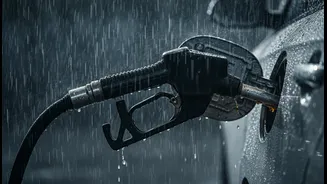
The heart of the issue lies in a simple chemical property: ethanol is 'hygroscopic,' meaning it attracts and absorbs water from the environment. In the high humidity of the monsoon, and with the potential for rainwater to seep into storage tanks, this
property becomes a significant challenge. According to industry experts, when the water content in E20 fuel stored in underground tanks exceeds just 0.5%, a process called 'phase separation' can occur. This is where the ethanol binds with the water, forming a distinct layer that settles at the bottom of the tank, leaving a layer of lower-octane petrol floating above.
Risks at the Pump and on the Road
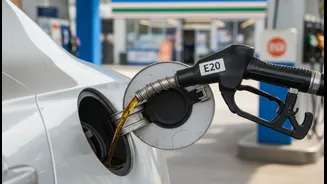
This separation creates a direct risk for consumers. Since fuel pumps draw from the bottom of storage tanks, a vehicle could inadvertently be filled with the unusable water-ethanol mixture instead of petrol. The results are predictable and frustrating: engines that refuse to start or vehicles that break down shortly after refuelling. Petrol pump owners across the country, particularly in coastal areas with high humidity and sub-soil water levels, have flagged this as a growing concern. They report that the existing infrastructure, primarily designed for older, non-blended fuels, is being put under strain.
The View From the Forecourt
For fuel station operators, the monsoon has brought a new, rigorous routine. Many have been instructed to check their underground tanks for water contamination multiple times a day, with frequency increasing to once every two hours during heavy rains. This is often done using a simple dipstick coated with a water-finding paste. If contamination is found, the oil marketing company (OMC) is notified to drain the water. However, dealers bear the financial brunt of any fuel that must be discarded, with some reporting losses of hundreds or even thousands of litres.
Industry and Government Response
In response to these emerging issues, India’s major OMCs—like IOCL, BPCL, and HPCL—have intensified their quality control measures, including conducting thousands of surprise inspections at retail outlets. The government and associated bodies maintain that ethanol's properties are well-known and have been accounted for in the Bureau of Indian Standards (BIS) specifications for E20 fuel, as well as in modern vehicle design. Officials have stated that the rollout was preceded by extensive testing and consultation with automakers, and they have not seen evidence of widespread vehicle failures linked to E20. However, for now, offering consumers a choice between E10 and E20 is considered logistically unfeasible due to the complexity of maintaining separate supply chains.
A Motorist’s Monsoon Guide to E20
While authorities work to manage the situation, vehicle owners can take several proactive steps to minimise risks during the monsoon. First, try to refuel at busy, high-volume petrol pumps where fuel is replenished frequently, reducing the chance of it sitting for long periods and absorbing moisture. Keeping your fuel tank at least half-full can also help by minimising the air space where condensation can form. It's also wise to ensure your vehicle's fuel cap provides a tight seal and to be cautious during high-pressure washing to prevent water ingress. Regular servicing, especially of the fuel filter, becomes even more important to catch any potential contaminants before they reach the engine.