





The Promise of a Perfect Menu
For restaurant owners, especially small, local ones, the allure of AI is undeniable. The technology promises to streamline one of the most crucial and time-consuming tasks: creating the menu. AI-powered tools can analyze sales data, predict trends, and suggest
high-profit items, effectively turning menu design into a science. These systems can generate mouth-watering dish descriptions, recommend pricing strategies, and even create layouts designed to guide the customer's eye towards specific offerings. The benefits extend beyond the page, with AI assisting in inventory management and reducing food waste by forecasting demand. For a sector operating on thin margins, the promise of saving time and increasing profitability through data-driven decisions is a powerful incentive. Furthermore, AI can personalize the digital dining experience, tailoring recommendations to past orders or dietary needs, a feat difficult to achieve with a static, printed menu.
A Restaurant's Soul on Paper
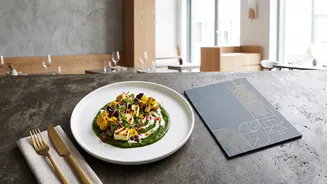
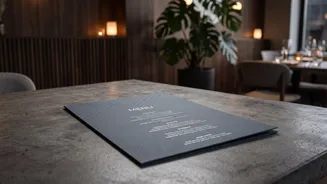
However, a menu is fundamentally a restaurant's most important marketing tool and a direct reflection of its brand identity. It’s where a chef’s philosophy, a commitment to local suppliers, and the establishment's unique personality are communicated to the diner. Think of the hand-drawn illustrations at a quirky neighbourhood cafe or the elegant, minimalist card at a fine-dining spot. These details tell a story and build an emotional connection with the customer before they even take a bite. Critics of AI-generated content worry that this human touch gets lost in the algorithm. While efficient, AI can produce generic or soulless text that lacks the specific voice and charm of a beloved local spot. The fear is that in the pursuit of optimization, restaurants risk sanding down their unique edges, creating a sea of sameness that prioritizes profit over personality.
When Seeing Isn't Believing
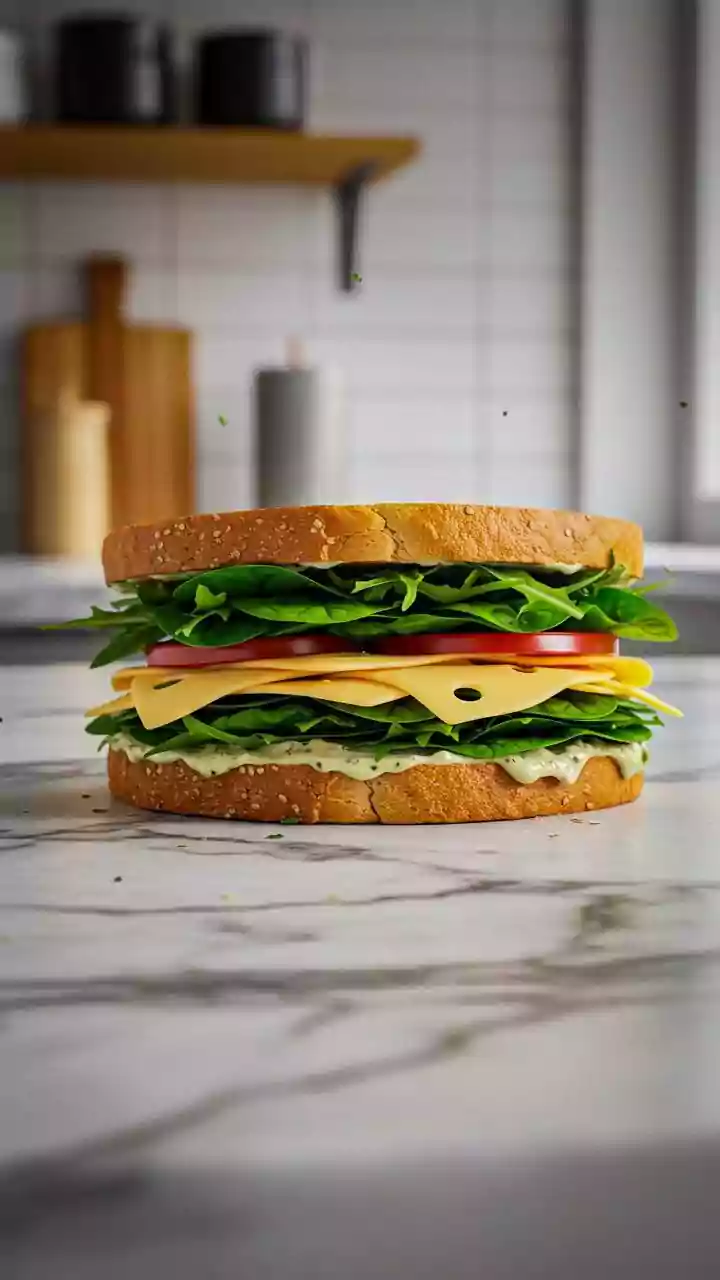
The use of AI extends to menu imagery, and here the risks to a restaurant's identity become even more pronounced. AI image generators can create stunning, hyper-realistic photos of food, saving owners the significant cost of professional food photography. However, this has led to a growing problem of what some diners call “fake food” on menus. Customers are encountering images of dishes that look uncannily perfect but bear little resemblance to what is actually served, leading to disappointment and a breakdown of trust. One viral social media post highlighted AI-generated barbecue that looked like “leather belts crawling with tiny beetles.” When the image on the menu is a fantasy, customers can feel misled, and that suspicion can extend to the quality of the ingredients and the honesty of the entire operation. This is a critical issue for local restaurants, whose businesses are built on reputation and authenticity.
A Tool, Not a Storyteller
The most thoughtful approach seems to lie in using AI as a powerful assistant rather than a full-blown replacement for human creativity. A chef can use an AI tool to brainstorm seasonal dish ideas based on emerging ingredient trends or to analyze sales data to see which items are underperforming. AI can help generate a baseline for a menu description, which the owner can then infuse with their unique voice and story. Similarly, AI can be used to generate concept images for internal planning before a real photoshoot. In this model, the technology handles the data-crunching and initial grunt work, freeing up the restaurateur to focus on what humans do best: storytelling, tasting, and creating a genuine experience. It keeps the human element at the core of the restaurant’s identity while still benefiting from the efficiency that technology offers.
The Diner's Verdict
Ultimately, the success of this technological shift will be determined by the customer. Surveys show that diners have mixed feelings. While many are comfortable with AI in ordering kiosks for the sake of speed and accuracy, they are also wary. A significant number of consumers report they wouldn't trust AI to handle food allergies, and many feel it is important for restaurants to be transparent about which parts of their service involve AI. For many, the appeal of a local restaurant lies in its authenticity and the human connection. A generic, AI-optimized menu might feel efficient, but it could also feel impersonal, undermining the very reason they chose a neighbourhood spot over a large chain. As one recent social media comment section revealed, many customers would rather see a real photo of the actual food than a polished but fake AI image.