


The Contenders: Ancient Millet vs. Sacred Seed
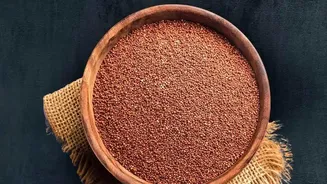
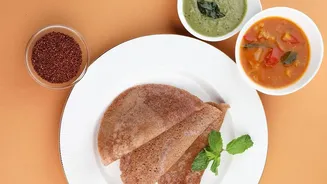
Ragi, also known as finger millet, is an ancient grain that has been a staple in Indian and African diets for thousands of years. Recognised for its resilience in harsh climates, this reddish-brown millet is a cornerstone of traditional cuisine, used
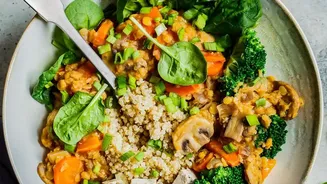
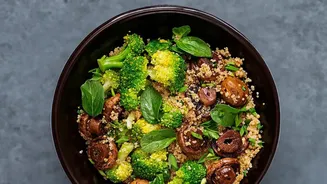
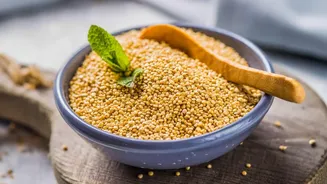
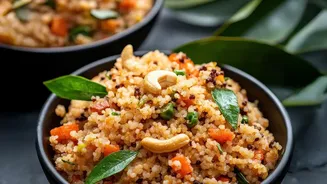
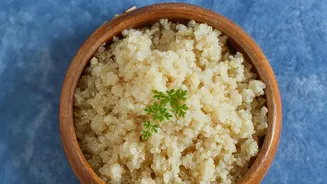
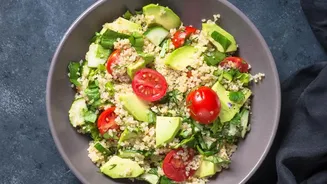
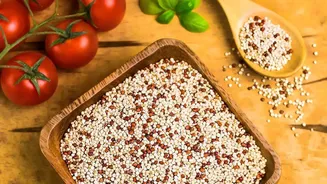
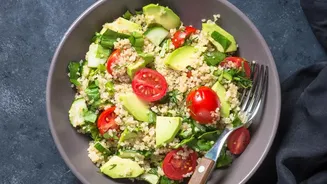
in everything from rotis and dosas to porridges. On the other side is Quinoa, a seed from South America that is consumed like a grain. Dubbed 'the mother of all grains' by the Incas, its popularity has surged globally in recent years, celebrated for its impressive nutrient profile and versatility in modern dishes like salads and grain bowls.
Protein Punch: Complete vs. Complementary
Quinoa's biggest claim to fame is that it's a 'complete protein', meaning it contains all nine essential amino acids our bodies can't produce on their own. A 100-gram serving of uncooked quinoa offers around 13-14 grams of protein. Ragi contains about 7-8 grams of protein per 100 grams. While not a complete protein on its own (it's low in the amino acid lysine), this is easily solved in a typical Indian diet. Pairing ragi with dal, sambar, or curd creates a complete amino acid profile, a combination that has been traditionally practiced for centuries.
The Calcium King: Ragi’s Unmatched Strength
When it comes to bone health, Ragi is the undisputed champion. It is one of the richest plant-based sources of calcium, boasting an extraordinary 344-364 mg per 100 grams. This is nearly seven times more calcium than quinoa provides and almost three times as much as milk per equivalent serving. For Indian diets, where calcium deficiency can be a concern, Ragi offers a significant advantage that the otherwise nutritious quinoa, with its 47-198 mg of calcium, simply cannot match.
Micronutrient Breakdown: Minerals and Vitamins
Beyond calcium, both grains offer a wealth of micronutrients. Ragi is a strong source of iron and has more magnesium, copper and selenium than quinoa. Its high iron content makes it beneficial in combating anemia. Quinoa, however, shines in other areas. It generally has more iron, zinc, potassium, and is significantly richer in folate and vitamins like B1, B6, and E. The choice here depends on your specific nutritional goals; if bone-strengthening calcium is a priority, ragi wins, but for a broader vitamin and amino acid boost, quinoa has an edge.
Fibre, Digestion, and Blood Sugar Control
Both grains are excellent sources of dietary fibre, which is crucial for digestive health, promoting fullness, and managing blood sugar levels. Ragi often contains slightly more fibre than quinoa. Both have a low glycemic index (GI), meaning they release sugar into the bloodstream slowly, preventing sharp spikes. This makes both ragi and quinoa suitable choices for individuals managing diabetes or focusing on weight management.
The Price Tag: Local vs. Imported
For many Indian households, this is the deciding factor. Ragi is a locally grown crop, making it widely available and highly affordable. Depending on the region, it can cost between ₹60 and ₹120 per kilogram. Quinoa, on the other hand, is mostly imported from South America. This adds import duties, shipping, and marketing costs, pushing its price to anywhere from ₹350 to ₹800 per kilogram. From a budget perspective, ragi is the far more sustainable and economical choice for daily consumption.