







The Comfort of a Kitchen Remedy
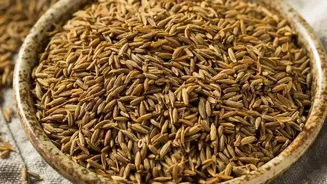
Caraway seeds, often known as 'Shah Jeera' or 'Siya Jeera' in India, have long been a staple in traditional medicine and cooking. They are distinct from the more common cumin (jeera) and ajwain (carom seeds), though all are praised for their digestive
benefits. For generations, brewing these seeds in hot water has been a go-to solution for easing digestive discomfort. The resulting caraway water is a simple, gentle concoction believed to soothe the stomach after a heavy meal or during a bout of indigestion. Its popularity lies in its accessibility and the long-held cultural trust in kitchen-based wellness practices passed down through families.
The Science Behind the Soothing
The traditional faith in caraway isn't without a scientific basis. The seeds are rich in essential oils, primarily carvone and limonene. These compounds are known for their carminative properties, which means they help prevent the formation of gas in the gastrointestinal tract and facilitate its expulsion. Studies suggest that these oils can help relax the smooth muscles of the intestine, which may reduce the painful spasms and cramping that often accompany bloating. Research has also shown that a combination of caraway oil and peppermint oil can be effective in treating symptoms of functional dyspepsia (indigestion) and Irritable Bowel Syndrome (IBS). This confirms that caraway’s power to ease an upset stomach is a real physiological effect.
A Tool for Occasional Bloating
It's crucial to understand where caraway water fits into your wellness toolkit. It is an excellent remedy for temporary, situational bloating. This is the kind of discomfort that follows an unusually large or spicy meal, eating too quickly, or consuming known gas-producing foods like beans and cabbage. In these instances, the gas and bloating are a normal, temporary part of digestion. A warm cup of caraway tea can help your system settle down and provide quick relief from that feeling of fullness and pressure. Think of it as a helpful aid for predictable digestive hiccups, not a cure for an underlying condition.
When 'Persistent' Is a Red Flag
The key word in the headline is 'persistent'. Occasional bloating resolves within a few hours or a day. Persistent bloating is different. It means the symptom occurs frequently, lasts for days at a time, doesn't improve with simple remedies, or significantly impacts your daily life. Relying solely on caraway water in such cases is like turning off a smoke alarm without looking for the fire. Chronic bloating is not a disease in itself but a symptom, and it can be your body’s way of signalling that something more is going on beneath the surface. Masking this signal with a home remedy can delay a necessary and potentially critical diagnosis.
What Chronic Bloating Could Mean
Persistent bloating can stem from a variety of manageable to more serious health conditions. Common culprits include Irritable Bowel Syndrome (IBS), Small Intestinal Bacterial Overgrowth (SIBO), food intolerances (like lactose or gluten), and gastroparesis (delayed stomach emptying). These conditions require specific diagnostic tests and tailored management plans that go far beyond a simple herbal tea. In some cases, chronic bloating could also point to Inflammatory Bowel Disease (IBD), celiac disease, or, less commonly, issues with the liver or even certain types of cancer. The goal is not to cause alarm, but to underscore that a recurring symptom warrants a professional evaluation to rule out or identify these underlying causes.
When to See Your Doctor
It’s time to consult a healthcare professional if your bloating is chronic and accompanied by other 'red flag' symptoms. Be sure to book an appointment if you experience bloating along with severe or persistent abdominal pain, unexplained weight loss, changes in bowel habits (like new constipation or diarrhea), loss of appetite, or blood in your stool. When you see your doctor, be prepared to describe the frequency and duration of your bloating, any known food triggers, and all other symptoms you're experiencing. This information is vital for helping your doctor make an accurate diagnosis and create an effective treatment plan.