






Fatty Fish
Oily fish like salmon, mackerel, and sardines are consistently praised for their joint-protecting benefits. They are rich sources of omega-3 fatty acids, specifically EPA and DHA, which are known for their potent anti-inflammatory effects. These healthy
fats work by helping to reduce the body's production of inflammatory molecules called cytokines. Studies have shown that regular consumption of omega-3s can lead to less joint pain, reduced morning stiffness, and improved mobility for individuals with both osteoarthritis and rheumatoid arthritis. Aiming for at least two servings of fatty fish per week can help you harness these benefits.
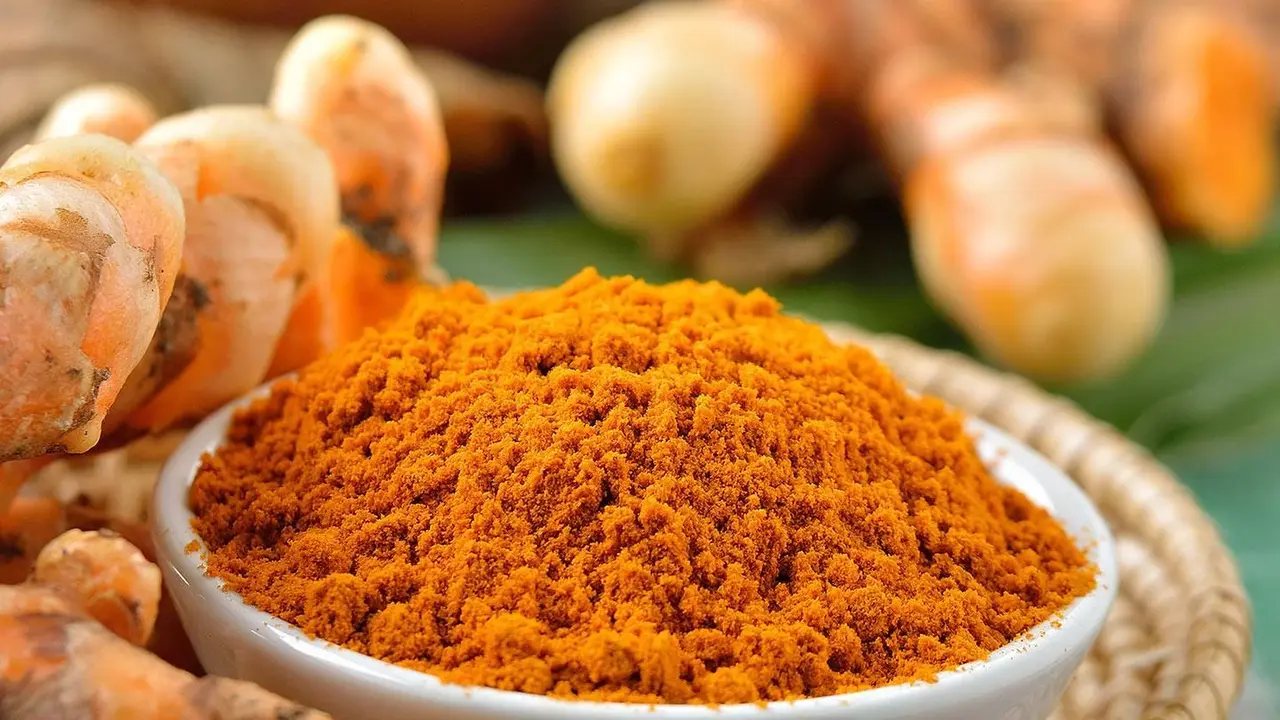
Turmeric
This vibrant yellow spice, a staple in Indian kitchens, contains a powerful compound called curcumin. Curcumin is a natural anti-inflammatory and antioxidant that has been studied extensively for its role in managing joint pain. Research suggests that curcumin can be effective in reducing the pain and stiffness associated with osteoarthritis, with some studies finding its effects comparable to over-the-counter anti-inflammatory drugs. The challenge with curcumin is that it's not easily absorbed by the body. Pairing it with black pepper, which contains a compound called piperine, can significantly enhance its absorption. Adding a pinch of black pepper to your turmeric-infused dishes is a simple way to boost its potential benefits.
Berries and Cherries
Colourful fruits like blueberries, strawberries, raspberries, and cherries are more than just a sweet treat. They are loaded with antioxidants, particularly a type called anthocyanins, which give them their rich red and purple hues. Anthocyanins have powerful anti-inflammatory properties that help protect your joints from the stress caused by inflammation. Research indicates that these compounds may help reduce joint pain and stiffness. Whether fresh or frozen, incorporating a variety of berries into your breakfast cereal, yogurt, or smoothies is an easy and delicious way to support your joint health.
Leafy Green Vegetables
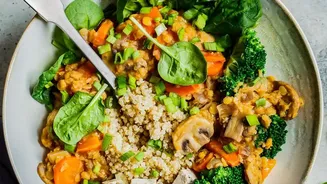
Vegetables like spinach, kale, and others in the brassica family (such as arugula and purple cabbage) are nutritional powerhouses. They are packed with antioxidants and vitamins that combat cellular stress. Some of these vegetables, like broccoli and cabbage, contain a compound called sulforaphane, which research suggests may help block the formation of cells that contribute to rheumatoid arthritis. Additionally, their high fibre content and nutrient density contribute to overall wellness and can aid in maintaining a healthy weight, which reduces stress on weight-bearing joints like the knees and hips.
Nuts and Seeds
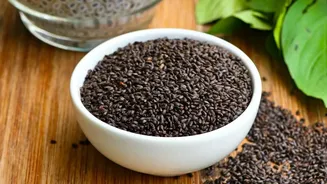
For a plant-based source of anti-inflammatory power, look no further than nuts and seeds. Walnuts, chia seeds, and flaxseeds are particularly high in alpha-linolenic acid (ALA), a type of omega-3 fatty acid. While the body converts ALA to the more potent EPA and DHA less efficiently, it still contributes to reducing overall inflammation. Nuts are nutrient-dense, providing magnesium and other joint-supporting minerals. A small handful of walnuts or a spoonful of chia seeds in your daily diet can provide a welcome crunch and a dose of healthy fats to help soothe your joints.
Extra Virgin Olive Oil
Making the switch to extra virgin olive oil could offer significant joint benefits. This oil contains a compound called oleocanthal, which has been shown to have anti-inflammatory properties similar to those of ibuprofen. This compound can help reduce joint swelling and may protect cartilage from breaking down. Using extra virgin olive oil in salad dressings or for drizzling over cooked vegetables is preferable to cooking at very high heat, as this helps preserve its beneficial compounds. Unlike oils such as sunflower and peanut oil, which can potentially increase inflammation, extra virgin olive oil is a healthier choice for your joints.